Homemade Almond Milk Recipe
Picture this: a creamy, velvety pour of fresh almond milk cascading into your favorite glass—its gentle nutty aroma instantly warming your soul. Making your own almond milk at home is a hands-on, comforting process that connects you with the wholesome goodness of nature. There’s something magical about soaking those almonds overnight and then blending them into a luscious, dairy-free delight that’s as pure as it is nourishing. This Homemade Almond Milk Recipe is simple, rewarding, and flawlessly fresh—plus, it lets you skip preservatives and additives, making it a wonderful choice for your daily routine.
Why You’ll Love This Homemade Almond Milk Recipe
- Quick and Easy: Active prep time is just about 10 minutes, making it perfect for those who want freshness without fuss.
- Simple Ingredients: Only a handful of natural pantry staples including almonds, water, and a touch of maple syrup if you like a hint of sweetness.
- Waste Nothing: Leftover almond pulp can be reused in recipes like energy balls or porridge, meaning zero waste!
- Customizable Flavor: Inspired to get creative? Add spices like cinnamon or cardamom for your personal twist.
- Healthy and Nourishing: A wholesome, dairy-free alternative that’s gentle on digestion and deliciously satisfying.
Why This Homemade Almond Milk Recipe Works
This Homemade Almond Milk Recipe shines because it uses a simple soaking technique that unlocks the almonds’ natural creaminess and makes them easier to blend. Soaking softens the nuts, which means you end up with a smoother, creamier milk with less grit. Additionally, using a finely woven nutmilk bag or muslin cloth to strain ensures every drop of that luscious liquid is captured, leaving just the perfect amount of pulp behind. The optional maple syrup is a gentle enhancer that brightens the flavor without overpowering the natural nuttiness. These little steps add up to a refreshingly pure milk that’s better than store-bought and tailored to your liking.
Ingredients You’ll Need
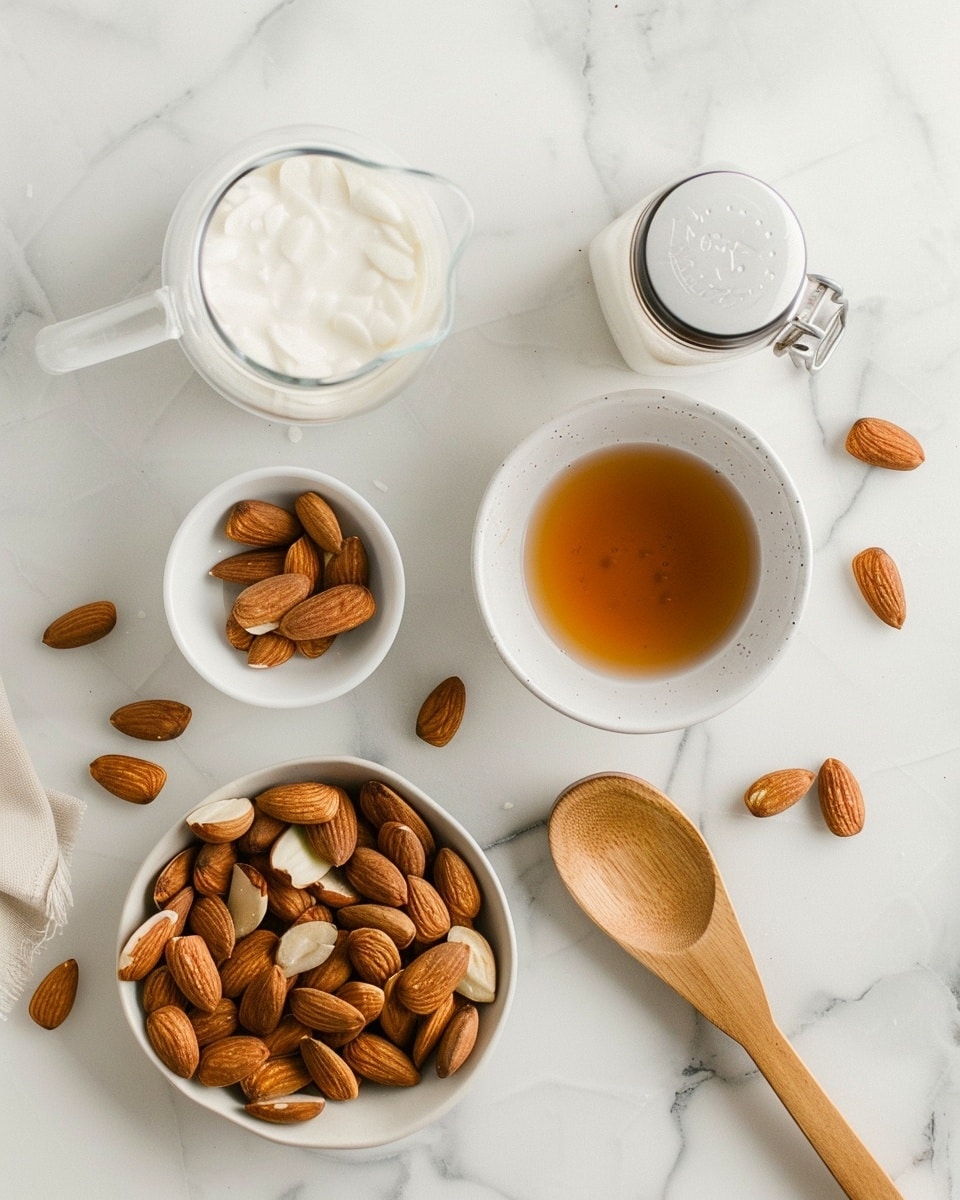
Just a few simple, natural ingredients come together to make this delicious homemade almond milk. Each one plays an essential role in creating the perfect balance of flavor and texture.
- 1 cup almonds: The star of the show providing rich, nutty flavor and creamy texture.
- 4 cups fresh water: The perfect ratio for smooth, light almond milk.
- 1 tsp maple syrup (optional): Adds a subtle natural sweetness without overwhelming the pure nut flavor.
Ingredient Substitutions & Tips
- Almonds: Try raw cashews or hemp seeds as alternatives for different flavors and textures.
- Maple syrup: Substitute with agave nectar, honey (if not strictly vegan), or a couple of dates blended in.
- Water: For a creamier texture, replace part of the water with coconut water or chilled brewed herbal tea.
- Nutmilk bag/muslin cloth: Use a fine mesh strainer lined with cheesecloth if you don’t have a nutmilk bag on hand.
👨🍳 Pro Tips for Perfect Results
- Soak almonds overnight: Softening allows easier blending and creamier milk.
- Use fresh, filtered water: It greatly improves the taste and clarity of your almond milk.
- Blend thoroughly: Blend for at least 1-2 minutes for silky smooth texture.
- Squeeze fully: Don’t rush the straining—press out every drop for maximum yield.
- Shake before serving: Homemade almond milk separates naturally, so give it a good shake to blend back together.
How to Make Homemade Almond Milk Recipe
Step 1: Soak Your Almonds
Place 1 cup of raw almonds in a bowl and cover them with plenty of water. Let them soak overnight, or for at least 8 hours. This softens the almonds, making them easier to blend and unlocking the natural creaminess you want in your milk.
💡 Pro Tip: Soaking also neutralizes enzyme inhibitors and phytic acid, making the almonds easier on your digestion.
Step 2: Drain and Rinse
The next day, drain the soaking water and give the almonds a thorough rinse under cold water. This removes any residue or bitterness from soaking, leaving your almonds fresh and ready.
💡 Pro Tip: Use fresh filtered water to rinse for the cleanest taste.
Step 3: Blend the Almonds
Place the soaked almonds into a high-speed blender and add 4 cups of fresh water. Blend on high for 1-2 minutes until the mixture is smooth and creamy. You’ll notice a thick, luscious liquid beginning to form.
💡 Pro Tip: If your blender struggles, blend in batches or add water in increments to help it along.
Step 4: Strain the Milk
Pour the almond mixture through a nutmilk bag or muslin cloth over a large bowl. Gather the edges and gently squeeze to extract every drop of that silky almond milk.
💡 Pro Tip: Take your time here—the more you extract, the more flavorful milk you get while leaving the pulp dry and ready for reuse.
Step 5: Sweeten and Store
If you like, stir in 1 teaspoon of maple syrup or your preferred sweetener. This step is completely optional but adds a beautiful hint of warmth. Pour your freshly made almond milk into an airtight jar and pop it into the fridge.
💡 Pro Tip: Shake well before serving as separation is natural and expected.
Common Mistakes to Avoid
Learn from these common pitfalls:
- Using roasted or salted almonds: These can alter the flavor and texture of your milk negatively.
- Not soaking long enough: Leads to grainy, less creamy milk and tougher blending.
- Rushing the straining process: Not squeezing the mixture fully wastes milk and flavor.
- Skipping rinsing: That soaking water contains bitterness and should be discarded to maintain smooth taste.
- Over-blending: While blending is needed, too long can add heat which may compromise fresh flavors.
- Improper storage: Leaving milk at room temperature or uncovered leads to spoilage faster than stored properly.
Delicious Variations to Try
Once you’ve mastered the classic version:
Saffron and Cardamom Almond Milk
Add a few threads of saffron and a pinch of ground cardamom when blending for an exotic fragrant twist that’s perfect for cozy evenings.
Cinnamon Vanilla Almond Milk
Blend in ½ teaspoon of cinnamon and a splash of pure vanilla extract to awaken warm comforting flavors reminiscent of your favorite autumn treats.
Chocolate Almond Milk
Mix in a tablespoon of unsweetened cocoa powder and sweeten as desired for a decadent, guilt-free indulgence that kids and adults adore alike.
Turmeric Golden Almond Milk
Add a teaspoon of turmeric powder with a pinch of black pepper for a vibrant golden milk packed with anti-inflammatory goodness — perfect for winding down.
Plain and Simple
Sometimes the best way to enjoy this Homemade Almond Milk Recipe is to keep it pure and fresh, appreciating the nutty every-day goodness.
How to Serve Homemade Almond Milk Recipe
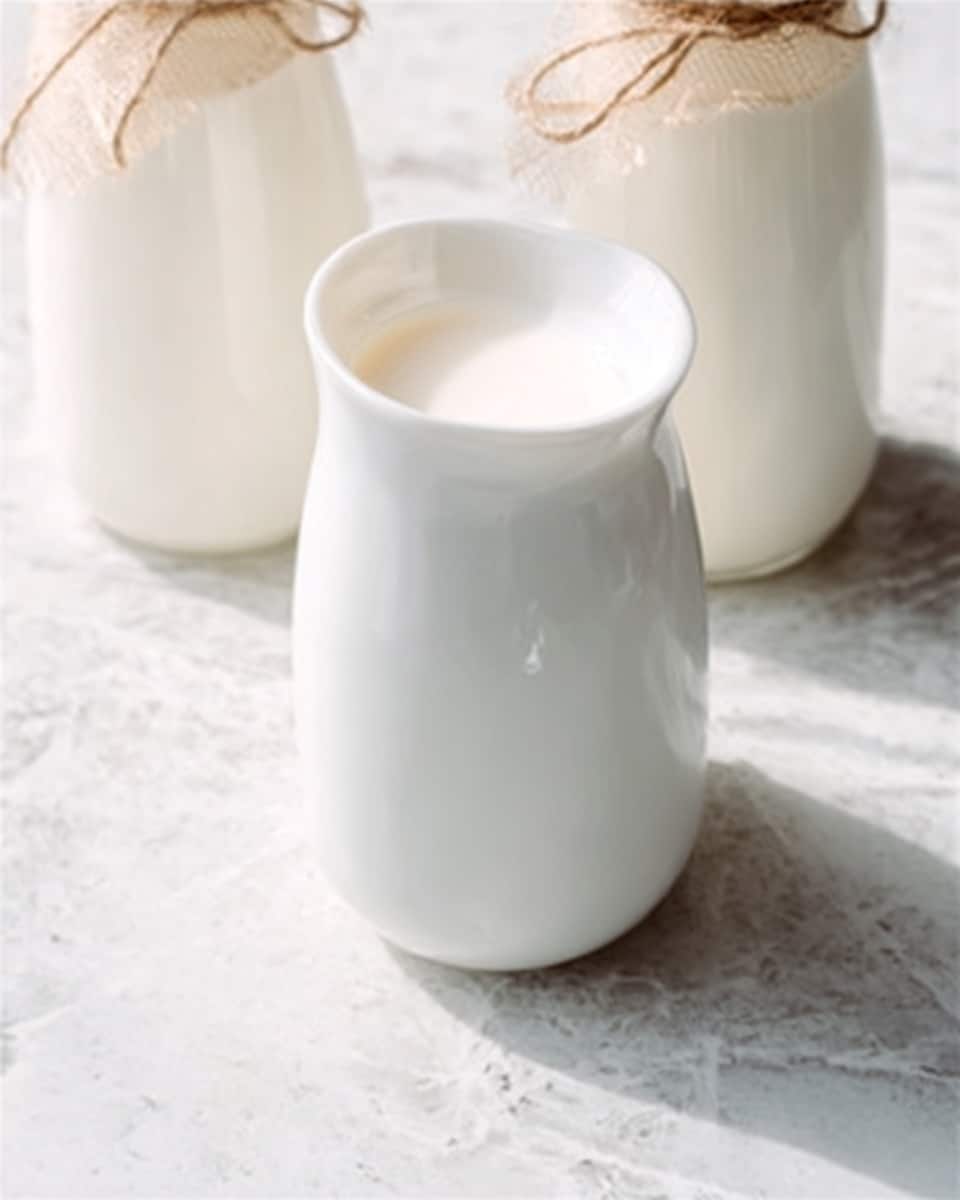
Garnishes
Sprinkle a dash of cinnamon, nutmeg, or a few crushed almond pieces on top. Freshly grated nutmeg brings a warm spice that elevates each sip.
Side Dishes
Pair your almond milk with hearty oatmeal, chia pudding, fresh fruit bowls, or your favorite freshly baked pastries for a wholesome breakfast experience.
Creative Ways to Present
Serve chilled in mason jars with colorful paper straws for a casual feel. Or warm it gently and pour into mugs for a cozy nightcap paired with cardamom-spiced cookies.
Make Ahead and Storage
Storing Leftovers
Homemade almond milk keeps fresh in the refrigerator for up to 3 days in an airtight container. Always give it a good shake before pouring, as natural separation occurs.
Freezing
While not ideal for drinking straight, you can freeze almond milk in ice cube trays to add to smoothies, coffee, or cooking for a flavorful boost.
Reheating
If you like your almond milk warm, gently heat it on the stove or in the microwave, stirring occasionally and avoiding boiling which can alter taste.
FAQs
Can I use roasted almonds to make almond milk?
It is best to use raw, unsalted almonds because roasted almonds can give a bitter flavor and mess with the creaminess of your milk.
How long does homemade almond milk last?
Stored properly in the fridge, your almond milk will stay fresh for about 3 days. Always shake before use due to natural separation.
What can I do with the leftover almond pulp?
Don’t throw it away! Use the pulp in baking recipes, add it to smoothies, mix it into oatmeal, or make energy balls for zero waste.
Is maple syrup necessary?
Nope! Maple syrup is totally optional. Use it if you want a touch of sweetness but the almond milk tastes delightful on its own.
Can I skip soaking the almonds?
Soaking softens the nuts and enhances digestibility and texture. Skipping it will yield rougher milk and may be harder to blend.
What’s the best way to strain almond milk?
A nutmilk bag or muslin cloth is ideal for smooth, pulp-free milk. A fine mesh strainer lined with cheesecloth also works well if that’s what you have on hand.
Can I add flavors during the blending process?
Absolutely! Feel free to toss in spices like cinnamon, cardamom, vanilla, or even a pinch of saffron to infuse your milk with delightful variations.
Is homemade almond milk good for everyone?
Generally yes, but if you have a nut allergy, it’s best to avoid almond milk. For others, it’s a wonderful dairy-free milk alternative full of nourishing benefits.
Final Thoughts
Making your own almond milk feels like a small act of self-care that fills your kitchen with warmth, simplicity, and wholesome flavor. This Homemade Almond Milk Recipe is more than just a dairy alternative; it’s a ritual that invites you to slow down, savor the process, and enjoy pure, fresh goodness every single day. Whether kept plain or dressed up with spices and sweeteners, this almond milk brings a nourishing touch to your morning coffee, smoothies, or bowls of porridge.
Have you tried this Homemade Almond Milk Recipe? I’d love to hear how it turned out! Leave a comment below. If you loved this recipe, please share it with friends and family. Happy cooking! 😊
PrintHomemade Almond Milk Recipe
A quick and easy homemade almond milk recipe that offers a fresh, dairy-free alternative you can make in minutes. Perfect for those seeking a natural, plant-based milk option with customizable sweetness and flavor. Ideal for drinking on its own or adding to smoothies, porridge, and tea.
- Prep Time: 10 minutes
- Cook Time: 0 minutes
- Total Time: 8 hours 10 minutes
- Yield: Approximately 4 cups of almond milk 1x
- Category: Beverage
- Method: Blending
- Cuisine: Vegan
- Diet: Vegan
Ingredients
Almond Milk Ingredients
- 1 cup almonds
- 4 cups fresh water
- 1 tsp maple syrup (optional, to sweeten to taste)
Instructions
- Soak Almonds: Soak the almonds in water overnight, allowing them to soften and activate for better blending and digestion.
- Drain and Rinse: The following day, drain the soaking water, rinse the almonds thoroughly under fresh water, and discard the soaking water to remove any impurities and bitterness.
- Blend: In a blender, combine the rinsed almonds with 4 cups of fresh water. Blend on high speed for 1 to 2 minutes until the almonds are finely ground and the mixture looks milky and smooth.
- Strain: Pour the blended mixture through a nut milk bag or a muslin cloth. Squeeze well to extract as much liquid as possible, leaving behind the almond pulp.
- Add Sweetener (Optional): Stir in maple syrup or other sweeteners or spices if desired. This adds a touch of sweetness and flavor tailored to your liking.
- Store: Transfer the almond milk into an airtight jar and store it in the refrigerator. Shake well before each use as natural separation may occur.
Notes
- Enjoy almond milk on its own or add it to smoothies, porridge, or tea.
- The leftover almond pulp can be used in porridge, energy balls, or baking to avoid waste.
- Both the almond milk and leftover pulp can be stored in the fridge for up to 3 days.
- Try adding flavors such as saffron, cardamom, or cinnamon for a unique twist.
- Shake the almond milk before serving to recombine any separated liquid.
Keywords: almond milk, dairy-free milk, homemade almond milk, vegan milk, plant-based milk, nut milk, natural sweetener