Perfect Pavlova Recipe
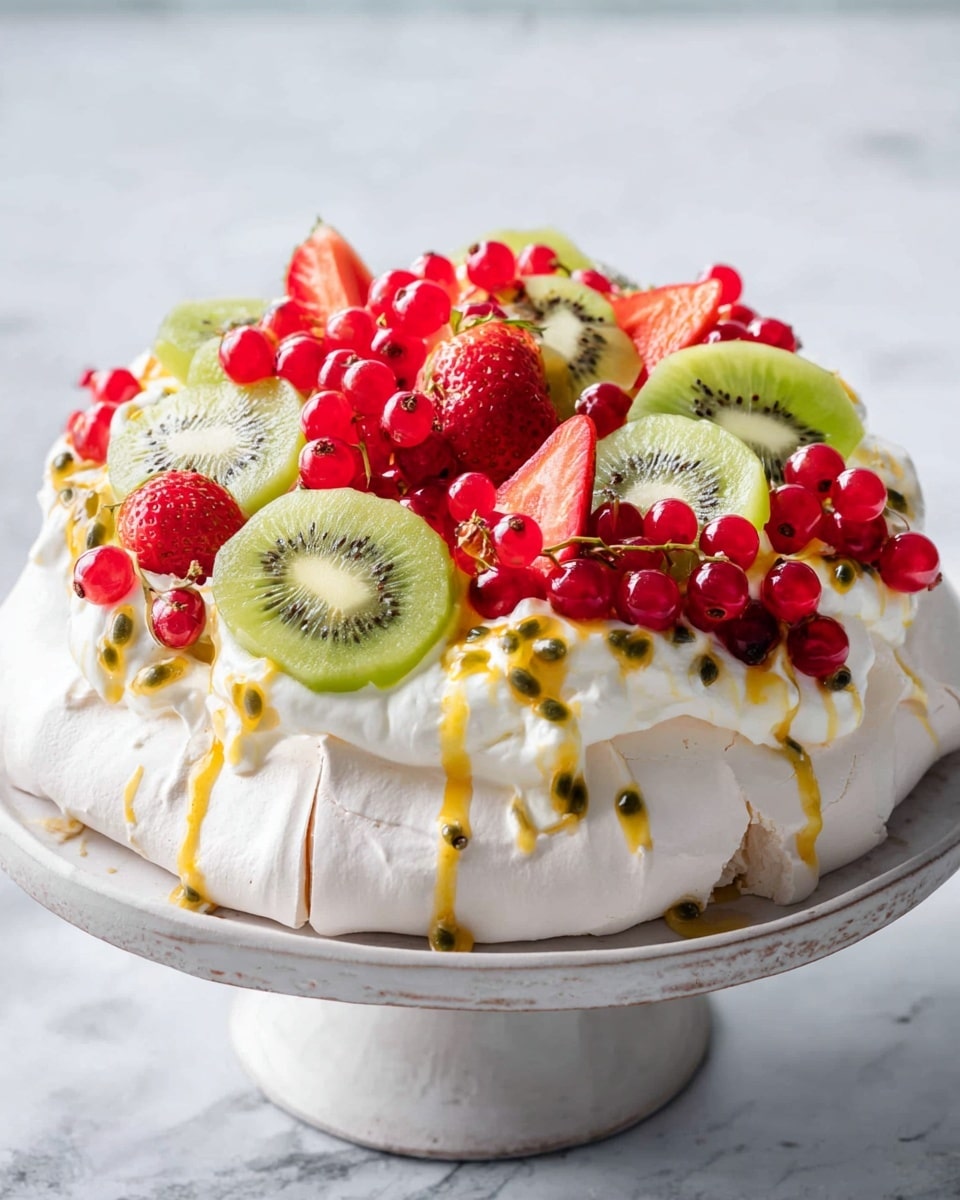
Picture this: a delicate cloud of crisp, ivory meringue with a marshmallow-soft heart, crowned with a luscious swirl of whipped cream and vibrant, jewel-toned fruits bursting with freshness. The scent of sweet vanilla and a hint of zesty lemon fills your kitchen, wrapping you in a warm embrace of comfort and anticipation. This Perfect Pavlova Recipe isn’t just a dessert; it’s a celebration on a plate—quick to prepare, stunning to serve, and utterly irresistible to devour.
Why You’ll Love This Perfect Pavlova Recipe
- Ready in under two hours: Yes, you heard that right—excluding the cooling time, this show-stopping dessert comes together swiftly, perfect for last-minute occasions or spontaneous celebrations.
- Uses simple, wholesome ingredients: Just eggs, sugar, cream, and fresh fruit—you likely have most of these staples on hand, making baking both easy and budget-friendly.
- Perfect for beginners: With clear, step-by-step guidance and clever tips, even if it’s your first time with meringue, you’ll feel like a pro whisking up magic.
- Impressive presentation: This pavlova looks professionally crafted—think glossy, glossy peaks and a vibrant colorful crown that’s sure to make guests’ eyes sparkle before their first bite.
- Customizable fruit toppings: Whether you adore tangy passion fruit, sweet kiwi, or juicy mangoes, this recipe welcomes your favorite fresh fruits to make it your own flavor masterpiece.
Why This Perfect Pavlova Recipe Works
Success here hinges on three magic factors: the temperature and purity of your egg whites, the careful folding of cornstarch and vinegar for structure, and the slow, patient baking process. Room temperature egg whites whisk up into a glossy cloud far easier than cold ones. Adding cornstarch and vinegar stabilizes the meringue, ensuring that crisp shell and marshmallow center hold together even after baking low and slow for over an hour. The long drying time creates that irresistible contrast in textures—the crackly exterior and pillowy inside—that makes Perfect Pavlova Recipe dreams come true every single time.
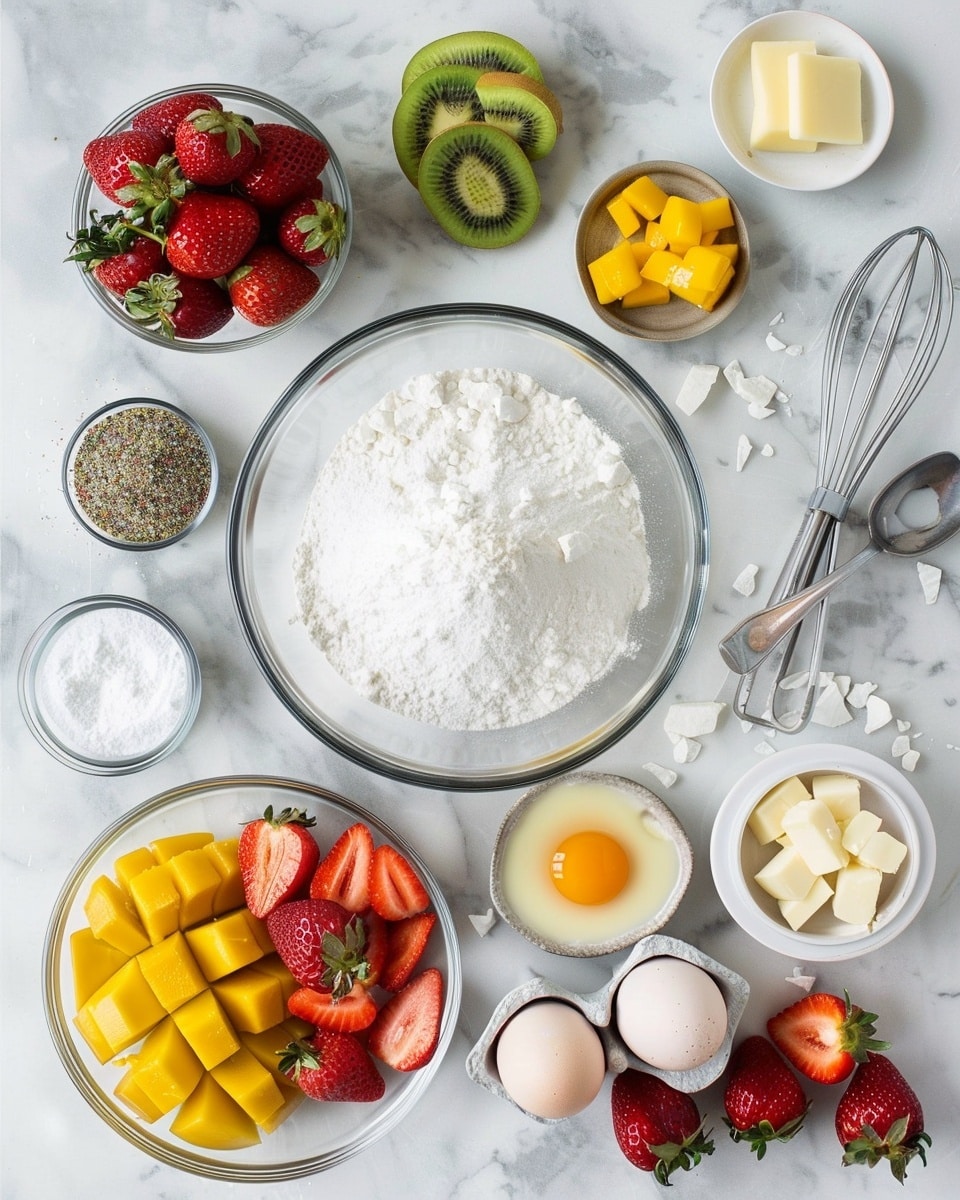
Ingredients You’ll Need
The beauty of this recipe lies in its simplicity. Each ingredient plays a crucial role in crafting the perfect texture and flavor balance.
- Egg whites (225 g): The sturdy foundation of your pavlova, they whip into airy peaks that hold the structure.
- Caster sugar (370 g for meringue + 50 g for cream): Provides sweetness and glossy shine, dissolving perfectly into the egg whites and cream.
- Cornstarch (1½ tbsp): Gives the meringue that iconic marshmallow-like center and stability.
- White vinegar (2 tsp): Reacts with cornstarch to strengthen the meringue’s crisp exterior.
- Lemon zest (1 tsp, optional): Adds a subtle twist of brightness and aroma.
- Whipping cream (1½ cups, 35% fat): Whipped to fluffy perfection to crown your pavlova with richness.
- Vanilla extract (2 tsp): Infuses the cream with warmth and depth of flavor.
- Fresh fruits (kiwi, strawberries, mango, passion fruit pulp or lemon curd): Bursting with vibrant color and tangy sweet notes to brighten every bite.
Ingredient Substitutions & Tips
- Cornstarch: You can substitute with arrowroot powder or potato starch if you have these on hand.
- White vinegar: Cream of tartar works wonderfully as a natural stabilizer in place of vinegar.
- Whipping cream: Heavy cream or double cream (high-fat content) can be used for an even richer topping.
- Fruits: Substitute or mix in blueberries, raspberries, red currants, or even thinly sliced peaches or nectarines for a seasonal twist.
👨🍳 Pro Tips for Perfect Results
- Tip 1: Make sure all your equipment is squeaky clean and bone dry—any grease or moisture can prevent egg whites from whipping properly.
- Tip 2: Separate eggs one at a time into a small bowl before adding to the mixer to avoid yolk contamination.
- Tip 3: Be patient when adding sugar—slowly stirring it in ensures a smooth, glossy meringue.
- Tip 4: Use an oven thermometer to keep your temperature steady for perfect baking.
- Tip 5: Let your pavlova cool completely inside the oven for several hours to avoid cracks.
How to Make Perfect Pavlova Recipe
Step 1: Prepare Your Workspace and Preheat Oven
Clean and dry every tool you’ll use—mixer bowl, whisk, spatulas, and bowls for separating eggs—to ensure no grease disrupts your egg whites. Preheat your oven to 275°F (135°C). Line a baking sheet with parchment paper and draw a 7.5-inch (19 cm) circle on the underside to guide your meringue shape. Set this aside for now.
💡 Pro Tip: Use a scale to measure egg whites for precision; this makes or breaks your meringue structure.
Step 2: Separate and Measure Egg Whites
Carefully crack each egg into a small bowl to avoid yolk contamination, then transfer the white to your mixer bowl. Aim for about 225 grams of egg whites at room temperature for fluffiest results. If yolk slips in, discard that white and start over—this is worth the extra attention!
💡 Pro Tip: Warm your egg whites gently in a bowl set over warm water if your kitchen is chilly; warmer whites whip better.
Step 3: Whip Egg Whites to Soft Peaks
Start whisking your egg whites on medium-low speed until they form soft peaks—think light foam with small, stable bubbles that gently hold shape when you lift the whisk. This stage takes roughly 5 to 10 minutes, so stay patient and watch the transformation.
💡 Pro Tip: Stop occasionally and scrape down the bowl for consistent whipping.
Step 4: Gradually Add Sugar
Add caster sugar, one spoonful at a time, whisking thoroughly between additions. This slow stirring guarantees that the sugar dissolves completely, leading to a shiny, smooth meringue. This process can take 5 to 12 minutes—don’t rush! After all sugar is in, whisk at a slightly higher speed until thick, glossy stiff peaks form.
💡 Pro Tip: Test sugar dissolution by rubbing a small amount between your fingers; no graininess means you’re golden.
Step 5: Fold in Cornstarch and Vinegar
In the final minutes of whisking, gently add cornstarch and vinegar to the meringue on low speed to integrate without deflating the airy structure. This step is crucial—it stabilizes both the exterior crisp and soft center.
💡 Pro Tip: If you add lemon zest, fold it in now for a light, fragrant lift.
Step 6: Shape and Bake the Meringue
Transfer your glossy meringue onto the parchment within the circle. Shape into a round about 2.5 to 3 inches tall with a slight indentation in the center to cradle the toppings later. Use an offset spatula to create pretty furrows for texture and prevent sharp peaks that burn easily. Bake immediately at 212°F (100°C) for 80-90 minutes without opening the oven door.
💡 Pro Tip: Once baked, let your pavlova cool inside the turned-off oven for at least four hours or overnight for perfection.
Step 7: Whip the Cream and Prepare Fruit
Chill your mixing bowl and whisk. Whip the cream on medium speed, adding sugar and vanilla gradually, until soft semi-stiff peaks form—light, airy, and stable. Prepare your fresh fruits: peel and slice kiwi, halve strawberries, dice mango, and have passion fruit pulp or lemon curd ready for that tangy splash of flavor atop.
💡 Pro Tip: Whisk gently by hand once close to stiff peaks to avoid graininess and over-whipping.
Step 8: Assemble and Serve Immediately
Carefully crack the pavlova’s crust to settle the marshmallow center gently. Spread whipped cream evenly over the top, then generously pile on colorful fruit and drizzle passion fruit pulp or lemon curd. Serve right away to enjoy the contrast of textures and flavors at their best. Your Perfect Pavlova Recipe is now ready to impress!
💡 Pro Tip: Serve in the same dish you baked it in to avoid cracks during transfer.
Common Mistakes to Avoid
Learn from these common pitfalls:
- Egg yolk contamination: Even a tiny trace of yolk can prevent egg whites from whipping; always separate carefully.
- Rushing sugar addition: Dumping sugar too fast causes grainy, dull meringue—take your time.
- Opening oven door too soon: Sudden temperature drops can cause pavlova to crack or collapse.
- Over-whipping egg whites: Leads to dry, stiff peaks that can collapse during baking.
- Under or over-baking: Too little time results in sticky meringue; too long can brown and dry it out.
- Not cooling in oven: Cooling outside can cause cracks; a slow cool in the oven prevents this.
Delicious Variations to Try
Once you’ve mastered the classic version, why not mix things up with these inventive twists?
Tropical Paradise Pavlova
Swap in ripe pineapple chunks, passion fruit pulp, and toasted coconut flakes for an island-inspired delight full of sunny sweetness and crunch.
Berry Medley Magic
Load up on mixed berries like raspberries, blueberries, and blackberries with a drizzle of fresh berry coulis for a colorful, tangy burst.
Chocolate Drizzle Dream
After assembling, drizzle melted dark chocolate over the pavlova and sprinkle with shaved chocolate curls for an irresistible indulgence.
Nutty Citrus Twist
Add finely chopped pistachios or toasted almonds on top with tangerine slices and a sprinkle of orange zest for a crunchy, zesty surprise.
Exotic Rose & Lychee
Fold in subtle rose water to the cream and top with canned lychee pieces and pomegranate seeds, creating an elegant and fragrant treat.
How to Serve Perfect Pavlova Recipe
Garnishes
Fresh mint leaves, edible flowers, or a dusting of powdered sugar perfectly complement the pavlova’s light and fresh profile, adding color and elegance.
Side Dishes
A scoop of vanilla bean ice cream or a small glass of sparkling wine can elevate the experience, balancing the sweetness with cool creaminess or bubbly zest.
Creative Ways to Present
Try individual mini pavlovas using smaller meringue nests, or layer pavlova shards with whipped cream and fruit in tall glasses for a stunning parfait-style presentation.
Make Ahead and Storage
Storing Leftovers
Keep leftover pavlova base in an airtight container in a cool, dry place away from moisture or drafts for up to three days. Avoid storing in the refrigerator to keep the crisp shell intact.
Freezing
Freeze the cooled pavlova shell wrapped well in plastic wrap and foil for up to one month. Thaw at room temperature when ready to serve, then whip fresh cream and add toppings.
Reheating
The pavlova is best served at room temperature. Avoid reheating as it can soften the crisp texture; instead, focus on fresh cream and fruit toppings to revive it.
FAQs
Can I use regular sugar instead of caster sugar?
You can, but caster sugar dissolves quicker and gives a smoother meringue texture. If you only have regular sugar, pulse it in a food processor to make it finer before using.
What if my pavlova cracks after baking?
Some cracking is normal and adds to its rustic charm. To minimize this, bake low and slow, and cool inside the oven with the door closed as much as possible.
Can I make pavlova without vinegar?
Cream of tartar is an excellent substitute. It stabilizes the egg whites just as well as white vinegar.
How long can I keep the pavlova before serving?
The meringue base can be made up to 3 days ahead if stored properly in an airtight container in a cool, dry place.
Can I use frozen fruit?
It’s best to use fresh to prevent excess moisture from making the pavlova soggy, but if using frozen, thaw and drain completely.
Why is my meringue sticky?
Sticky meringue usually means the sugar isn’t fully dissolved, or the humidity is too high. Whisk longer and try to bake on a dry day.
How do I achieve crispy edges and a marshmallow center?
The secret lies in the addition of cornstarch and vinegar, slow baking at low heat, and cooling the pavlova slowly in the oven overnight.
Can I use this recipe to make mini pavlovas?
Absolutely! Just reduce the baking time and watch closely to maintain the perfect texture in smaller portions.
Final Thoughts
There’s something truly magical about mastering the Perfect Pavlova Recipe—it’s a dance of textures, a symphony of flavors, and a feast for the eyes all at once. Whether it’s a special occasion or a sweet weekday indulgence, this dessert will bring a sparkle to your table and smiles to everyone you share it with. The joy of pulling a perfectly crisp yet soft pavlova from the oven, then crowning it with fluffy cream and vibrant fruits, is unbeatable.
Have you tried this Perfect Pavlova Recipe? I’d love to hear how it turned out! Leave a comment below. If you loved this recipe, please share it with friends and family. Happy cooking! 🍓🎉
PrintPerfect Pavlova Recipe
This Perfect Pavlova recipe yields a light, airy meringue dessert with a crisp crust and a marshmallow-like center, topped with whipped cream and fresh fruits like kiwi, strawberries, mango, and passion fruit pulp or lemon curd. It’s an elegant Australian classic that is best served freshly assembled and makes a stunning centerpiece for any celebration.
- Prep Time: 30 minutes
- Cook Time: 1 hour 30 minutes
- Total Time: 11 hours 30 minutes (including cooling time overnight)
- Yield: 12 servings 1x
- Category: Dessert
- Method: Baking
- Cuisine: Australian
- Diet: Vegetarian
Ingredients
Pavlova Base
- 225 g egg whites, at room temperature
- 370 g caster sugar
- 1½ tbsp cornstarch (tightly packed, approx. 15–17 g)
- 2 tsp white vinegar
- 1 tsp grated lemon zest (optional, from a dry lemon)
Whipped Cream Topping
- 1½ cup whipping cream (35% fat)
- 50 g caster sugar
- 2 tsp vanilla extract
Fruit Topping
- 2 kiwi fruits, peeled and sliced or diced into 1-inch pieces
- 1 cup halved strawberries (or more)
- 1 cup diced mangoes (or other fruits such as blueberries, raspberries, or red currants)
- ¼ cup passion fruit pulp/syrup or lemon curd
Instructions
- Prepare Equipment and Oven: Ensure all equipment such as the mixer bowl, whisk, spatulas, and bowls are clean and dry. Preheat the oven to 275°F / 135°C and line a baking tray with parchment paper with a 7.5 to 8 inch (19-20 cm) circle drawn on the underside.
- Separate Egg Whites: Carefully separate egg whites from yolks into a clean bowl without any yolk contamination, then transfer to the mixer bowl on a scale. Use about 220-225 g of egg whites, discarding any yolk-contaminated whites.
- Warm Egg Whites (if needed): If the kitchen is cold, gently warm the egg whites by placing the mixer bowl in hot water and stirring for 1-2 minutes to about 85-90°F (29-32°C).
- Whisk Egg Whites to Soft Peaks: Using a mixer on low speed (2 or 3 out of 10), whisk egg whites until soft peaks form—small bubbles that pile up but are still soft; this can take 5-10 minutes.
- Incorporate Sugar Slowly: Gradually add sugar one spoonful at a time at speed 3, whisking 10-15 seconds after each addition and scraping the bowl sides occasionally. This slow process takes about 5-12 minutes and prevents graininess.
- Whisk to Stiff and Glossy Peaks: Increase speed to 4 (or up to 5) and continue whisking until sugar is completely dissolved, and the meringue is thick, glossy, and holds its shape well. Test by rubbing a bit between fingers for no graininess. This can take 12-30 minutes total.
- Add Cornstarch and Vinegar: When sugar is nearly dissolved and meringue is at stiff peaks, mix in cornstarch and white vinegar on low speed to combine, then whisk at higher speed for 2-5 minutes until fully integrated.
- Fold in Optional Lemon Zest: If using, gently fold in grated lemon zest now, but this step is optional.
- Prepare Baking Sheet: Dab small meringue spots on the baking sheet to secure parchment paper, then place parchment paper circle side up on the tray.
- Shape the Meringue: Spoon meringue onto the center of the parchment circle and spread evenly to about 2.5-3 inches tall, creating furrows along the sides with an offset spatula and a shallow depression in the center, smoothing edges to prevent excessive browning.
- Bake Pavlova: Immediately transfer to oven, reduce temperature to 212°F / 100°C, and bake for 80-90 minutes without opening the door. Check at 80 minutes for a dry crust; if formed, turn oven off and leave pavlova inside to cool completely for at least 4 hours or overnight.
- Store Properly: Once cooled, transfer pavlova to an airtight container and store in a cool, dry place away from drafts. Avoid refrigeration or freezing to keep the crust crisp.
- Prepare Whipped Cream: Chill a bowl and whisk the cream at medium-low speed, gradually adding sugar and vanilla until semi-stiff peaks form. Gently whisk by hand to reach stiff peaks without overbeating to avoid graininess.
- Crack Pavlova Surface: Before topping, lightly crack the top crust so it sits on the marshmallow center, preventing collapse under the cream.
- Assemble and Serve: Spread whipped cream evenly over pavlova, top with sliced and diced fruits, and drizzle passion fruit pulp or lemon curd. Serve immediately for best texture and flavor.
Notes
- Use fresh, room temperature egg whites for best volume and stability.
- Avoid any yolk contamination in egg whites as it prevents proper foaming.
- Slow addition of sugar and thorough whisking are critical for a smooth meringue.
- Do not open oven door during baking to avoid cracking.
- If egg whites are cold, gently warm before whisking for superior meringue volume.
- Store pavlova in an airtight container at room temperature to preserve crisp texture.
- Leftover egg yolks can be used in custards, lemon curd, or mayonnaise.
- Overwhipping cream causes graininess; whisk gently at the end to perfect texture.
Keywords: Pavlova, meringue, whipped cream, fresh fruit dessert, Australian dessert, summer dessert, lemon curd, passion fruit, kiwi, strawberries, mango