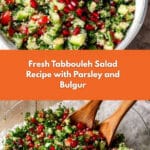
Classic Middle Eastern Tabbouleh Salad Recipe
Picture this: a sunny afternoon, the scent of fresh herbs wafting through your kitchen, and a bowl of vibrant, zesty tabbouleh salad ready to brighten your table. This Classic Middle Eastern Tabbouleh Salad Recipe is a celebration of bright green parsley, juicy tomatoes, and nutty bulgar wheat all tossed in a lemony embrace that tastes like sunshine in every bite.
Why You’ll Love This Classic Middle Eastern Tabbouleh Salad Recipe
- Fresh and Flavorful: Bursting with the brightness of fresh parsley and the zing of lemon juice, this salad awakens your senses with every forkful.
- Simple Ingredients: Using pantry staples like bulgar wheat and pantry-fresh vegetables means this recipe is accessible and easy to make whenever the craving strikes.
- Perfect for Any Occasion: Whether as a light appetizer, refreshing side, or even a snack, this dish fits seamlessly into weeknight dinners and special gatherings alike.
- Beautiful Presentation: The drizzle of pomegranate molasses and jewel-like pomegranate seeds create an eye-catching pop of color that will impress guests.
- Customizable: You can easily adjust the lemon juice and olive oil to suit your taste, or add a touch more pomegranate molasses to deepen the flavor.
Why This Classic Middle Eastern Tabbouleh Salad Recipe Works
This recipe shines because of its balance and technique. Cooking bulgar wheat perfectly on the stovetop ensures a tender but slightly chewy texture that carries the salad without overpowering it. The key step of salting the chopped vegetables to draw out excess moisture keeps your tabbouleh from getting soggy, maintaining a wonderfully crisp bite. The final combination of extra virgin olive oil and freshly squeezed lemon juice adds layers of richness and tang, making the flavors meld beautifully. This stovetop method and the fresh Middle Eastern ingredients make every mouthful a delight.
Ingredients You’ll Need
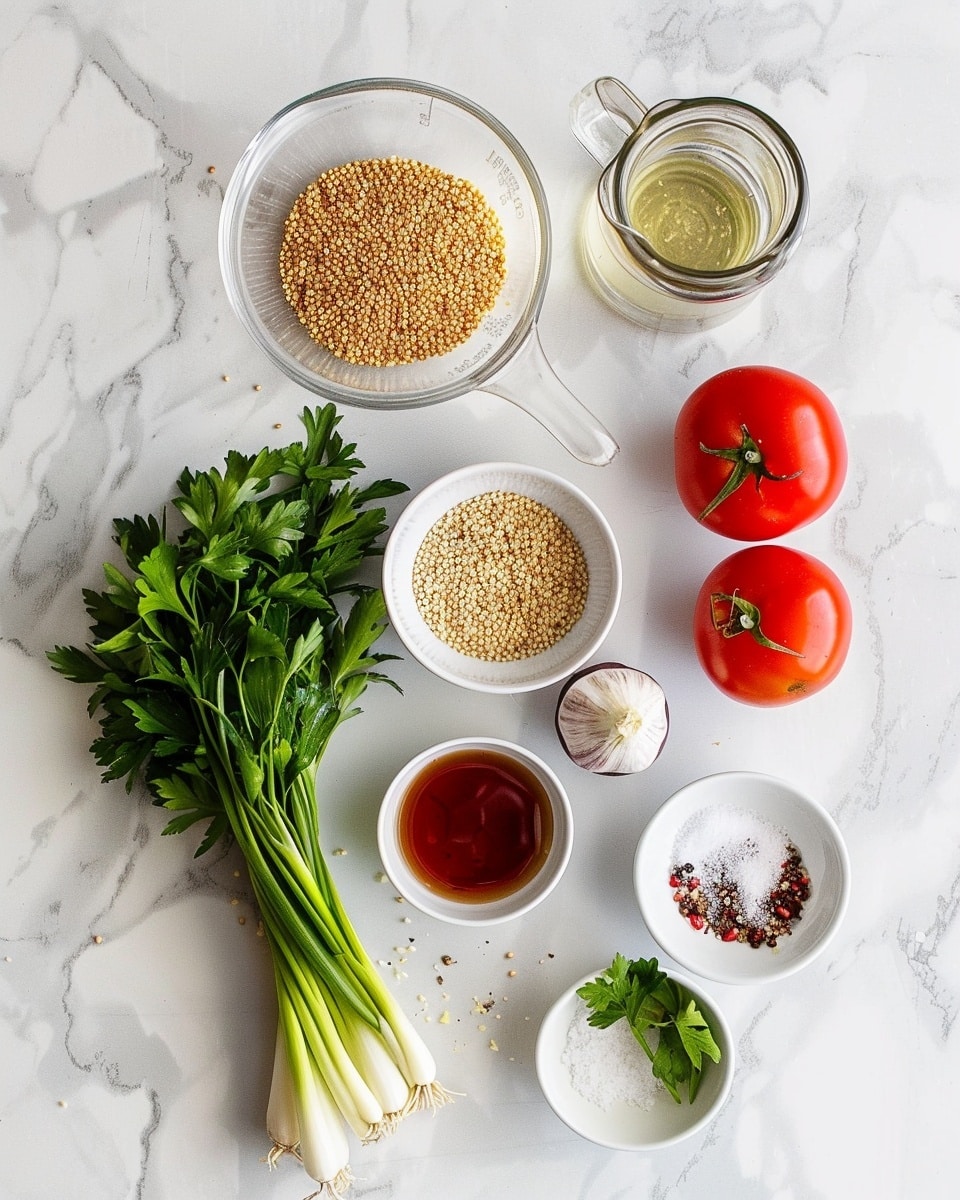
Grab your freshest parsley, plump tomatoes, and the nutty goodness of bulgar wheat — the heart of this salad. Complement these with the zesty brightness of lemon juice and the silky touch of extra virgin olive oil to awaken your taste buds.
- 60g fresh parsley: The herbaceous backbone providing vibrant color and fresh flavor.
- 50g bulgar wheat: Nutty and chewy, giving the salad substance and texture.
- 2 large tomatoes: Juicy bursts of sweetness balancing the lemon’s tang.
- 3 spring onions: A mild, crisp onion bite that adds subtle sharpness.
- 1-2 tbsp extra virgin olive oil: Adds smooth richness and ties all flavors together.
- 4 tbsp lemon juice: The bright, acidic punch that wakes up the whole dish.
- Salt & pepper to taste: To season and bring out the natural flavors.
- Drizzle of pomegranate molasses: Optional but incredible for a touch of sweet sour depth.
- Handful of pomegranate seeds: Jewel-like crunch and bursts of sweetness for the perfect finish.
Ingredient Substitutions & Tips
- Bulgur Wheat: You can substitute with quinoa for a gluten-free twist but adjust cooking times accordingly.
- Parsley: Flat-leaf parsley is ideal, but curly parsley works in a pinch. For a different herbaceous note, add some fresh mint.
- Lemon Juice: Freshly squeezed is best, but bottled lemon juice works when fresh isn’t available.
- Pomegranate Molasses: If you don’t have it, a light drizzle of balsamic glaze can add a similar sweet tang.
👨🍳 Pro Tips for Perfect Results
- Use fresh parsley: The fresher, the better—avoid wilted herbs for the brightest flavor and color.
- Don’t overcook bulgar wheat: Keep it slightly chewy, it adds lovely texture to the salad.
- Salt vegetables and drain: This crucial step avoids watery salad that can dull the flavors.
- Adjust lemon and olive oil: Taste as you go for the perfect balance of bright and smooth.
- Chill before serving: Let the flavors marry in the fridge for at least an hour for maximum freshness.
How to Make Classic Middle Eastern Tabbouleh Salad Recipe
Step 1: Cook bulgar wheat
Start off by gently simmering the bulgar wheat according to the pack instructions; usually about 10 minutes. Drain any excess water and let it cool completely. This step ensures the grain is tender and ready to absorb the salad flavors.
💡 Pro Tip: Spread the cooked bulgar on a tray to cool faster and prevent clumping.
Step 2: Chop vegetables
Chop the tomatoes, spring onions, and fresh parsley as finely as you can. The minute chopping allows the flavors to blend beautifully and gives the salad its delicate, fresh texture.
💡 Pro Tip: Use a sharp knife to avoid bruising the herbs and tomatoes.
Step 3: Draw out water from vegetables
Transfer the chopped vegetables to a salad bowl, sprinkle with salt, and leave it to rest for 5 minutes. This gentle salting draws out excess moisture, which you should discard to keep the tabbouleh crisp and refreshing.
💡 Pro Tip: Don’t skip this step; it prevents your salad from becoming soggy.
Step 4: Combine ingredients
Now add the cooled bulgar wheat to the salad bowl, followed by a drizzle of extra virgin olive oil, lemon juice, salt, and pepper. Toss everything together lovingly to coat each ingredient with the vibrant dressing.
💡 Pro Tip: Adjust the lemon and olive oil according to your taste for a perfectly balanced salad.
Step 5: Finish salad
For an extra burst of flavor and visual appeal, drizzle pomegranate molasses over the top and scatter a handful of fresh pomegranate seeds. These bright spots provide a delightful sweet-tart crunch that elevates the dish elegantly.
💡 Pro Tip: If you like a sweeter edge, add a little more pomegranate molasses to taste.
Step 6: Chill
Refrigerate the salad for at least an hour before serving. This resting time lets all the flavors mingle and enhances the refreshing experience of the salad.
💡 Pro Tip: Make this in advance to let the flavors develop beautifully and serve it chilled for ultimate enjoyment.
Common Mistakes to Avoid
Learn from these common pitfalls:
- Skipping the vegetable salting step: Leads to watery, soggy tabbouleh.
- Overcooking bulgar wheat: Makes the texture mushy rather than pleasantly chewy.
- Using dull knives: Bruises ingredients and lessens vibrancy and texture.
- Adding dressing too early: Can make the salad soggy; combine right before chilling.
- Not chilling the salad: Serving immediately misses the chance for flavors to meld and mellow.
- Using pre-chopped herbs: Freshly chopped brings the best flavor and aroma.
Delicious Variations to Try
Once you’ve mastered the Classic Middle Eastern Tabbouleh Salad Recipe, you can try these fresh twists:
Add Fresh Mint
Mix in chopped fresh mint leaves with the parsley to introduce a cool, aromatic layer of flavor that complements the lemon perfectly.
Add Cucumber
Diced cucumber brings extra crunch and refreshing juiciness, enhancing the salad’s crispness especially on warm days.
Use Quinoa Instead of Bulgar Wheat
This gluten-free option keeps the texture satisfying and allows a slightly nuttier taste that pairs beautifully with the zesty ingredients.
Add Toasted Pine Nuts
Scatter toasted pine nuts over the salad for a delightful crunch and a subtle buttery note that elevates the dish’s complexity.
Try Sumac for a Tangy Twist
Sprinkle a pinch of sumac on top for an extra lemony, tart flavor that’s characteristic of many Middle Eastern dishes.
How to Serve Classic Middle Eastern Tabbouleh Salad Recipe
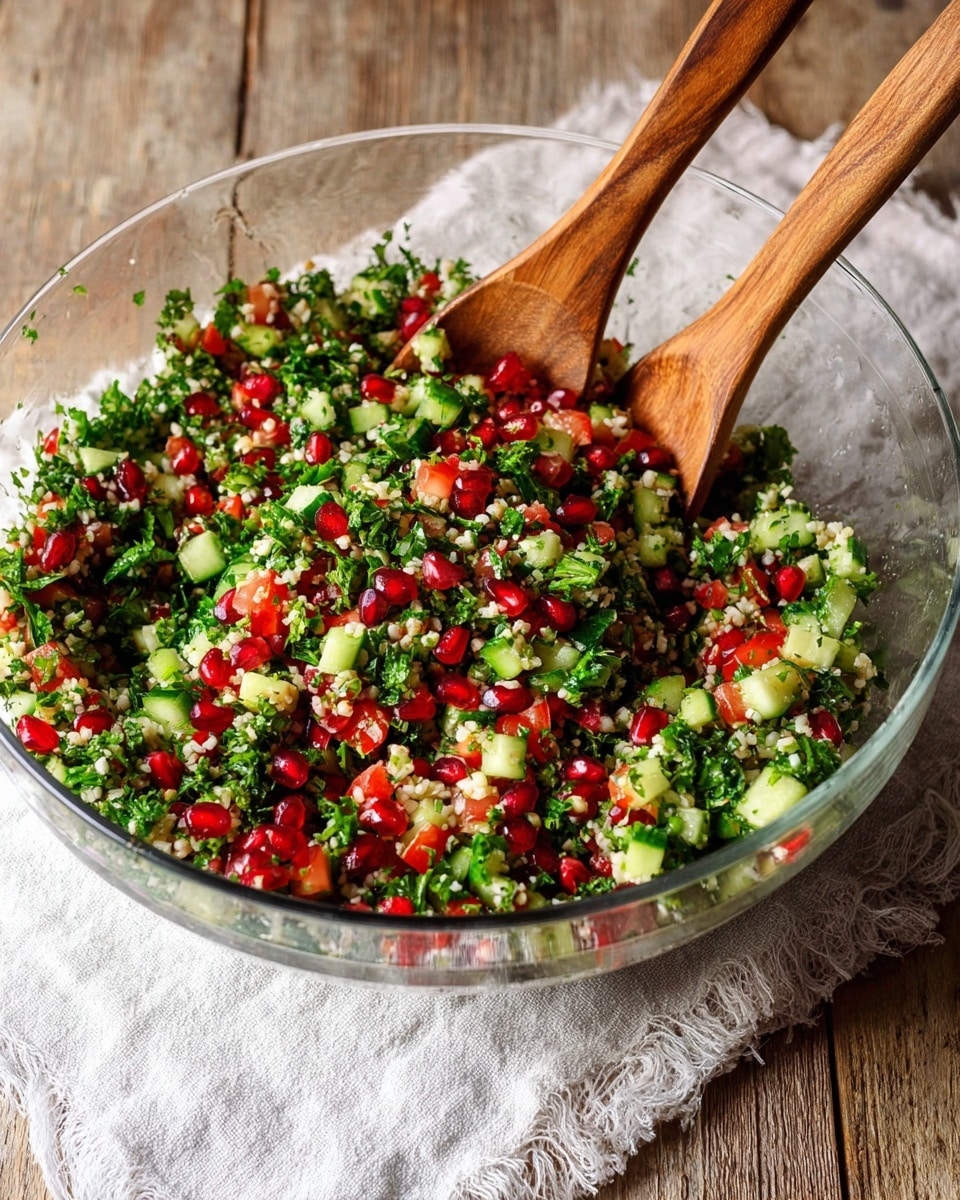
Garnishes
Brighten your presentation with extra pomegranate seeds and a light drizzle of olive oil or pomegranate molasses, providing jewel tones and glossy shine.
Side Dishes
This salad pairs beautifully with grilled chicken or lamb, warm pita bread, or hummus for a full Mediterranean-inspired meal that’s light yet satisfying.
Creative Ways to Present
Serve the tabbouleh in small glass bowls layered with hummus or labneh for a beautiful mezze platter. Alternatively, stuff it into pita pockets with grilled veggies for a fresh sandwich option.
Make Ahead and Storage
Make-Ahead Instructions
You can prepare this tabbouleh up to a day in advance. Prepare and combine all ingredients, then refrigerate to let those flavors deepen beautifully.
Storage
Store leftover tabbouleh in an airtight container in the refrigerator for up to 3 days. The salad may continue to soften over time but remains delicious.
Freezing
Because of the fresh herbs and lemon juice, freezing is not recommended as it will alter the texture and flavor of the salad.
Reheating
This salad is best served cold or at room temperature, so reheating is unnecessary and not recommended.
Expert Tips for Success
- Always use fresh lemon juice for the most vibrant flavor.
- Finely chop the parsley and other vegetables for ideal texture.
- Be patient with the chilling process; it truly makes the salad shine.
- Balance seasoning carefully to avoid overpowering the delicate herbs.
- Draining the vegetables after salting is crucial for crisp freshness.
- If you want a milder onion flavor, soak the spring onions briefly in cold water before chopping.
- Use a light hand when drizzling pomegranate molasses to enhance, not overwhelm.
Frequently Asked Questions
Can I make this salad gluten-free?
Yes! Simply swap the bulgar wheat for quinoa or finely chopped cauliflower rice to keep it fresh and grain-free.
How long should I let the salad chill?
Ideally at least one hour in the fridge so the flavors meld perfectly, but it can be enjoyed immediately if needed.
Can I use dried parsley instead of fresh?
Fresh parsley is best for flavor and texture; dried parsley won’t provide the same freshness or vibrant taste.
What’s the best way to chop parsley for tabbouleh?
Use a sharp knife and finely chop the parsley to create a light, fluffy texture that blends seamlessly with the other ingredients.
Is pomegranate molasses necessary?
It’s optional but highly recommended for that authentic sweet-tart depth. If unavailable, a bit of balsamic glaze works as an alternative.
Can I prepare this in advance for a party?
Absolutely! Prepare the salad a day ahead and refrigerate; it tastes even better as the flavors develop.
How should I store leftover tabbouleh?
Keep leftovers in an airtight container in the refrigerator for up to three days for best freshness.
Final Thoughts
This Classic Middle Eastern Tabbouleh Salad Recipe is a true celebration of fresh, vibrant flavors that bring any meal to life. Each bite is a balanced harmony of herbs, grains, and zesty dressing that feels like a gift to your senses. I hope you enjoy making and sharing this light, healthy dish as much as I do—it’s a staple that never fails to impress and refresh. Gather your ingredients, chop that parsley, and let the magic of this salad brighten your table today!
PrintClassic Middle Eastern Tabbouleh Salad Recipe
This fresh and simple Tabbouleh salad is a classic Middle Eastern dish, featuring bulgar wheat, parsley, tomatoes, and a tangy lemon dressing, finished with a delicious drizzle of pomegranate molasses and seeds. Perfect as a light appetizer, side dish, or salad to enjoy any time.
- Prep Time: 20 minutes
- Cook Time: 10 minutes
- Total Time: 1 hour 35 minutes
- Yield: 4 1x
- Category: Salad
- Method: Stovetop
- Cuisine: Middle Eastern
- Diet: Vegetarian
Ingredients
Ingredients
- 60g fresh parsley
- 50g bulgar wheat
- 2 large tomatoes
- 3 spring onions
- 1–2 tbsp extra virgin olive oil
- 4 tbsp lemon juice
- Salt & pepper to taste
- Drizzle of pomegranate molasses
- Handful of pomegranate seeds
Instructions
- Cook bulgar wheat: Start off by cooking the bulgar wheat according to pack instructions. I had to simmer mine for 10 minutes, drained any exccess water then left it to cool completely.
- Chop vegetables: Chop up the tomatoes, onions and parsley as finely as you can.
- Salt and drain: Transfer to a salad bowl and add a sprinkle of salt. Leave for 5 minutes to draw out any excess water. Discard the water to avoid a soggy tabbouleh!
- Mix salad: Add the chopped vegetables and cooled bulgar wheat to a large salad bowl, then add the olive oil, lemon juice and season to taste with salt & pepper.
- Finish salad: Finish off with an optional drizzle of pomegranate molasses and some pomegranate seeds.
- Chill: Refrigerate for at least an hour before serving. Enjoy!
Notes
- Store in an air-tight container in the fridge for up to 3 days.
Keywords: Tabbouleh salad, Middle Eastern salad, bulgar wheat salad, fresh parsley salad, easy healthy salad