Easy 10-Minute Korean Perilla Oil Noodles Recipe
Picture this: a warm kitchen filled with the delicate aroma of nutty perilla oil mingling with the clean, earthy scent of buckwheat soba noodles. With just a handful of ingredients, this Easy 10-Minute Korean Perilla Oil Noodles Recipe brings a fresh, vibrant taste of Korea straight to your table—no fuss, no lengthy prep, just pure, satisfying flavor.
Why You’ll Love This Easy 10-Minute Korean Perilla Oil Noodles Recipe
- Deliciously Nutty Flavor: The star ingredient, perilla oil, offers a rich, nutty depth that effortlessly transforms simple noodles into a gourmet delight.
- Simple Ingredients: Using pantry staples like soy sauce and a touch of sugar, plus Korean roasted seaweed flakes for that umami punch, you can whip this up with minimal shopping.
- Perfect for Busy Days: With active prep and cook times totaling just 10 minutes, this recipe fits beautifully into even the busiest schedule.
- Visually Appealing: The vibrant green onion and fiery red chili pepper make this bowl as pretty as it is tasty, perfect for brightening up your meal routine.
- Flexible and Customizable: Whether you prefer to dial up the heat or swap perilla oil for sesame oil, this recipe welcomes your personal touches with open arms.
Why This Easy 10-Minute Korean Perilla Oil Noodles Recipe Works
The magic behind this recipe lies in its flawless combination of ingredients and technique. Using buckwheat soba noodles provides a slightly chewy and wholesome base that holds the sauce beautifully. The perilla oil—known for its fragrant nuttiness—blends perfectly with soy sauce and a hint of sugar to create an irresistibly balanced dressing. Tossing the noodles with cold rinsing ensures a refreshing texture, while the Korean roasted seaweed flakes bring a burst of savory, crispy umami. The stovetop method is straightforward, requiring minimal cleanup and maximum flavor extraction.
Ingredients You’ll Need
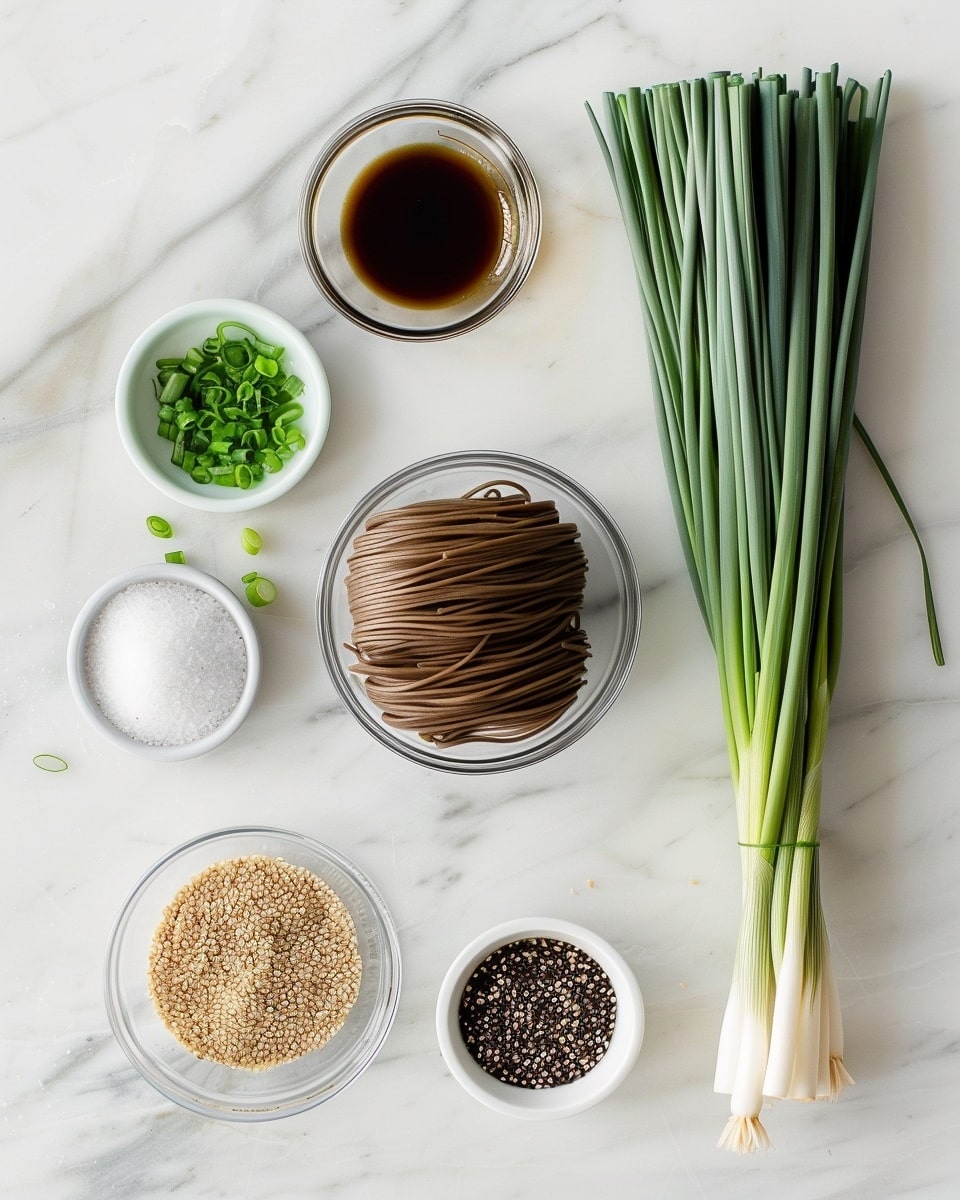
Get ready to gather a handful of wonderfully simple yet flavor-packed ingredients that make this dish sing with a crisp Korean flair.
- 4.90 oz soba noodles ((aka buckwheat noodles) dry kind): These noodles add earthiness and a pleasing chewy bite.
- 4 tsp perilla oil (or sub with sesame oil): This oil delivers a fragrant nuttiness essential to authentic flavor, with sesame oil as a lovely alternative.
- 1 tbsp regular soy sauce (or light soy sauce / low-sodium soy sauce): The salty backbone that enhances every element.
- 1 tsp white granulated sugar (or cane sugar): Just a touch to balance the savory notes.
- 1/4 cup Korean roasted seaweed flakes (do not skip, or see substitute in Notes below): Adds an umami-rich crunch and that unmistakable Korean touch.
- 1/2 tsp sesame seeds: Tiny bursts of toasted flavor that boost texture and aroma.
- 2 tbsp green onion (finely chopped): Offers fresh, sharp brightness.
- 1 Cheongyang chili pepper (chopped): Provides a spicy kick to finish.
Ingredient Substitutions & Tips
- Perilla oil: If you can’t find perilla oil, toasted sesame oil is an excellent substitute that preserves the nutty profile.
- Soy sauce: Use light or low-sodium versions to suit your dietary needs without compromising flavor.
- Korean roasted seaweed flakes: This ingredient is key; however, if unavailable, try finely shredded nori sheets toasted lightly, though flavor will be subtly different.
- Cheongyang chili pepper: If you prefer less heat, swap for a milder chili or omit altogether.
👨🍳 Pro Tips for Perfect Results
- Cook noodles al dente: Keep an eye on your soba noodles and pull them just shy of fully soft for the best texture after rinsing.
- Cold rinse: Don’t skip rinsing the noodles with cold water—it stops cooking and firms up the texture, keeping the dish refreshing.
- Use quality perilla oil: The flavor of perilla oil defines the dish—choose a fresh, high-quality bottle for the most vibrant taste.
- Toss gently: Be gentle when mixing to avoid breaking the delicate buckwheat noodles.
- Adjust spice level: Tweak the amount of Cheongyang chili pepper to suit your heat tolerance, or add more if you love a fiery punch.
How to Make Easy 10-Minute Korean Perilla Oil Noodles Recipe
Step 1: Make the sauce
Here’s my secret to building flavor: in a medium bowl, whisk together regular soy sauce, perilla oil, and sugar. Keep stirring until the sugar dissolves completely, turning this into a silky, balanced dressing that will coat your noodles beautifully.
💡 Pro Tip: Use a small whisk or fork to ensure the sugar melts fully—no gritty bites here!
Step 2: Cook noodles
While the sauce is resting, bring a pot halfway filled with water to a full, rolling boil over high heat. Add in the dry buckwheat soba noodles and cook them just until tender but with a slight chew—follow package directions or simmer gently for 2 to 3 minutes. This timing is essential for the perfect texture.
💡 Pro Tip: Stir noodles occasionally to prevent sticking.
Step 3: Rinse and drain
The real trick for refreshing Korean noodles lies here: strain the noodles immediately and rinse them under cold running water until they feel crisp and cool. Give them a good shake in the colander to remove excess moisture—that’s how you get each forkful perfectly coated, not soggy.
💡 Pro Tip: Rinsing stops further cooking and tightens the noodle bite.
Step 4: Toss noodles with sauce
Transfer your chilled noodles right into the prepared sauce bowl. Add the Korean roasted seaweed flakes—you won’t want to skip this umami-packed ingredient—and gently toss everything together. Watch as the noodles turn glossy and well-coated, each strand infused with that addictive perilla and soy flavor.
💡 Pro Tip: Toss gently from the bottom up to keep noodles intact.
Step 5: Garnish and serve
Finally, sprinkle on sesame seeds, finely chopped green onions, a little extra seaweed flakes, and a touch of chopped Cheongyang chili for heat if you fancy. This simple finishing touch transforms the dish visually and flavor-wise into a vibrant, irresistible bowl.
💡 Pro Tip: Garnish last to keep colors bright and fresh.
Common Mistakes to Avoid
Learn from these common pitfalls:
- Overcooking noodles: This leads to mushy texture, losing the delightful chewiness that buckwheat soba is known for.
- Skipping the cold rinse: Without rinsing, noodles continue to cook and clump together, making the dish heavy and less refreshing.
- Using ordinary oils: Regular vegetable oils won’t provide the signature nutty Korean flavor that perilla oil delivers.
- Leaving out seaweed flakes: They’re essential for authentic umami and texture, so don’t substitute unless necessary.
- Adding too much chili upfront: Spice can overwhelm the delicate flavors, so start small and adjust.
- Not draining noodles well: Excess water dilutes the sauce, making the dish watery.
Delicious Variations to Try
Once you’ve mastered this classic take on perilla oil noodles, feel free to experiment with these tasty twists to keep your meals exciting and personalized.
Spicy Sesame Perilla Noodles
Turn up the heat by adding a dollop of Korean chili paste (gochujang) to the sauce. It adds a luscious, spicy sweetness pairing perfectly with the nutty perilla oil.
Refreshing Cucumber Twist
Add thinly sliced cucumber ribbons for a crisp, cool element that contrasts the rich sauce wonderfully.
Tofu & Veggie Boost
Toss in some pan-fried tofu cubes and julienned carrots or bell peppers for a filling, vegetarian-friendly meal with added texture and nutrition.
Sesame & Green Bean Salad
Serve alongside a crisp sesame-dressed green bean salad for a complementary crunchy side that brightens the meal.
Kimchi Fusion
Mix in a small spoonful of kimchi for tangy, fermented vibrancy that brings a classic Korean flavor dimension to your bowl.
How to Serve Easy 10-Minute Korean Perilla Oil Noodles Recipe
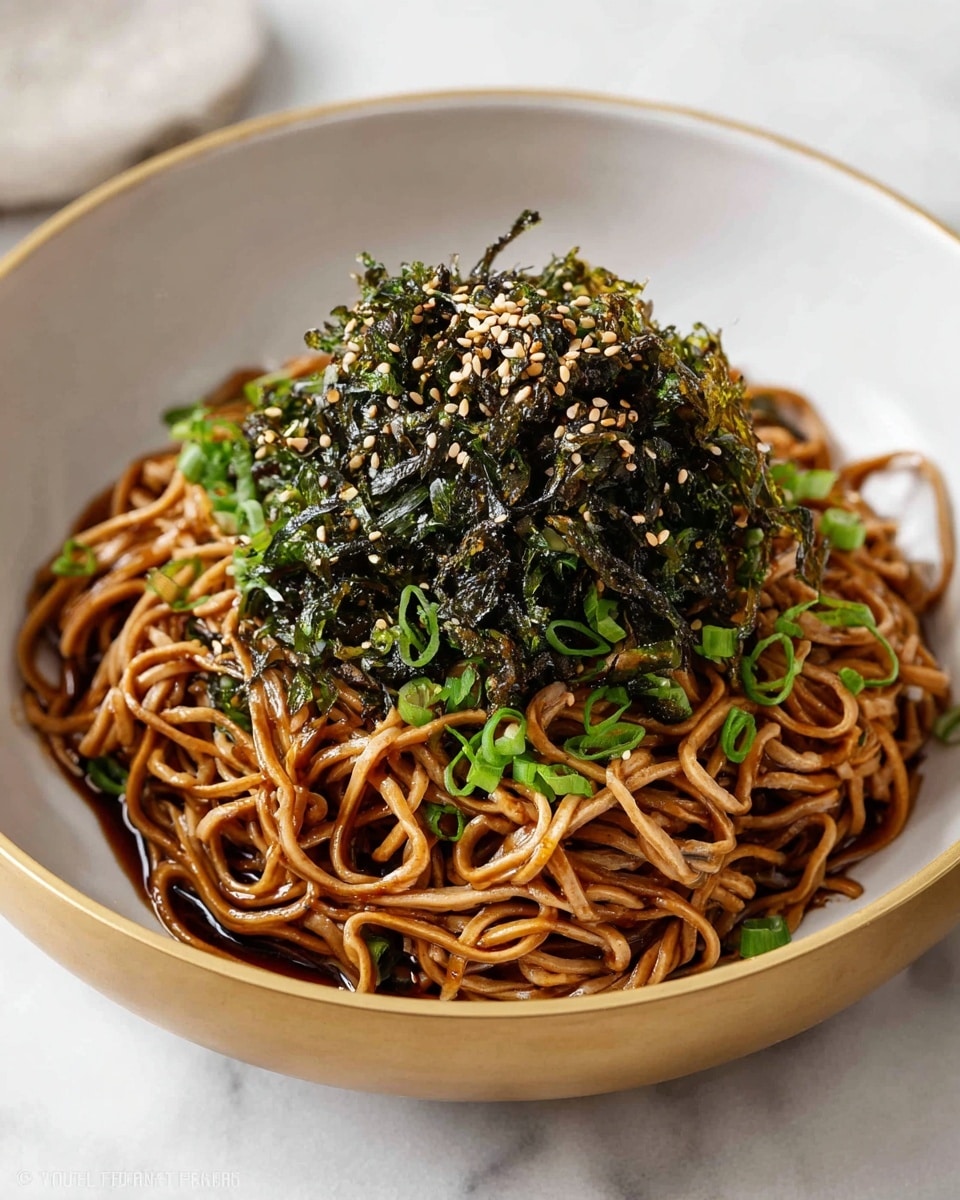
Garnishes
Enhance your dish with extra Korean roasted seaweed flakes for that crispy umami snap, sprinkle toasted sesame seeds for a nutty crunch, and finish with finely sliced green onions and fresh chili slices for a burst of color and heat.
Side Dishes
This dish pairs beautifully with simple sides like steamed or pickled vegetables, a bowl of miso soup, or a fresh Korean-style salad to balance the savory noodles.
Creative Ways to Present
Serve your noodles chilled for a refreshing summer meal or at room temperature tossed in a pretty shallow bowl. Consider layering extra green onions and seaweed flakes on top in neat piles to create a restaurant-quality presentation at home.
Make Ahead and Storage
Make-Ahead Instructions
You can prepare the sauce up to a day in advance and store it in the fridge. Cook the noodles ahead of time as well, but keep them dry and unstirred to prevent clumping. Combine just before serving for best results.
Storage
Store leftover noodles separately from the sauce in airtight containers in the refrigerator. They keep well for up to 2 days but are best enjoyed fresh.
Freezing
This noodle dish does not freeze well; the texture of both noodles and seaweed flakes degrades upon thawing, so it is best to avoid freezing.
Reheating
If you need to reheat, warm the noodles briefly in boiling water, then drain and toss with room temperature sauce to maintain the fresh, vibrant flavors.
Expert Tips for Success
Use cold water rinse to lock in chewy noodle texture and prevent overcooking.
Choose fresh perilla oil—its quality defines the dish’s flavor.
Don’t skip Korean roasted seaweed flakes, as they add essential umami and texture.
Toss noodles gently to keep strands intact and glossy.
Prepare sauce ahead to let flavors marry before combining.
Adjust chili pepper according to your spice preference to balance heat and flavor.
Serve immediately for the freshest taste and best texture experience.
Frequently Asked Questions
Can I substitute perilla oil with another oil?
Absolutely. Toasted sesame oil is a great substitute and delivers a similar nutty aroma, though the flavor profile will be slightly different.
What if I can’t find Korean roasted seaweed flakes?
While not quite the same, finely shredded toasted nori sheets can work in a pinch. It’s best to stick with the flakes for authenticity and texture.
Is this recipe vegetarian?
Yes, this dish is fully vegetarian and contains no animal products, making it ideal for plant-based diets.
How spicy is the dish? Can I make it mild?
The heat comes from the Cheongyang chili pepper and is adjustable. You can reduce or omit the chili for a milder version without losing flavor.
Can I make this dish gluten-free?
If you use gluten-free soba noodles and a gluten-free soy sauce, this recipe can be adapted to be gluten-free.
How should I store leftovers?
Keep the noodles and sauce stored separately in airtight containers in the refrigerator and consume within two days for the best texture and taste.
Is this dish served hot or cold?
Traditionally, the noodles are served chilled or at room temperature, making it especially refreshing and perfect for warmer days.
Final Thoughts
Sharing this Easy 10-Minute Korean Perilla Oil Noodles Recipe feels like passing on a little piece of Korean comfort and simplicity to your own kitchen. Its perfect blend of nutty oils, chewy soba noodles, and savory seaweed flakes makes every bite a delightful experience. Whether you’re new to Korean flavors or looking for a quick yet impressive meal, this recipe offers a joyous cooking adventure that’s as satisfying in its preparation as it is in its eating. Give it a try—you might just find your new favorite noodle dish!
PrintEasy 10-Minute Korean Perilla Oil Noodles Recipe
This easy Korean Perilla Oil Noodles recipe combines chewy soba noodles with a flavorful sauce of perilla oil, soy sauce, and sugar, topped with Korean roasted seaweed flakes and a touch of spice from chili pepper for a quick and satisfying dish.
- Prep Time: 5 minutes
- Cook Time: 5 minutes
- Total Time: 10 minutes
- Yield: 1 serving 1x
- Category: Noodles
- Method: Stovetop
- Cuisine: Korean
- Diet: Vegetarian
Ingredients
Ingredients
- 4.90 oz soba noodles ((aka buckwheat noodles) dry kind)
- 4 tsp perilla oil (or sub with sesame oil)
- 1 tbsp regular soy sauce (or light soy sauce / low-sodium soy sauce)
- 1 tsp white granulated sugar (or cane sugar)
- 1/4 cup Korean roasted seaweed flakes (do not skip, or see substitute in Notes below)
- 1/2 tsp sesame seeds
- 2 tbsp green onion (finely chopped)
- 1 Cheongyang chili pepper (chopped)
Instructions
- Mix sauce. In a medium-sized mixing bowl, combine regular soy sauce, perilla oil, and sugar and mix until the sugar dissolves to create the noodle sauce. Set aside.
- Cook noodles. Bring a medium-sized pot filled halfway with water to boil on high heat. Add in the buckwheat noodles and cook according to package directions. (If your noodles don’t come with directions, reduce to low-medium heat and cook for 2-3 minutes or until chewy).
- Rinse noodles. Strain and rinse the cooked noodles with cold running water until cold. Then drain and shake out as much excess water in the noodles as possible.
- Toss noodles. Transfer the noodles into the bowl with the noodle sauce. Add roasted seaweed flakes and toss well.
- Garnish and serve. Then optionally garnish with sesame seeds, green onions, more roasted seaweed flakes, or chili pepper. Enjoy!
Notes
- Do not skip the Korean roasted seaweed flakes, or see substitute in Notes below.
Keywords: Korean noodles, perilla oil noodles, soba noodle recipe, quick Korean dish, roasted seaweed noodles