Easy Castella Cake Recipe | Soft & Fluffy Japanese Sponge Cake Recipe
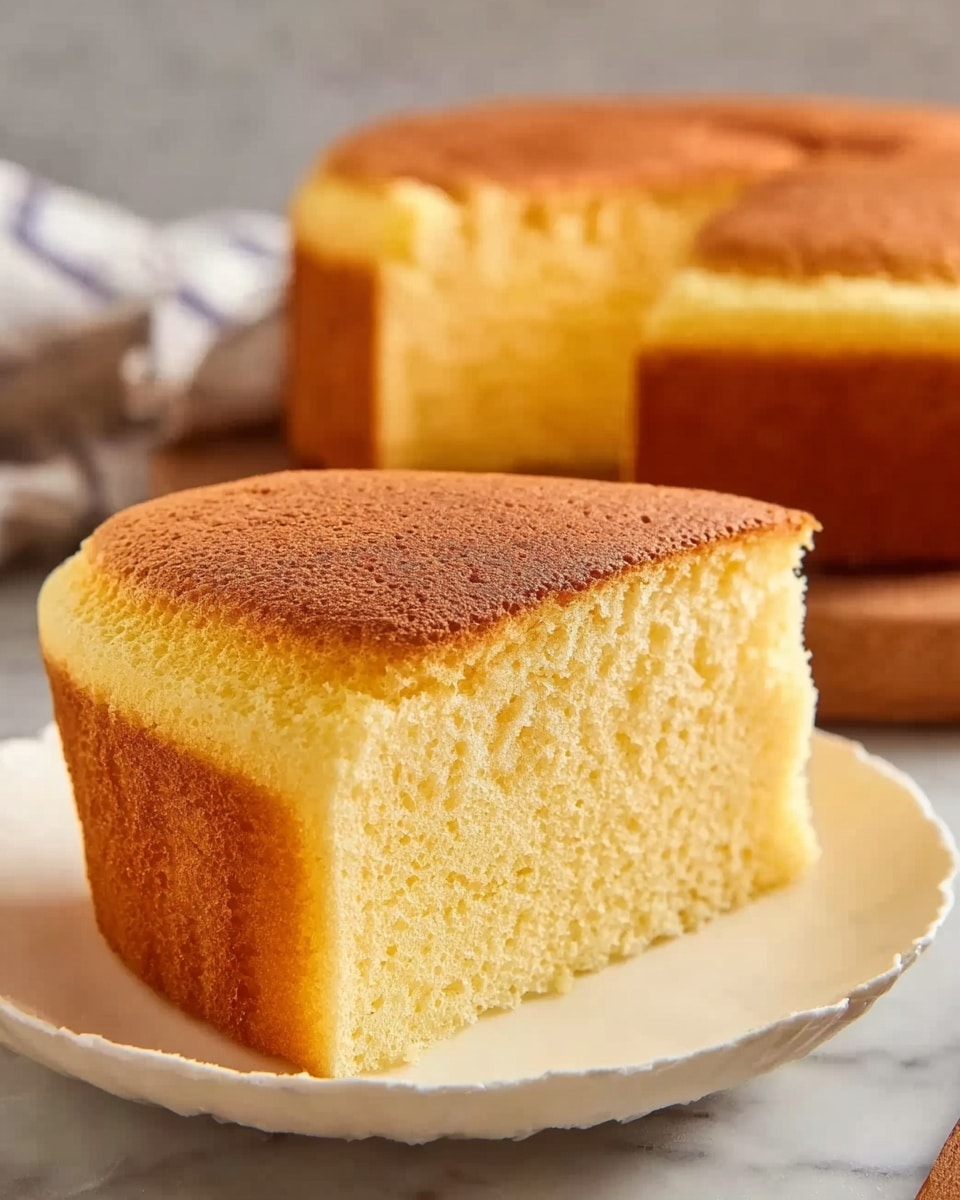
There’s something truly magical about the moment you slice into a freshly baked castella cake—the soft golden crumb yields effortlessly, releasing a delicate sweetness and a gentle, honeyed aroma that wraps around you like a comforting hug. This Easy Castella Cake Recipe | Soft & Fluffy Japanese Sponge Cake Recipe is a delightful treat that brings a slice of Japan’s beloved classic right to your home kitchen. Its airy texture and subtle flavors make every bite feel like a little celebration.
Why You’ll Love This Easy Castella Cake Recipe | Soft & Fluffy Japanese Sponge Cake Recipe
- Light and Airy Texture: Thanks to the careful whipping of eggs and sugar until they reach the ribbon stage, this cake stays incredibly fluffy and soft, making each bite melt in your mouth.
- Simple Ingredients: This recipe uses everyday pantry staples like eggs, sugar, cake flour, and a touch of honey and warm milk—all thoughtfully combined for maximum flavor with minimal fuss.
- Impressive Yet Easy: Whether you’re baking for a special occasion or a cozy afternoon tea, the elegant golden finish and delicate crumb are sure to impress without complicated techniques.
- Resting for Perfection: By letting the cake cool and rest overnight, you unlock a depth of texture and moisture that makes this Japanese sponge cake uniquely tender and irresistible.
- Versatile Flavors: Customize it effortlessly with a splash of vanilla, a hint of matcha, or a swirl of cocoa powder to suit your mood or occasion.
Why This Easy Castella Cake Recipe | Soft & Fluffy Japanese Sponge Cake Recipe Works
This recipe succeeds through a few key pillars. First, beating the eggs with sugar until thick and pale creates an airy base that supports that signature fluffy texture. Next, folding in the honey mixed with warm milk introduces a natural sweetness and moisture, which keeps the cake tender and adds a subtle complexity. Finally, the gentle incorporation of sifted cake flour preserves the lightness without deflating the batter. Baking low and slow at 320°F allows the cake to develop a beautiful golden crust while staying moist inside. These steps make this recipe a reliable go-to for a wonderfully soft Japanese sponge cake each time.
Ingredients You’ll Need
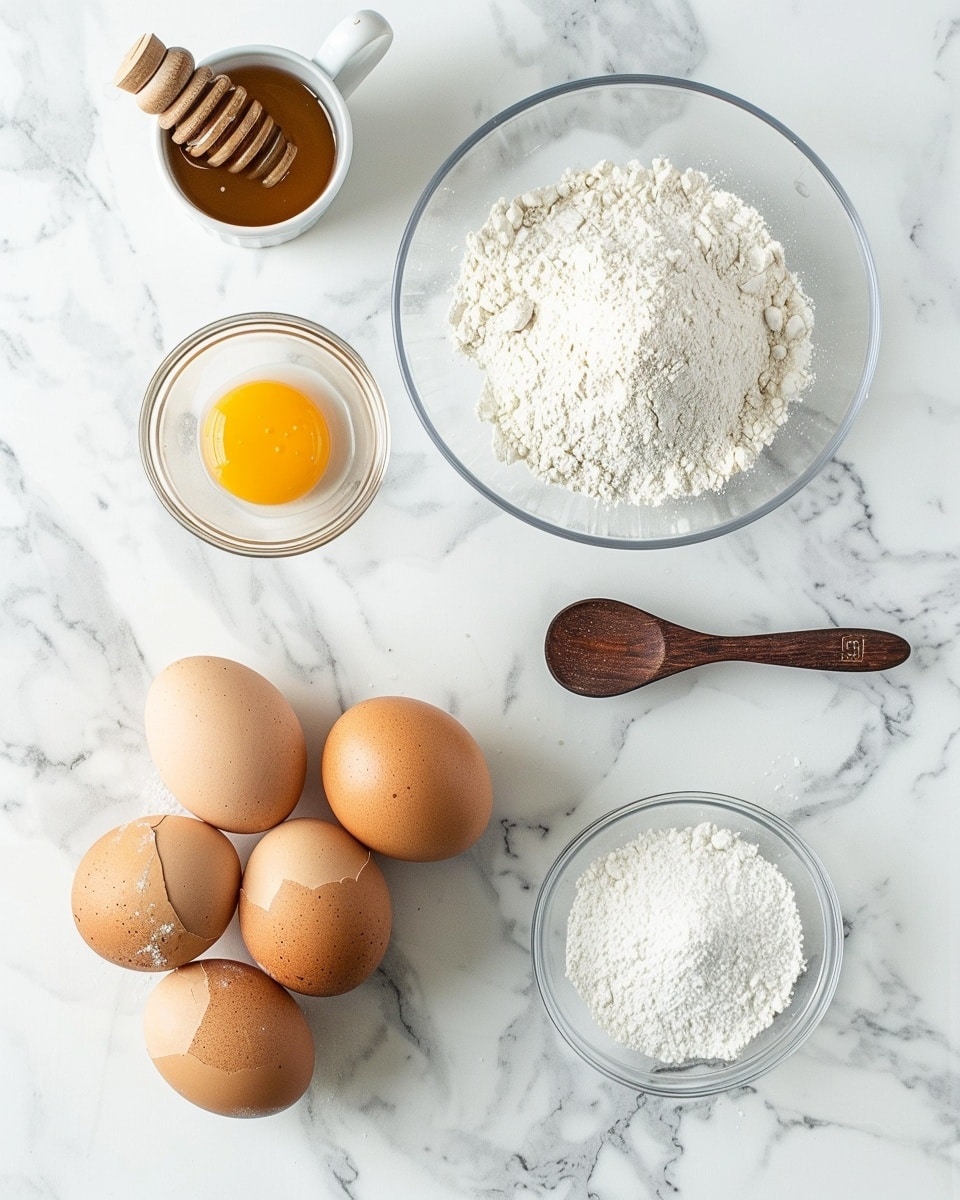
Gather the essentials for this timeless sweet treat: just a handful of ingredients that come together to create pure magic in the oven.
- 4 large eggs (room temperature): The foundation for the fluffy sponge, bringing structure and richness.
- ¾ cup sugar: Sweetens the cake while also helping to whip the eggs into that airy ribbon stage.
- 1 cup cake flour (sifted): Provides a fine, delicate crumb characteristic of castella.
- 2 tbsp honey: Adds a natural sweetness with aromatic depth and keeps the cake moist.
- 2 tbsp warm milk: Softens the batter, ensuring a tender texture.
- Optional flavor boosters: 1 tsp vanilla, 1 tbsp matcha powder, or 1 tbsp cocoa powder for personalized twists.
Ingredient Substitutions & Tips
- Honey: You can substitute with maple syrup or agave nectar for a slightly different yet equally lovely touch of sweetness.
- Cake Flour: If unavailable, make your own by mixing 1 cup all-purpose flour minus 2 tablespoons, replacing that with cornstarch for a lighter texture.
- Warm Milk: Feel free to swap with any plant-based milk like almond or oat for a dairy-free version.
- Matcha Powder: When adding matcha, use high-quality ceremonial grade for the best color and flavor.
👨🍳 Pro Tips for Perfect Results
- Use room temperature eggs: They whip better, capturing more air for fluffiness.
- Beat to ribbon stage: When you lift the whisk, the batter should fall slowly and form ribbons on the surface.
- Fold gently: Incorporate dry ingredients without deflating the batter to keep it light.
- Bake low and slow: Maintain a steady 320°F to develop an even golden crust and moist center.
- Rest overnight: Cooling upside down or wrapped in plastic lets moisture redistribute, perfecting the texture.
How to Make Easy Castella Cake Recipe | Soft & Fluffy Japanese Sponge Cake Recipe
Step 1: Prepare Pan & Oven
First things first: line your loaf pan with parchment paper for easy cake removal and preheat the oven to 320°F (160°C). This gentle heat is key to baking the cake evenly without drying it out.
💡 Pro Tip: Use a good-quality parchment paper and press it firmly into the pan corners for a neat shape.
Step 2: Whip Eggs & Sugar
This is the heart of the cake. Beat the eggs together with sugar until the mixture is pale, thick, and reaches the ribbon stage—a fluffy, velvety texture that holds its shape for a few seconds when drizzled.
💡 Pro Tip: Use a stand mixer or a hand whisk with good stamina; this step builds the airy structure.
Step 3: Add Honey Mixture
Stir your honey into warm milk so it blends smoothly, then fold this gently into your egg batter. The sweet aroma will start to awaken your senses, and this adds a moist, tender crumb to your cake.
💡 Pro Tip: Warm the milk just enough to easily dissolve the honey but not so hot that it cooks the eggs.
Step 4: Incorporate Flour
Slowly sift the cake flour over the mixture and fold it in carefully using a spatula. Be gentle to avoid knocking out the precious air bubbles that keep your cake cloud-like and soft.
💡 Pro Tip: Fold with a “cut-and-fold” method, turning the bowl while you work to keep it light and airy.
Step 5: Bake the Cake
Pour the batter into the prepared pan. The slow bake at 320°F for 50 to 60 minutes lets the cake develop that classic golden top and springy texture inside, rewarding your patience with perfect lightness.
💡 Pro Tip: Check the cake after 50 minutes with a skewer; it should come out clean but moist.
Step 6: Cool & Rest
Once baked, cool the cake upside down or wrap it tightly in plastic. This resting phase—ideally overnight—helps the cake settle, ensuring a smooth, moist crumb that’s simply divine.
💡 Pro Tip: Refrigerate wrapped to maintain freshness and develop flavor.
Common Mistakes to Avoid
Learn from these common pitfalls to get your castella just right:
- Under-beating the eggs: Not reaching the ribbon stage results in a dense, less fluffy cake.
- Overmixing the flour: This can deflate the batter, losing its lightness and making the cake heavy.
- Baking at too high a temperature: Leads to a browned crust but a dry interior.
- Skipping the resting period: Resting overnight drastically improves the cake’s texture and flavor.
- Using cold eggs: They don’t trap air effectively, reducing fluffiness.
- Not lining the pan properly: Makes removing the delicate cake tricky and can cause breakage.
Delicious Variations to Try
Once you’ve nailed the classic castella, why not explore these creative twists to keep things exciting?
Matcha Castella Cake
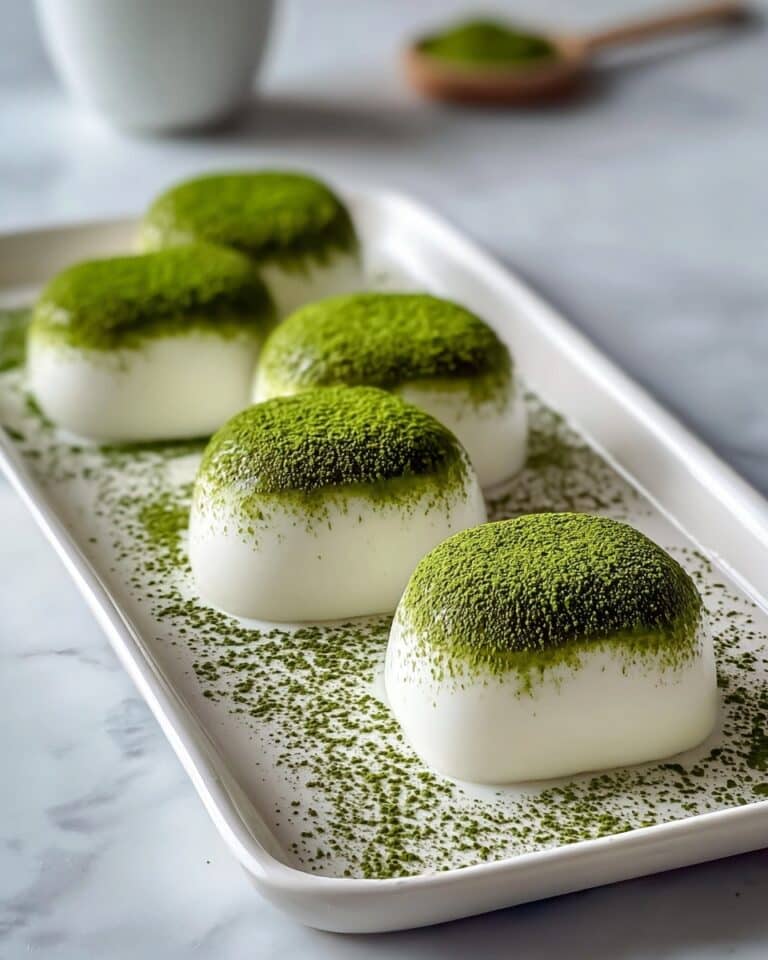
Blend in 1 tablespoon of matcha powder to the flour for a vibrant, earthy flavor. This adds a hint of green tea bitterness that balances the sweetness beautifully.
Cocoa Swirl Castella
Mix in 1 tablespoon of cocoa powder with part of the batter, then swirl it gently into the plain batter before baking for a lovely marbled look and chocolatey richness.
Vanilla Bean Delight
Infuse the warm milk with seeds from a vanilla bean pod or use 1 teaspoon of vanilla extract in place of the optional vanilla for a fragrant, aromatic castella.
Honey Citrus Castella
Add the zest of 1 lemon or orange into the batter along with the honey for a fresh and bright citrus note that livens up the cake.
Cherry Blossom Inspired Treat
For a delicate floral touch, try pairing this cake with flavors from our Cherry Blossom Japanese Sakura Cheesecake Recipe, which captures the essence of Japanese springtime.
How to Serve Easy Castella Cake Recipe | Soft & Fluffy Japanese Sponge Cake Recipe
Garnishes
A dusting of powdered sugar, a light spread of sweet red bean paste, or a sprinkle of toasted almonds make lovely enhancements, adding texture and subtle flavor contrasts.
Side Dishes
Serve alongside a steaming cup of green tea to recreate a peaceful Japanese tea time, or complement with fresh seasonal fruit for a refreshing balance.
Creative Ways to Present
Slice into neat rectangles and stack for a charming dessert tower, or serve with a dollop of whipped cream and a drizzle of honey for extra indulgence. For special occasions, pair beautifully with the creamy and delicate Matcha Panna Cotta Recipe for a complete Japanese dessert experience.
Make Ahead and Storage
Make-Ahead Instructions
You can bake the castella cake up to a day in advance and let it rest overnight wrapped tightly in plastic wrap to develop its luscious texture.
Storage
Store wrapped in the refrigerator for up to 3 days, ensuring it stays moist and fresh. Keep it airtight to avoid absorbing other flavors.
Freezing
This cake freezes well. Wrap slices individually in plastic wrap and place in an airtight container. Freeze for up to 1 month for convenient future treats.
Reheating
Thaw in the refrigerator overnight and warm gently in a low oven (about 275°F) for a few minutes to refresh the soft texture before serving.
Expert Tips for Success
- Always sift your cake flour: This prevents lumps and results in a finer crumb.
- Use a kitchen scale for accuracy: Baking is a science, and precision helps maintain texture and rise.
- Temper your honey milk mixture: Make sure it’s warm but not hot to preserve the egg’s structure.
- Keep an eye during baking: Ovens vary; check the cake from 50 minutes onward to avoid overbaking.
- Cool the cake inverted: This avoids shrinkage and keeps the texture tight and moist.
- Don’t rush the resting time: Overnight patience rewards you with a perfect bite.
- Experiment with flavors cautiously: Add matcha, vanilla, or cocoa in small amounts to keep the balance right.
Frequently Asked Questions
Can I use all-purpose flour instead of cake flour?
You can substitute all-purpose flour by replacing some with cornstarch to lighten it, but for the best soft texture, cake flour is recommended.
Why does my castella cake turn out dense?
Dense cake usually means the eggs weren’t beaten enough or the flour was mixed too vigorously, which deflates the batter’s air bubbles. Follow the ribbon stage and fold gently for best results.
Is it necessary to let the cake rest overnight?
While you can eat the cake soon after baking, resting overnight enhances moisture and softness, making the texture much more enjoyable.
Can I add flavors like matcha or cocoa?
Yes! Adding matcha powder or cocoa powder is a popular way to customize this recipe. Just fold them into the batter along with the flour.
How should I store leftover castella cake?
Wrap leftovers tightly in plastic wrap and refrigerate for up to 3 days or freeze for longer storage. Always thaw gently before serving.
Can I make this cake vegan or dairy-free?
This recipe relies on eggs for structure, so making a vegan version would require significant changes. However, you can easily swap dairy milk for plant-based milks to accommodate dietary needs.
What pan size is best for this recipe?
A standard loaf pan lined with parchment works perfectly to give your castella its iconic tall, rectangular shape.
Final Thoughts
There’s a special joy in making this Easy Castella Cake Recipe | Soft & Fluffy Japanese Sponge Cake Recipe. From whipping those eggs to the anticipation as it bakes low and slow, every step feels like a little act of love. When you finally taste that light, tender crumb infused with honeyed warmth, you realize how simple ingredients, thoughtful technique, and patient rest combine to create something unforgettable. Treat yourself and your loved ones to this classic slice of Japanese comfort—it’s a recipe destined to become a treasured favorite in your kitchen.
Related Recipes You’ll Love
If you enjoyed this recipe, you’ll also love these delicious recipes:
- Cherry Blossom Japanese Sakura Cheesecake Recipe – Foodarohub – Dive into the delicate floral flavors of sakura with this creamy Japanese classic, perfect for spring celebrations.
- Matcha Panna Cotta Recipe – Foodarohub – Indulge in a smooth, earthy dessert where rich cream meets vibrant matcha, a perfect companion for your castella cake.
Related Recipes You’ll Love
If you enjoyed this recipe, you’ll also love these delicious recipes:
- Homemade Matcha Cheesecake Daifuku Recipe – Foodarohub – Experience the chewy delight of daifuku filled with luscious matcha cheesecake, a captivating Japanese fusion dessert.
Easy Castella Cake Recipe | Soft & Fluffy Japanese Sponge Cake Recipe
This Easy Castella Cake Recipe delivers a soft and fluffy Japanese sponge cake with a delicate sweetness and airy texture. Perfect for a simple yet elegant dessert, it requires minimal ingredients and gentle folding techniques for a light finish.
- Prep Time: 20 minutes
- Cook Time: 50 minutes
- Total Time: 13 hours 10 minutes
- Yield: 10 servings 1x
- Category: Dessert
- Method: Baking
- Cuisine: Japanese
- Diet: Vegetarian
Ingredients
Ingredients
- 4 large eggs (room temperature)
- ¾ cup sugar
- 1 cup cake flour (sifted)
- 2 tbsp honey
- 2 tbsp warm milk
- Optional: 1 tsp vanilla, 1 tbsp matcha powder, or 1 tbsp cocoa powder
Instructions
- Prepare Pan & Oven Line loaf pan with parchment paper. Preheat oven to 320°F (160°C).
- Whip Eggs & Sugar Beat eggs and sugar until pale, thick, and at ribbon stage. This creates the airy structure.
- Add Honey Mixture Mix honey with warm milk. Fold gently into egg mixture.
- Incorporate Flour Sift cake flour. Fold in gradually with a spatula, being careful not to deflate the batter.
- Bake the Cake Pour batter into pan. Bake low and slow for 50–60 minutes until golden and springy.
- Cool & Rest Cool upside down or wrap in plastic. Rest overnight for best texture.
Notes
- Resting overnight improves cake texture.
- Be gentle folding to avoid deflating the batter.
- Optional flavor variations include vanilla, matcha powder, or cocoa powder.
Keywords: Japanese Castella Cake, Soft Sponge Cake, Easy Castella Recipe, Japanese Dessert, Fluffy Cake