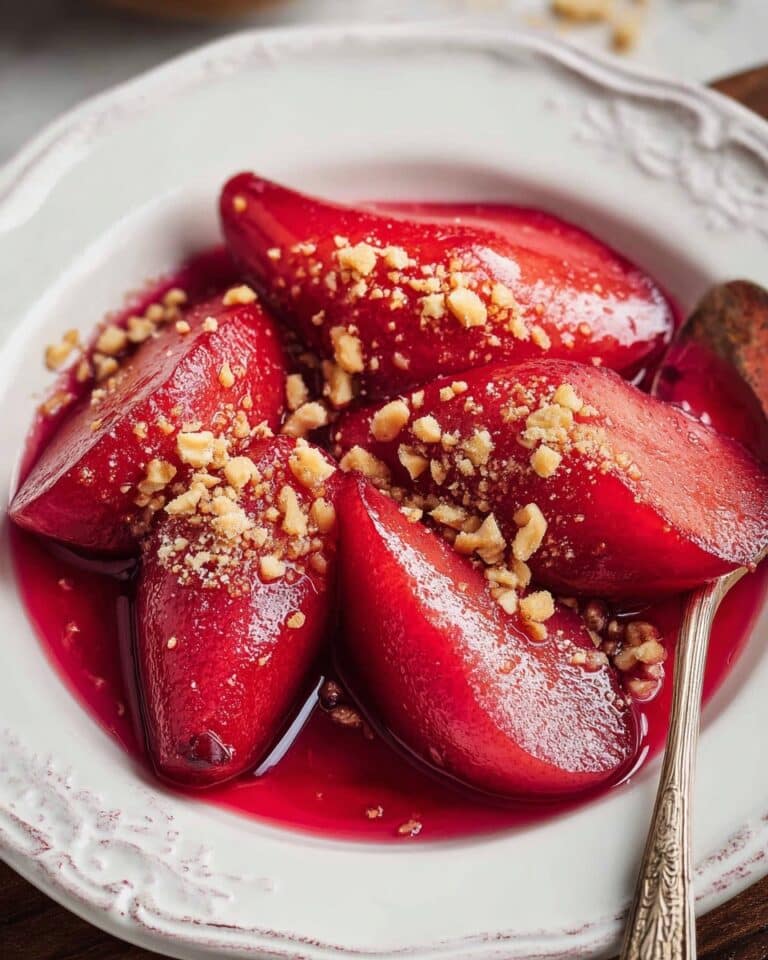
Greek Orange Semolina Cake Recipe
I never thought I’d find a Greek Orange Semolina Cake recipe easier than this one—imagine biting into a moist, fragrant slice where the subtle grainy texture of semolina meets the fresh zing of orange and warm whispers of cinnamon. The aroma itself will fill your kitchen with an inviting glow, promising a dessert that’s both comforting and delightfully vibrant. This cake is soaked in a luscious orange syrup, making every mouthful irresistibly juicy and tender.
Why You’ll Love This Greek Orange Semolina Cake Recipe
- Moist and flavorful: The combination of Greek yogurt and semolina creates an incredibly tender crumb that’s bursting with vibrant orange notes and a touch of cinnamon warmth.
- Simple ingredients: Made using common pantry staples and fresh oranges, this recipe is surprisingly straightforward but delivers a complex, delightful flavor.
- Perfect for special occasions: This cake’s impressive syrup-soaking technique and beautiful orange slices make it a radiant centerpiece to any dessert table.
- Unique texture: Thanks to the fine semolina, this cake has a gentle graininess that adds character without overpowering the citrus tang.
- Customizable: You can easily tweak the syrup or decoration to suit your taste or occasion, making it a versatile crowd-pleaser.
Why This Greek Orange Semolina Cake Recipe Works
This Greek Orange Semolina Cake recipe shines because it uses Greek yogurt instead of butter, which lends the cake a rich yet moist texture without heaviness. The combination of semolina and self-raising flour ensures a tender crumb with just the right bite. Pouring a homemade orange and cinnamon syrup over the hot cake and then letting it absorb fully in the oven is the secret to that unforgettable juicy softness. The syrup infuses every crumb with natural citrus sweetness enhanced by cinnamon’s cozy spice, elevating the entire dessert experience.
Ingredients You’ll Need
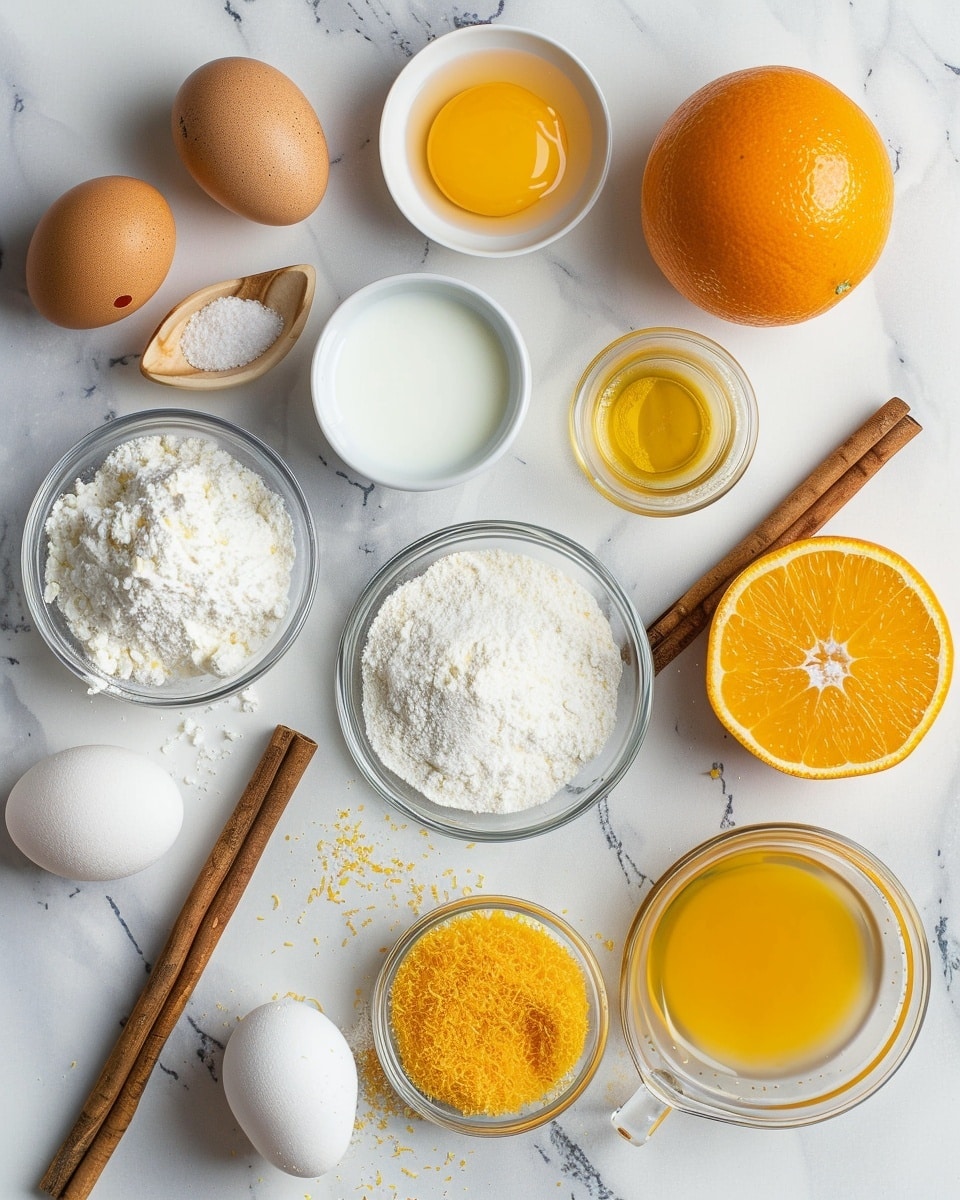
Gather the flavors of the Mediterranean with this delightful mix of ingredients—fresh oranges, Greek yogurt, aromatic cinnamon, and hearty semolina—each playing its part in crafting an authentic and unforgettable cake.
- Sugar (500 grams / 2½ cups) for the syrup: Provides the perfect sweetness to balance the citrus.
- Water (250 ml / 1 cup) for the syrup: Creates the base for simultaneously absorbing and flavoring the cake.
- Fresh orange juice (250 ml / 1 cup) for the syrup: Imparts that bright, zesty tang essential to the flavor profile.
- Cinnamon stick: Adds warm, fragrant notes that transform the syrup into something magical.
- Two orange cups/orange halves from squeezed oranges: They’re used both in syrup and as a decorative touch on the cake.
- Sugar (250 grams / 1 ¼ cups) for the cake: Sweetens the batter just right to complement the syrup’s tang.
- Five medium-sized eggs: Provide structure while enriching the cake’s texture.
- Greek yogurt (300 grams / 1¼ cups): Keeps the cake moist and tender with its creamy richness.
- Orange zest: Packs a punch of fresh citrus aroma boosting the orange flavor.
- Corn or sunflower oil (160 ml / ⅔ cup): Binds everything smoothly without overpowering flavors.
- Fresh orange juice (160 ml / ⅔ cup) for the cake: Enhances citrus brightness baked into the cake.
- Vanilla extract (1 teaspoon): Adds subtle depth and warmth to the overall taste.
- Self-raising flour (180 grams / 1½ cups): Provides lift and tenderness.
- Fine semolina (200 grams / 1 cup + 2 tablespoons): Gives that unique texture and body essential to Greek semolina cake.
Ingredient Substitutions & Tips
- Greek yogurt: If you can’t find Greek yogurt, use plain yogurt strained through a cheesecloth for a similar thick texture.
- Corn or sunflower oil: A mild olive oil works well too and adds a light Mediterranean touch.
- Self-raising flour: You can substitute with all-purpose flour plus 1 ½ teaspoons of baking powder if needed.
- Fresh orange juice: Fresh is best, but high-quality bottled juice will do in a pinch.
👨🍳 Pro Tips for Perfect Results
- Beat eggs and sugar well: Use a high-speed mixer to get a frothy and pale mixture that adds airiness to the cake.
- Add oil slowly: Pouring oil in a threadlike stream while mixing helps create a smooth, well-incorporated batter.
- Don’t overmix the flour and semolina: Once combined, stopping the mixer preserves a tender crumb.
- Use a 23 x 33 cm baking pan: This size ensures even baking and proper syrup absorption.
- Leave the syrup-soaked cake in the oven with the door open: This trick helps the syrup saturate the cake deeply and evenly.
How to Make Greek Orange Semolina Cake Recipe
Step 1: Make The Syrup
First, scoop out the inside of the orange halves carefully to remove any leftover pulp and residual white pith. Place these orange cups, sugar, water, fresh orange juice, and a cinnamon stick into a saucepan. Bring this mixture to a lively boil over high heat. Once boiling, let it bubble gently for 5 to 6 minutes until the syrup thickens slightly—this syrup will later transform your cake into a moist delight.
💡 Pro Tip: Timing starts the moment the syrup boils, so stay attentive to reach that perfect thickness.
Step 2: Make The Cake
While the syrup cools, preheat your oven to 175°C (350°F). Mix semolina and self-raising flour in a bowl to prepare the dry base. In another, combine Greek yogurt, orange zest, fresh orange juice, and vanilla extract—these wet ingredients will bring vibrant flavor into the cake batter. Next, whip eggs with sugar until this mixture becomes frothy, thickened, and noticeably lighter in color—this step introduces wonderful airy texture.
Drizzle the oil slowly while whisking to incorporate it seamlessly. Fold in the yogurt mixture, then gently add your dry flour and semolina mix bit by bit, blending until smooth but not overworked. Transfer this luscious batter to a lightly oiled 23 x 33 cm pan, ready for baking.
💡 Pro Tip: Use oil spray or brush for even coverage; it prevents sticking without adding heaviness.
Step 3: Bake and Syrup the Cake
Bake the cake for around 25 to 30 minutes until a toothpick inserted near the center comes out clean—watch as the edges turn a beautiful golden hue. Right out of the oven, ladle your homemade orange-cinnamon syrup generously over the cake. Slide the cake back into the oven with the door slightly propped open so it can soak up every drop of syrup deeply.
💡 Pro Tip: This slow syrup absorption is key to achieving that moist, tender crumb Greek semolina cakes are famous for.
Step 4: Garnish and Chill
Thinly slice the orange cups used in the syrup and scatter them over the top as elegant decoration. Cut the cake into 15 generous squares once slightly cooled. Refrigerate for 4 to 6 hours to allow flavors to meld and the texture to set perfectly before serving.
💡 Pro Tip: Cooling the cake ensures the syrup has time to soak in fully, enhancing every bite.
Common Mistakes to Avoid
Learn from these common pitfalls:
- Under-beating eggs and sugar: Leads to a dense cake rather than a light, airy texture.
- Adding oil too quickly: Can break the batter’s emulsion, making the texture uneven.
- Overmixing the batter after adding dry ingredients: Develops gluten and results in a tough cake.
- Not pouring syrup while the cake is hot: Makes it hard for syrup to soak in properly.
- Skipping the cooling step: Serving too soon prevents the flavors from fully developing and sets the syrup.
- Using unfiltered orange juice with pulp: Can affect the smoothness of the cake and syrup.
Delicious Variations to Try
Once you’ve mastered this classic Greek Orange Semolina Cake recipe, why not give these tempting twists a go?
Orange and Almond Twist
Add 100 grams of finely chopped almonds or almond meal to the batter for a crunchy contrast that pairs beautifully with the citrus.
Cinnamon and Clove Syrup
Experiment by adding a few cloves to your syrup along with the cinnamon stick for a spicier, deeper flavor profile.
Orange Blossom and Honey Syrup
Replace a portion of the sugar in the syrup with mild honey and add a teaspoon of orange blossom water for an elegantly floral finish. For a similarly sweet Greek delight, try pairing with our Moist Greek Honey Cake Recipe for a complementary treat.
Chocolate-Dipped Semolina Cake
After the cake has cooled, dip individual slices halfway into melted dark chocolate and allow to set for a luxurious twist on tradition.
Lemon-Orange Hybrid
Substitute half the fresh orange juice with lemon juice in both the batter and syrup for a sharper citrus kick.
How to Serve Greek Orange Semolina Cake Recipe

Garnishes
Brighten each slice with thin orange slices, a dusting of powdered sugar, or a light sprinkle of finely chopped pistachios for color and texture.
Side Dishes
This cake pairs wonderfully with a dollop of whipped cream, a scoop of vanilla ice cream, or even alongside a cup of strong Greek coffee — a perfect balance of flavors and sensations. For even more Greek dessert inspiration, consider serving it alongside a serving of authentic Greek Baklava.
Creative Ways to Present
Arrange slices on a rustic wooden board or a colorful ceramic platter, adding fresh mint leaves and edible flowers for a festive touch. Individual portions in pretty dessert dishes invite guests to appreciate its aromatic beauty before diving in.
Make Ahead and Storage
Make-Ahead Instructions
You can prepare the cake and syrup a day in advance, refrigerate after soaking with syrup, and garnish just before serving for a hassle-free dessert on your special day.
Storage
Keep the cake covered tightly in the refrigerator. It will stay moist and delicious for up to 3 days.
Freezing
This cake doesn’t freeze well due to the syrup, which can alter texture upon thawing. It’s best enjoyed fresh to fully savor its intended moisture and flavor.
Reheating
If desired, gently warm slices in the microwave for 15 to 20 seconds before serving to revive the orange aroma and slightly soften the cake.
Expert Tips for Success
- Use fresh, unwaxed oranges for the best zest and flavor.
- Measure semolina and flour accurately using a kitchen scale or spoon-and-level method.
- Do not rush syrup-making: Allow it to reach the right thickness to avoid a watery soaking.
- Use room temperature eggs to help them whip up lighter and fluffier.
- Gently fold dry ingredients: This avoids toughening the cake’s crumb.
- Be patient during cooling: Give the cake time to fully absorb syrup and chill for optimal texture.
Frequently Asked Questions
Can I make this cake gluten-free?
You can substitute the self-raising flour with a gluten-free baking mix designed for cakes but keep the semolina, noting that traditional semolina is wheat-based.
Is Greek yogurt necessary for this recipe?
Greek yogurt provides moisture and a slight tang essential to the authentic texture; if unavailable, use thick plain yogurt strained overnight.
Can I use bottled orange juice?
Freshly squeezed orange juice is recommended for vibrant flavor, but if using bottled juice, choose 100% pure with no added sugar or preservatives.
How long should I refrigerate the cake before serving?
Refrigerate the cake for 4 to 6 hours after syrup soaking for the best flavor and moist texture.
What is fine semolina, and can I use coarse semolina?
Fine semolina has a smooth texture perfect for cakes; coarse semolina is grainier and better suited for pasta or puddings. Using fine semolina is key here.
Can I make this recipe vegan or dairy-free?
This recipe relies on eggs and Greek yogurt, but you could experiment using plant-based yogurt and egg substitutes, though texture and flavor will vary.
Why should I leave the cake in the oven with the door open after adding syrup?
This method allows the syrup to absorb gradually without cooling the cake too quickly, resulting in a deeply moist and flavorful dessert.
Final Thoughts
Baking this Greek Orange Semolina Cake recipe is like inviting a slice of Mediterranean sunshine right into your home. The tender, syrup-soaked cake with its bright citrus aroma and gentle cinnamon warmth will enchant your senses with every bite. Whether you’re sharing it with family or surprising guests with something authentically delicious, this cake offers both comfort and sophistication. Take your time to savor every step of the process — from whipping the fluffy batter to watching the syrup soak in, then enjoy that memorable first forkful. I can’t wait for you to try it and fall in love just like I did!
Related Recipes You’ll Love
If you enjoyed this recipe, you’ll also love these delicious recipes:
- New York Cheesecake Recipe – Foodarohub – A rich and creamy classic American cheesecake guaranteed to satisfy any dessert craving with its silky texture and buttery crust.
Greek Orange Semolina Cake Recipe

This Greek Orange Semolina Cake is a moist and fragrant citrusy dessert made with Greek yogurt for a creamy, buttery texture without butter. It’s soaked in a sweet orange syrup and topped with fresh orange slices for a delightful treat.
- Prep Time: 20 minutes
- Cook Time: 35 minutes
- Total Time: 6 hours 55 minutes
- Yield: 15 pieces 1x
- Category: Dessert
- Method: Baking
- Cuisine: Greek
- Diet: Vegetarian
Ingredients
For The Syrup:
- 500 grams (2½ cups) sugar
- 250 ml (1 cup) water
- 250 ml (1 cup) fresh orange juice
- 1 cinnamon stick
- 2 orange cups/orange halves from squeezed oranges
For The Cake:
- 250 grams (1 ¼ cups) sugar
- 5 medium-sized eggs
- 300 grams (1¼ cups) Greek yogurt
- 1 orange zested
- 160 ml (⅔ cup) corn or sunflower oil
- 160 ml (⅔ cup) fresh orange juice
- 1 teaspoon vanilla extract
- 180 grams (1½ cups) self-raising flour
- 200 grams (1 cup + 2 tablespoons) fine semolina (not flour)
Instructions
- Make The Syrup: Scoop the insides of the 2 orange cups (orange halves) with a spoon to remove any remaining pulp and as much as possible from the white part. Add all the ingredients for the syrup (including the orange cups) to a small cooking pot or large saucepan. Bring to a boil over high heat. Cook the syrup for 5-6 minutes until slightly thickened. Time counts from the moment it starts to boil and bubble. Take off the heat and set aside.
- Make The Cake: Preheat the oven to 175°C / 350°F. Combine semolina and self-raising flour. Mix yogurt, orange zest, orange juice, and vanilla extract in a bowl. Set aside. Beat eggs and sugar until frothy, thickened, and turn whitish in color. To do this, use your electric mixer with the whisk attachment on, at high speed. Pour oil threadlike into the eggs while beating. Add the yogurt mixture. Incorporate the flour-semolina mixture gradually. Once fully combined, turn off the mixer, don’t overmix. Spray or brush a 23 x 33 cm (13 x 9-inch) baking pan with oil. Transfer the cake batter to the pan. Bake for approximately 25-30 minutes or until a toothpick inserted in the center of the cake comes out clean. Ladle the syrup over the cake. And leave it inside the oven with the oven’s door open until it absorbs all of the syrup. Thinly slice the orange cups and sprinkle them over the cake to decorate. Cut the cake into 15 pieces. Let the cake cool to room temperature, then refrigerate for 4-6 hours and serve!
Notes
- Let the cake cool to room temperature, then refrigerate for 4-6 hours before serving for best flavor and texture.
- Use Greek yogurt instead of butter to achieve a creamy, buttery-thick texture without butter.
- Do not overmix the batter once the flour and semolina are added to keep the texture light.
Keywords: Greek orange semolina cake, citrus semolina cake, Greek yogurt cake, syrup soaked cake, orange zest cake