Perfectly Fried Scotch Eggs Recipe
I never thought I’d find a Scotch eggs recipe easier and more delicious than this one. The moment the sizzling oil hits the breadcrumb crust, your kitchen fills with the irresistible scent of golden fried goodness. When you bite into each perfectly fried Scotch egg, the juicy sausage marries the tender egg inside, creating a symphony of comforting textures and flavors that feel like a warm hug.
Why You’ll Love This Perfectly Fried Scotch Eggs Recipe
- Classic Flavor Explosion: Savor the harmonious blend of seasoned breakfast sausage wrapped around your choice of soft or hard-boiled eggs, delivering a juicy and savory bite every time.
- Simple Ingredients: With staples like all-purpose flour, paprika, and everyday breakfast sausage, this recipe avoids any complex shopping lists and welcomes cooks of all levels.
- Perfect for Snack or Meal: Whether you’re looking for a hearty snack or a satisfying light meal, these Scotch eggs are exceptionally versatile and filling.
- Impressive Presentation: The crisp golden breadcrumb exterior hides the beautiful egg inside, making it an eye-catching centerpiece for any gathering.
- Customizable Cooking Time: Decide on soft or hard yolks by adjusting boiling time, so you can tailor each Scotch egg exactly how you love it.
Why This Perfectly Fried Scotch Eggs Recipe Works
This recipe shines by marrying several essential techniques and quality ingredients. Wrapping the sausage tightly around peeled eggs ensures a juicy center without any splits during frying. Setting up a classic breading station with seasoned flour, beaten eggs, and breadcrumbs results in an unbeatable crunchy shell. Frying in vegetable oil heated to a precise 350°F locks in moisture while producing that irresistible golden crust. The method embraces tradition while offering room for your own preferences, like yolk softness and seasoning tweaks, guaranteeing consistent, mouthwatering results.
Ingredients You’ll Need
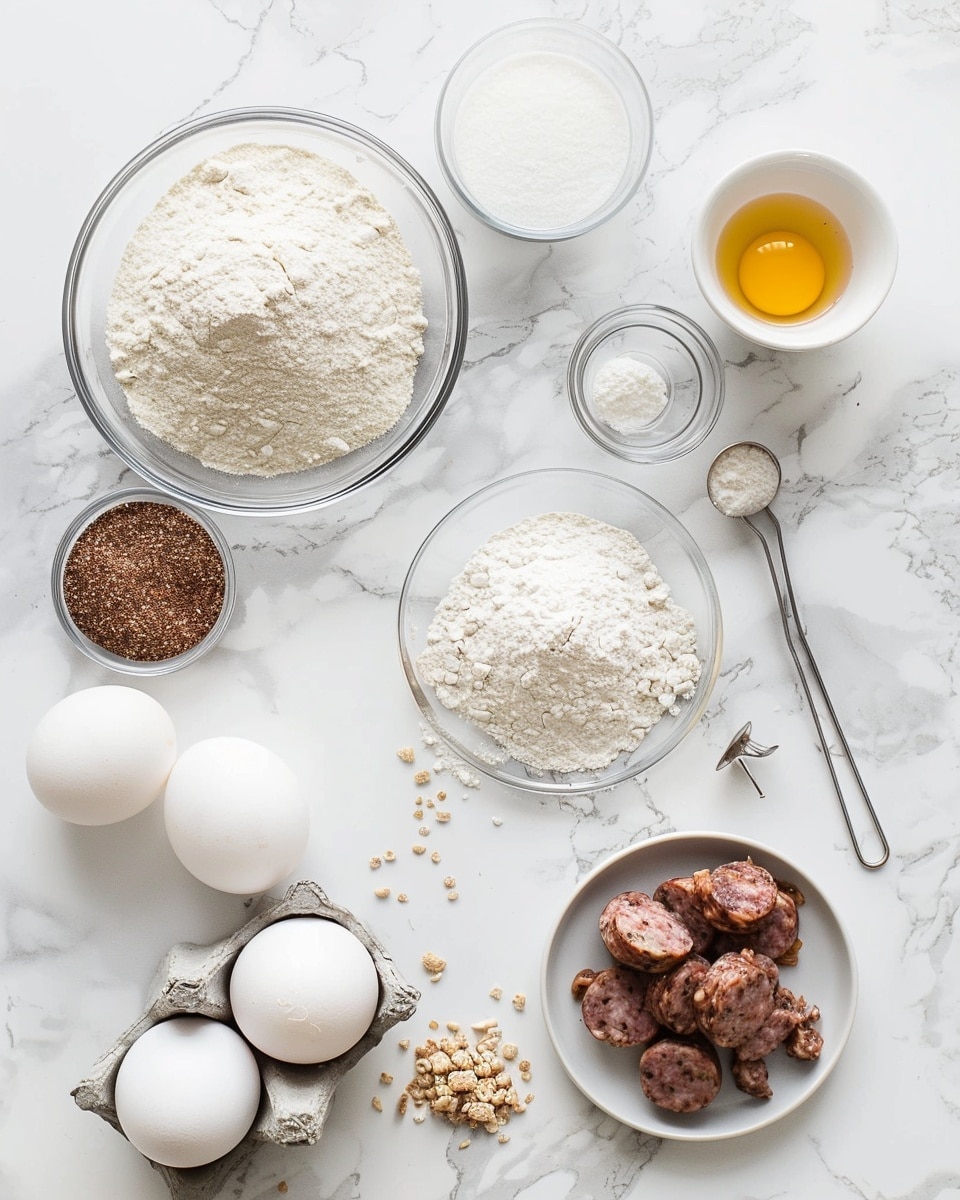
Grab your kitchen staples and some hearty breakfast sausage to craft these show-stopping Scotch eggs. The balanced mix of spices and coatings promises a tempting combination of crispy crust and flavorful filling.
- 4 large eggs: The star of the dish, boiled to your preferred softness for perfectly creamy or firm yolks.
- 2 large eggs (beaten): This sticky layer helps the breadcrumbs cling to each sausage-covered egg flawlessly.
- ½ cup all-purpose flour: Seasoned to add a delicate savory flavor and prepare the surface for breading.
- 1 teaspoon salt: Essential seasoning that enhances every bite’s depth.
- ½ teaspoon black pepper: Adds a gentle, warming kick.
- ½ teaspoon sweet paprika: Contributes subtle smokiness and color to the coating.
- 1 cup breadcrumbs: Creates that satisfying crispy crust on the outside of the Scotch eggs.
- 1 pound breakfast sausage: The flavorful wrapper that locks in the egg’s juiciness.
- Vegetable oil (for frying, about 2 inches deep): Provides the perfect frying medium to achieve golden crunch.
Ingredient Substitutions & Tips
- Breakfast sausage: Use ground chicken or turkey sausage for a lighter twist that still packs flavor.
- Breadcrumbs: Swap with panko for an extra-crispy texture or gluten-free breadcrumbs if preferred.
- Sweet paprika: Try smoked paprika for a richer, deeper taste without overpowering.
- Vegetable oil: Alternatives like canola or sunflower oil work well for frying with a mild flavor.
👨🍳 Pro Tips for Perfect Results
- Seal the sausage well: Ensure no gaps around the egg to prevent leakage and splitting during frying.
- Ice bath is key: Cooling eggs rapidly stops cooking and makes peeling easier.
- Set up your breading station: This assembly line speeds up the coating process and keeps things neat.
- Maintain oil temperature: Keep the oil steady at 350°F to get even, golden frying without greasy spots.
- Rest before cutting: Let the Scotch eggs cool slightly for cleaner slices and perfect texture.
How to Make Perfectly Fried Scotch Eggs Recipe
Step 1: Boil the Eggs
Place four large eggs in cold water and bring them to a gentle boil. For soft-boiled, simmer for 4 to 5 minutes; if you prefer hard-boiled, allow 7 to 8 minutes. Quickly transferring them to an ice bath will stop the cooking and make peeling a breeze.
💡 Pro Tip: Timing is everything here—set a timer to nail your desired yolk texture every time.
Step 2: Prepare the Coating Station
This step is crucial because it creates the perfect trio of layers: seasoned flour, beaten eggs, and breadcrumbs. Combine flour with salt, black pepper, and sweet paprika, then arrange your bowls side by side for an efficient breading workflow.
💡 Pro Tip: Seasoning the flour ensures every bite bursts with flavor, not just the sausage.
Step 3: Form Sausage Patties Around Eggs
Divide your breakfast sausage into four equal pieces, flatten them into sizable patties, then gently encase each peeled egg. The secret lies in sealing the sausage completely around the egg to keep all the juicy goodness locked in.
💡 Pro Tip: Slightly moisten your hands with water to help shape the sausage smoothly without sticking.
Step 4: Bread the Sausage-Wrapped Eggs
First, roll each sausage-wrapped egg in the seasoned flour, then dip into beaten eggs to coat. Finally, smother them in breadcrumbs, making sure every inch is covered for maximum crunch.
💡 Pro Tip: Press breadcrumbs lightly for thicker crust layers—this will yield glorious crisp bites.
Step 5: Fry the Scotch Eggs
Heat vegetable oil to 350°F in a deep pan. Gently lower each breaded Scotch egg and fry, turning occasionally, until they achieve a deep golden brown—about 5 to 6 minutes. This step gives you that iconic crispiness with juicy interior.
💡 Pro Tip: Use tongs carefully to avoid breaking the eggs during the turn.
Step 6: Drain and Cool
Lift the Scotch eggs from the oil with a slotted spoon and place on paper towels to drain excess fat. Let them cool slightly so you can enjoy perfect texture and flavor when serving.
💡 Pro Tip: Cooling just a bit helps the sausage firm up for cleaner, neater slices.
Common Mistakes to Avoid
Learn from these common pitfalls:
- Under-sealing the sausage: Leads to the sausage splitting open during frying, losing juices and crispiness.
- Overcooking or undercooking eggs: Timing is delicate; overboiling wastes that creamy yolk, undercooking makes peeling tough.
- Skipping the ice bath: Your eggs may continue cooking and become rubbery, plus peeling becomes a chore.
- Uneven breading: Inconsistent coating can cause soggy or burnt spots on the crust.
- Oil temperature too low or too high: Low temps soak oil into Scotch eggs; too high burns the crust before sausage cooks through.
- Not resting before slicing: Causes messy, crumbly cuts and loss of filling juices.
Delicious Variations to Try
Once you’ve mastered the classic version, why not experiment with these wholesome twists to make this recipe your own?
Herbed Sausage Scotch Eggs
Add fresh chopped parsley, thyme, or rosemary to the sausage mix for an aromatic lift that pairs beautifully with the crispy coating.
Spicy Scotch Eggs
Incorporate chili flakes or cayenne pepper into your seasoning mix for a fiery kick that wakes up your taste buds without overpowering the rich flavors.
Cheese-Stuffed Scotch Eggs
Place a small cube of mild cheese like mozzarella or cheddar inside the sausage layer for a melty surprise when you bite in.
Gluten-Free Scotch Eggs
Swap the all-purpose flour and breadcrumbs for gluten-free alternatives to keep this snack inclusive and just as delicious.
Pair with Zucchini Snacks
Serve alongside our Chicken, Cheese, and Zucchini Muffins for a hearty snack combo or add the crunch of Crispy Baked Keto Zucchini Fries to round out your platter.
How to Serve Perfectly Fried Scotch Eggs Recipe
Garnishes
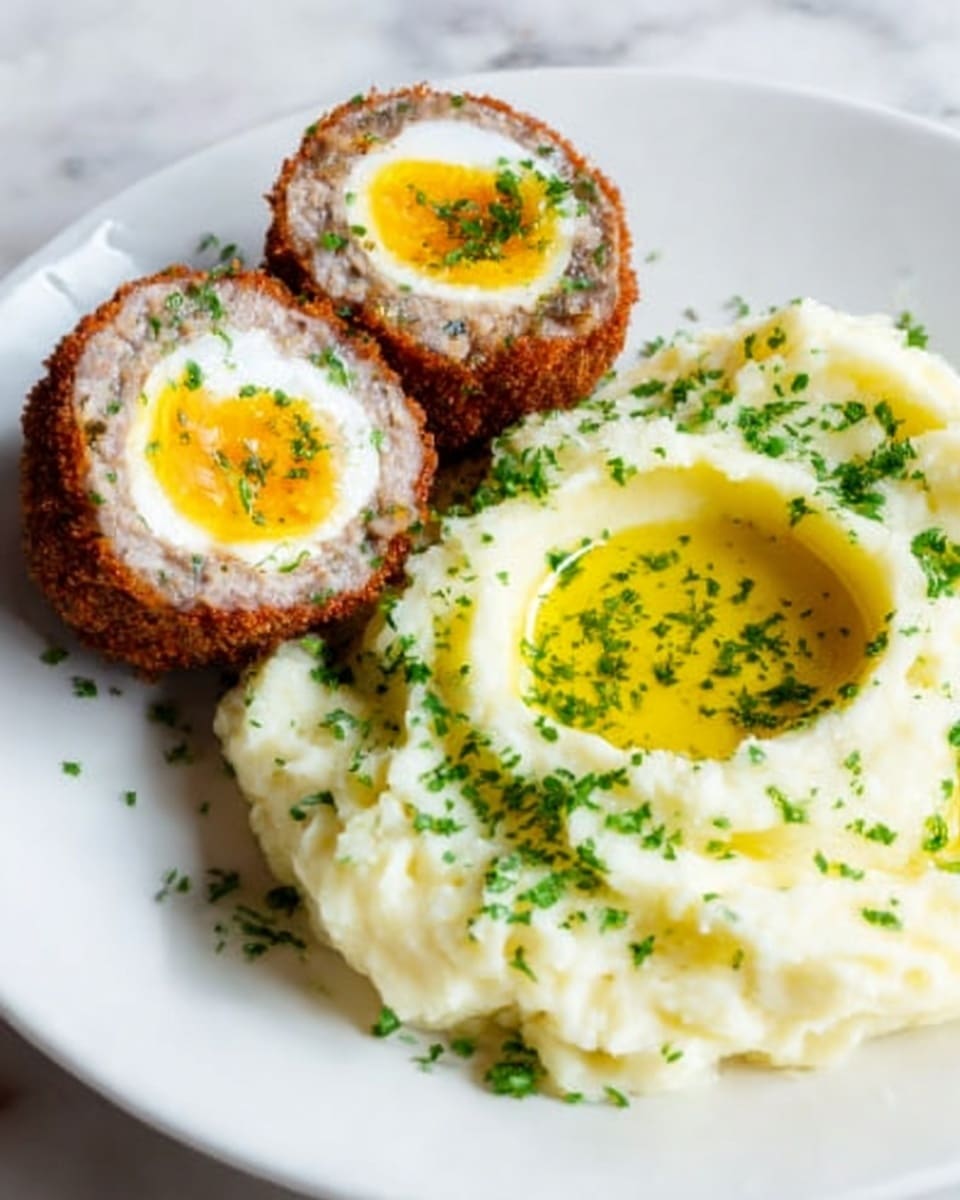
Brighten your Scotch eggs with a sprinkling of freshly chopped parsley or a drizzle of tangy mustard or aioli to complement the savory layers.
Side Dishes
Offer a simple green salad or pickled vegetables to balance the richness. Roasted root vegetables or a light coleslaw add texture contrasts that delight.
Creative Ways to Present
Slice your Scotch eggs in half to reveal their stunning cross-section on a rustic wooden board for visual appeal. Pair with small bowls of dipping sauces such as spicy ketchup, honey mustard, or chutney to elevate your snack experience.
Make Ahead and Storage
Make-Ahead Instructions
Prepare the Scotch eggs up to the frying stage and refrigerate them wrapped in parchment paper for up to 24 hours before frying fresh to retain maximum crispiness.
Storage
Store cooked Scotch eggs in an airtight container in the fridge for up to 3 days. They make fantastic leftovers that reheat well.
Freezing
You can freeze cooked Scotch eggs wrapped tightly in plastic wrap and stored in a freezer-safe bag for up to 1 month. Thaw overnight in the fridge before reheating.
Reheating
Reheat Scotch eggs in a 350°F oven for 10-15 minutes to restore their crispy crust without drying out the sausage.
Expert Tips for Success
- Use a deep-frying thermometer: This ensures the oil stays at the ideal 350°F for uniform frying.
- Peel eggs gently: Tap eggs lightly and peel under running water to keep surfaces smooth.
- Do not overcrowd the frying pan: Fry in batches to maintain oil temperature and even cooking.
- Customize your spice blend: Experiment with herbs and spices in the flour for personalized flavor profiles.
- Dry your sausage patties slightly: This helps create a better bond to the eggs.
- Use fresh sausage: For juicy, tender wrapping without dryness or toughness.
- Rest after frying: Let the eggs sit for a few minutes before slicing to keep the filling intact.
Frequently Asked Questions
Can I use frozen eggs for this recipe?
It’s best to use fresh eggs for boiling and peeling, as frozen eggs don’t peel well and may affect texture.
How do I know when the sausage is cooked through?
Frying at 350°F for 5-6 minutes while turning regularly ensures the sausage reaches a safe temperature and stays juicy.
Can I bake the Scotch eggs instead of frying?
Baking is possible but won’t yield the same crispy exterior. Frying gives the classic crunchy crust that makes this recipe special.
What kind of sausage should I use?
A mild breakfast sausage works perfectly, but feel free to try spiced varieties if you want more boldness.
Is it important to season the flour?
Yes, seasoning the flour adds subtle layers of flavor that enhance the overall taste of your Scotch eggs.
Can the Scotch eggs be served cold?
Absolutely! They make a delicious cold snack or picnic treat, with sausage flavor and texture still shining.
How do I reheat Scotch eggs to keep them crispy?
Reheating in the oven at 350°F for 10-15 minutes is best to refresh that delightful crunch.
Final Thoughts
There’s something deeply satisfying about creating perfectly golden Scotch eggs, with their crisp exterior and luscious sausage layer encasing tender eggs. This recipe invites you to savor those classic British flavors with kitchen-tested methods that deliver every time. Whether enjoyed warm or cold, these Scotch eggs provide comfort, nourishment, and a bit of nostalgic joy in each bite. So grab your ingredients, roll up your sleeves, and dive into making this savory treasure that’s sure to become a treasured favorite!
Related Recipes You’ll Love
If you enjoyed this recipe, you’ll also love these delicious recipes:
- Easy Quesadilla Recipe (Customize with Any Filling!) Recipe – Foodarohub – A quick and versatile snack that you can fill with just about anything, perfect for customizing your cravings.
Perfectly Fried Scotch Eggs Recipe

These Perfectly Fried Scotch Eggs feature hard-boiled eggs wrapped in seasoned sausage, coated in a crispy breadcrumb crust, and fried to golden perfection for a delicious and satisfying treat.
- Prep Time: 25 minutes
- Cook Time: 6 minutes
- Total Time: 1 hour 31 minutes
- Yield: 4 servings 1x
- Category: Snack
- Method: Frying
- Cuisine: British
Ingredients
Ingredients
- 4 large eggs
- 2 large eggs (beaten)
- ½ cup all-purpose flour
- 1 teaspoon salt
- ½ teaspoon black pepper
- ½ teaspoon sweet paprika
- 1 cup breadcrumbs
- 1 pound breakfast sausage
- Vegetable oil (for frying, about 2 inches deep)
Instructions
- Boil the Eggs Place the 4 large eggs in a saucepan and cover with cold water. Bring to a boil over medium-high heat. Once boiling, reduce heat and simmer for 4-5 minutes if you want soft-boiled yolks, or 7-8 minutes for fully hard-boiled eggs. Transfer eggs immediately to an ice water bath to stop cooking and cool completely. Peel the eggs carefully and set aside.
- Prepare the Coating Station In a medium bowl, mix the flour with salt, black pepper, and sweet paprika for seasoning. Set up three shallow bowls side-by-side: one with the seasoned flour, one with the beaten eggs, and one with the breadcrumbs. This setup will streamline the breading process.
- Form Sausage Patties Around Eggs Divide the breakfast sausage into 4 equal portions. Flatten each portion into a thin, round patty large enough to wrap around an egg. Place a peeled egg in the center of each patty and carefully mold the sausage around the egg, ensuring it’s completely sealed to prevent splitting during frying.
- Bread the Sausage-Wrapped Eggs Roll each sausage-wrapped egg first in the seasoned flour, coating all sides. Next, dip it into the beaten eggs to create a sticky surface, then coat thoroughly with breadcrumbs. Make sure each Scotch egg is evenly coated for a crisp texture.
- Fry the Scotch Eggs Heat about 2 inches of vegetable oil in a deep saucepan or frying skillet to 350°F (175°C). Gently lower each coated Scotch egg into the hot oil. Fry for 5-6 minutes, turning occasionally with tongs to ensure even cooking and a golden-brown exterior. The sausage should be cooked through, and the crust crisp.
- Drain and Cool Remove the Scotch eggs using a slotted spoon and place them on a paper towel-lined plate to drain excess oil. Allow them to cool slightly before serving to enjoy the perfect texture and flavor.
Notes
Keywords: Scotch eggs, fried Scotch eggs recipe, sausage wrapped eggs, crispy Scotch eggs, British snack