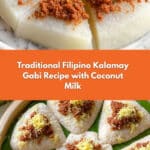
Kalamay Gabi (Taro Coconut Milk Pudding) Recipe
Picture this: steam swirling gently from the pot, the earthy aroma of taro filling the kitchen, and the rich, creamy scent of coconut milk promising a comforting treat. Kalamay Gabi (Taro Coconut Milk Pudding) is a beloved Filipino dessert that wraps you in warmth and nostalgia, with every bite melting into a luscious balance of sweet and buttery flavors. This indulgent pudding is a true hug in dessert form, perfect for sharing and savoring with loved ones.
Why You’ll Love This Kalamay Gabi (Taro Coconut Milk Pudding) Recipe
- Authentic Filipino Flavor: Experience the traditional sweetness and texture of taro blended with rich coconut and evaporated milk, offering a creamy treat that feels like home.
- Simple Ingredients: Uses easy-to-find staples like taro, coconut milk, and sugar, so you can make a special dessert without hunting for exotic items.
- Make-Ahead Friendly: This recipe requires some chilling time, perfect for preparing in advance and impressing your guests whenever the craving hits.
- Generous Yield: With 16 servings, it’s ideal for family gatherings or festive occasions where everyone deserves a slice of comfort.
- Customizable Toppings: Finish with either traditional Latik or a sprinkle of cheese to suit your taste and presentation preferences.
Why This Kalamay Gabi (Taro Coconut Milk Pudding) Recipe Works
This Kalamay Gabi recipe shines because of its clever stovetop method that gently simmers grated taro in a decadent mixture of coconut and evaporated milk, sweetened just right to coax out the natural earthiness of the gabi. The slow cooking and regular stirring allow the pudding to thicken perfectly, while the addition of butter gives a luscious sheen and silkiness that pulls away from the pan edges—a classic sign the texture is spot on. Using both coconut and evaporated milk balances richness and depth, creating a creamy custard-like consistency that’s irresistible.
Ingredients You’ll Need
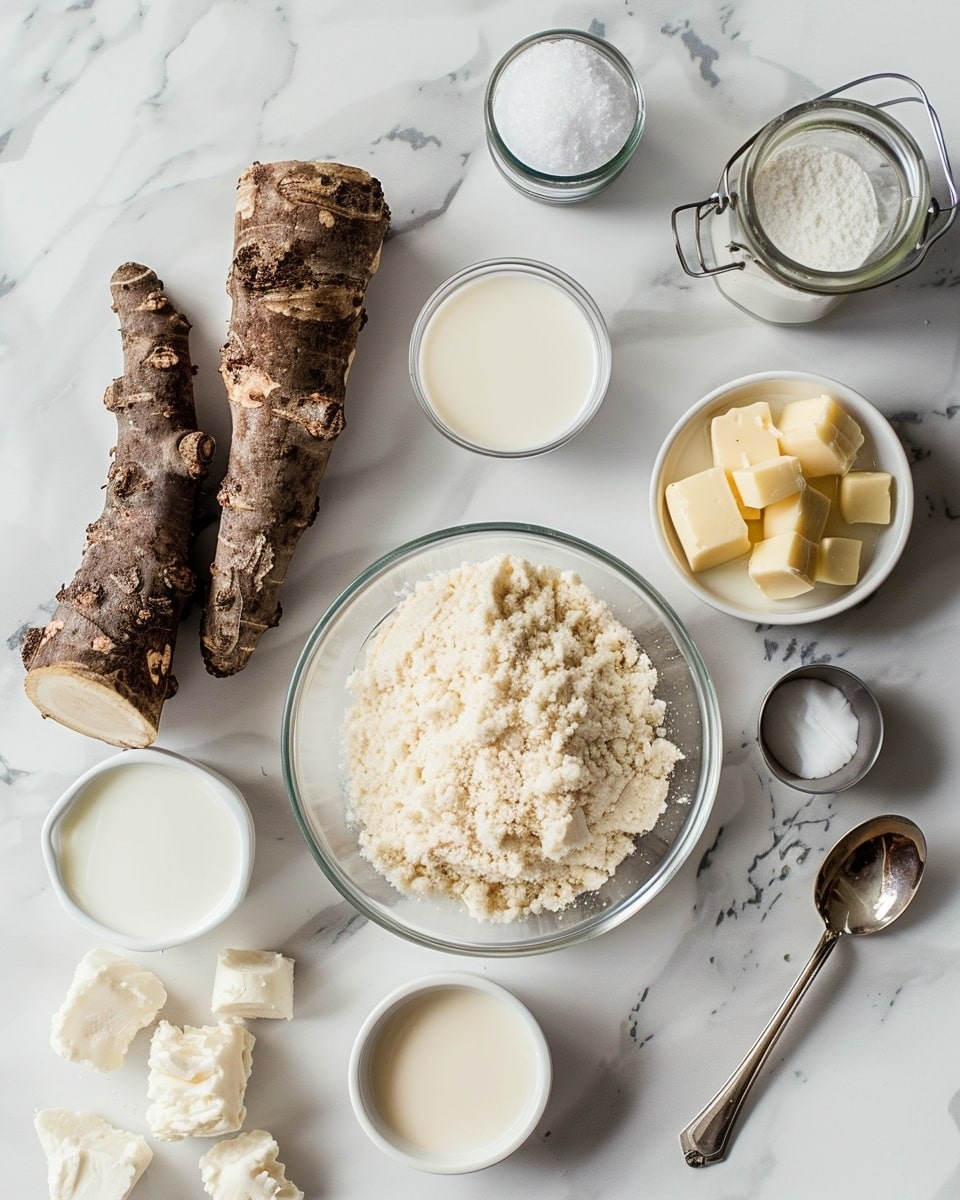
Gather the heart of this dish: fresh taro, creamy coconut milk, and velvety evaporated milk, all rounded out by sugar and butter to weave a luscious tapestry of flavors.
- 500 grams taro / gabi: The star ingredient, providing that earthy sweetness and unique texture.
- water (-for boiling): Used to cook the taro tender before it meets the milky mix.
- 1 can coconut milk: Brings tropical creaminess and a hint of natural sweetness.
- 1 can evaporated milk: Adds richness with a subtle caramel undertone.
- ½ cup white sugar: Sweetens and balances the flavors beautifully.
- 1 tablespoon butter/margarine: Infuses silkiness and that melt-in-your-mouth finish.
- Latik or cheese (- click link for the Latik recipe): Traditional toppings that elevate both texture and taste.
Ingredient Substitutions & Tips
- Taro / Gabi: If fresh taro isn’t available, frozen grated taro can be used, but fresh yields the best texture.
- Coconut Milk: Full-fat canned coconut milk works best; avoid watered-down versions for the richest taste.
- Evaporated Milk: Can be substituted with coconut cream for a dairy-free twist.
- Butter: Margarine or vegan butter alternatives can be used to keep this recipe dairy-free.
👨🍳 Pro Tips for Perfect Results
- Rinse with Cold Water: After boiling, rinse the taro with cold water to cool it quickly and stop further cooking.
- Grease Your Molds Well: Use plenty of butter in your llanera molds to prevent sticking and ensure easy removal.
- Regular Stirring: Stir the pudding frequently while simmering to avoid scorching and to achieve an even thickening.
- Don’t Rush the Chilling: Let your Kalamay Gabi chill for at least 2 hours for the perfect set and texture.
- Use Medium-Low Heat: Cooking on medium-low ensures gentle simmering without burning the milky mixture.
How to Make Kalamay Gabi (Taro Coconut Milk Pudding) Recipe
Step 1: Prepare the Gabi
First things first, soak your unpeeled taro in water and give it a good scrub to wash away any dirt clinging to the skin. This cleaning sets the stage for a pure, fresh flavor in your pudding.
💡 Pro Tip: Handle the taro carefully to avoid skin irritation from its natural sap.
Step 2: Boil the Gabi
Transfer the cleaned taro to a pot, covering it completely with water, then cover with a lid and bring it to a boil. Let it cook for about 15-20 minutes until the taro is tender enough to shred.
💡 Pro Tip: Test tenderness by poking with a fork—softness means it’s ready for the next step.
Step 3: Cool and Shred the Gabi
Drain the hot water and run cold water over the cooked taro to cool it quickly. Once it’s cool enough to handle, peel off the skin and shred or grate the taro coarsely for that rustic texture.
💡 Pro Tip: Cooling quickly stops overcooking and helps maintain the taro’s mildly sweet flavor.
Step 4: Combine Liquids and Sugar
In a wide, deep pan, mix together the coconut milk, evaporated milk, and sugar. Stir until the sugar completely dissolves, setting the stage for a smooth, sweet base.
💡 Pro Tip: Dissolving sugar well at this stage ensures no grainy texture in the final pudding.
Step 5: Add Gabi and Cook
Next, add your grated taro to the milky mixture and mix them together thoroughly. Turn the heat to medium-low and gently simmer, stirring often until the pudding thickens and becomes richly heavy.
💡 Pro Tip: Frequent stirring here prevents sticking and helps develop the classic creamy consistency.
Step 6: Add Butter
Stir in butter and continue cooking for 2-3 more minutes until the butter melds into the pudding and it begins to pull away from the pan’s sides—the sign of perfect thickness.
💡 Pro Tip: Use unsalted butter for a balanced flavor or margarine for a dairy-free option.
Step 7: Mold and Chill
Generously grease 2 to 3 llanera molds with butter and spoon the kalamay mixture into them. Let it cool to room temperature before covering with plastic and refrigerating for at least 2 hours until fully set.
💡 Pro Tip: A well-greased mold makes it much easier to unmold your creamy kalamay gabi without mess.
Step 8: Serve
Top your chilled kalamay gabi with traditional Latik or a sprinkle of grated cheese just before serving, adding that extra delight to every morsel.
💡 Pro Tip: Latik provides a nutty contrast in texture, while cheese offers a delightful savory hint, balancing out the sweet pudding.
Common Mistakes to Avoid
Learn from these common pitfalls:
- Skipping the Soak: Not washing or soaking the taro properly can leave it gritty and affect texture.
- Overcooking Gabi: Boiling taro too long makes it mushy and watery instead of shreddable.
- Insufficient Stirring: Neglecting to stir regularly during cooking can cause the pudding to burn or stick to the pan.
- Under-Greased Molds: If your molds aren’t greased well, the kalamay will stick, making it difficult to serve.
- Rushing the Chill Time: Eating the pudding before it’s cold and set affects texture and presentation.
- Adding Butter Too Late: Waiting too long to add butter may prevent the pudding from reaching the rich, sticky texture it needs.
Delicious Variations to Try
Once you’ve mastered the classic Kalamay Gabi (Taro Coconut Milk Pudding) recipe, the fun really begins with these creative twists:
Ube Kalamay Gabi
Mix purple yam (ube) into the shredded taro before cooking for a vibrant twist on this beloved dessert. Its sweet and slightly nutty flavor adds depth and a beautiful purple hue.
Coconut Macapuno Kalamay
Add strands of macapuno (coconut sport) to the kalamay for a delightful chewy texture that blends harmoniously with the creamy pudding.
Latik Crunch Enhancement
For an extra crispy topping, mix toasted coconut flakes with your Latik before sprinkling it over the kalamay. This adds both texture and toasted coconut aroma.
Sweetened Condensed Milk Delight
Swap evaporated milk for sweetened condensed milk for a richer, sweeter pudding that’s sure to satisfy any sweet tooth.
Tropical Twist
Incorporate finely chopped ripe mango or pineapple bits into your Kalamay Gabi just before molding for bursts of tropical freshness. This pairs beautifully with the creamy coconut base, reminiscent of a Hawaiian pineapple cake delight.
How to Serve Kalamay Gabi (Taro Coconut Milk Pudding) Recipe
Garnishes
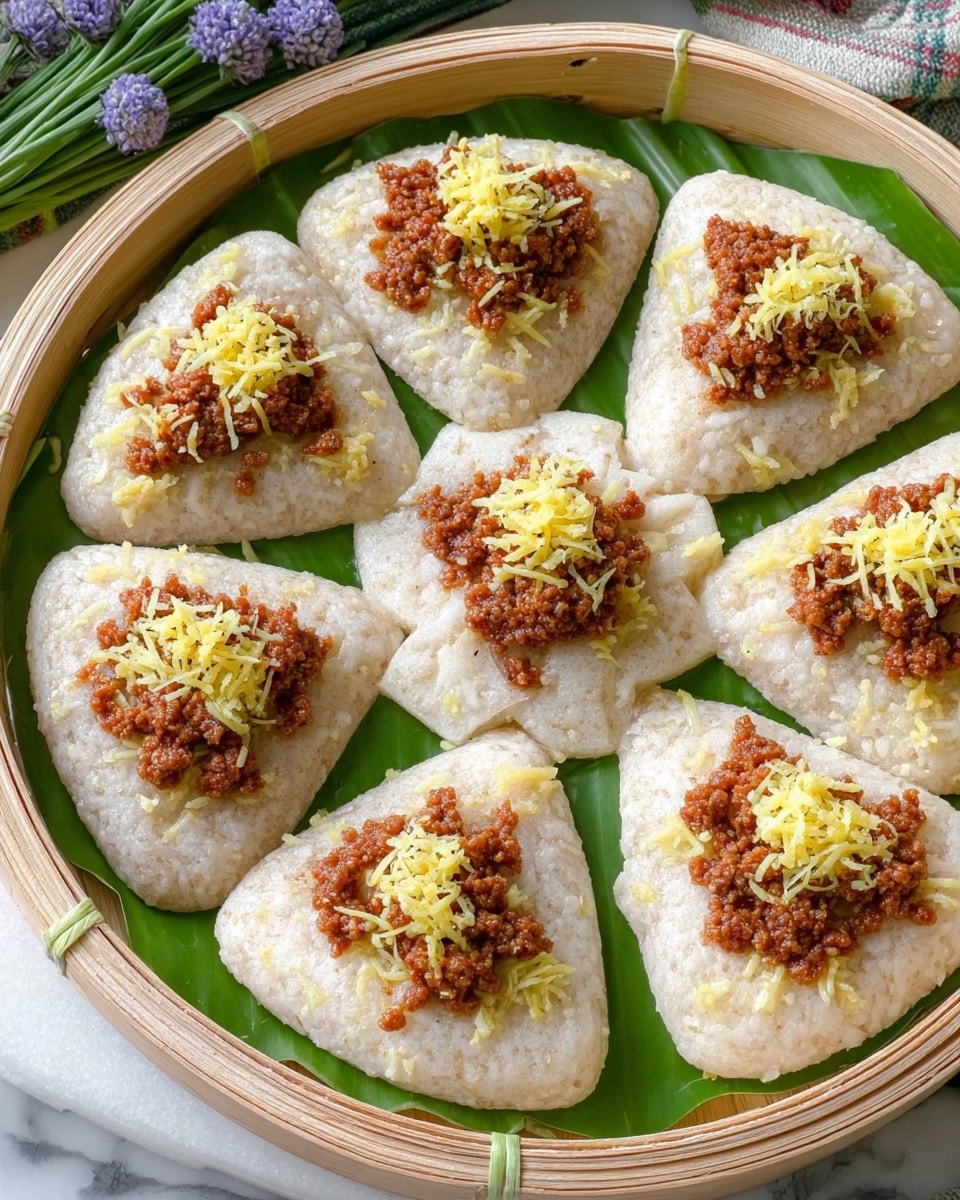
Top your kalamay with a generous helping of Latik or grated cheese to introduce a lovely contrast. For a twist, sprinkle toasted coconut flakes or a few crushed nuts.
Side Dishes
This dessert shines beautifully after a hearty Filipino meal, but it also pairs wonderfully with light teas or a cup of freshly brewed coffee for balance. Consider serving alongside a refreshing tropical fruit salad.
Creative Ways to Present
Mold the kalamay into beautiful individual servings using llanera molds or silicone molds of fun shapes. Serve on banana leaves for an authentic touch, or plate it with a drizzle of coconut caramel sauce. For festive occasions, arrange slices on a platter with edible flowers for a gorgeous presentation.
For a delightful pairing, try serving this alongside our Hawaiian Pineapple Cake Delight Recipe to impress guests with a tropical dessert spread.
Make Ahead and Storage
Make-Ahead Instructions
This kalamay gabi can be made ahead by preparing and chilling it for the recommended 2 hours or even overnight. This makes it perfect for busy days or special gatherings.
Storage
Store the kalamay covered in the refrigerator for up to 3 days. Keeping it chilled ensures it maintains its creamy texture and fresh flavor.
Freezing
While not traditionally frozen, you can freeze kalamay in airtight containers for up to 1 month. Thaw in the refrigerator overnight before consuming.
Reheating
For a warm treat, gently reheat kalamay on the stovetop over low heat while stirring frequently until warmed through. Avoid microwave reheating if possible to maintain its smooth texture.
Expert Tips for Success
- Select fresh, firm taro: This ensures the best texture and flavor in your pudding.
- Use full-fat canned coconut milk: It contributes to that rich, creamy mouthfeel that defines Kalamay Gabi.
- Don’t skip the butter: It’s essential for that silky finish and helps the pudding set.
- Stir frequently: Prevents sticking and helps achieve even cooking.
- Chill thoroughly: Proper chilling allows the pudding to firm up and enhances flavor melding.
- Try different toppings: Latik brings a caramelized note, while grated cheese adds a delicious savory balance.
Frequently Asked Questions
Can I use frozen taro for this Kalamay Gabi (Taro Coconut Milk Pudding) recipe?
Yes, frozen grated taro can be used as a substitute, though fresh taro provides a better texture and flavor.
What is Latik, and can I substitute it?
Latik is a traditional coconut curd topping made from reducing coconut milk until it thickens and browns. You can substitute with toasted coconut flakes or grated hard cheese for different textures.
Is it possible to make this dessert vegan?
Absolutely! Use coconut cream in place of evaporated milk and plant-based butter or margarine instead of dairy butter.
How can I tell when the kalamay is done cooking?
It’s ready when it thickens significantly, pulls away from the sides of the pan, and has a dense, sticky texture.
Can I use brown sugar instead of white sugar?
Brown sugar will add a deeper, caramel-like flavor and can be used if you prefer a richer taste.
How long should I chill the kalamay before serving?
Chill for at least 2 hours to allow it to set fully and develop the best texture.
What are the best ways to serve Kalamay Gabi?
Serve cold, topped with latik or cheese, and accompany it with light tea or tropical fruits for an elevated dessert experience.
Final Thoughts
Making Kalamay Gabi (Taro Coconut Milk Pudding) is like inviting the heart of Filipino tradition into your kitchen, creating a dessert that’s both comforting and captivating. The tender taro, the rich swirl of coconut and evaporated milk, and the buttery finish all come together in perfect harmony to delight your senses. Whether you’re serving this at a family gathering or simply treating yourself after a long day, this recipe promises joy in every spoonful. Dive in, savor every bite, and experience the warmth of this cherished classic.
Related Recipes You’ll Love
If you enjoyed this recipe, you’ll also love these delicious recipes:
- Delicious Rose Basundi Recipe – Foodarohub – A fragrant Indian dessert featuring creamy coconut milk enhanced with rose syrup and crunchy nuts, perfect for a floral feast.
Kalamay Gabi (Taro Coconut Milk Pudding) Recipe
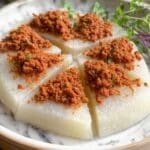
Kalamay Gabi is a traditional Filipino dessert made from grated taro boiled and simmered in coconut and evaporated milk with sugar and butter, then chilled and topped with Latik or cheese for a creamy, sweet treat.
- Prep Time: 15 minutes
- Cook Time: 25 minutes
- Total Time: 2 hours 40 minutes
- Yield: 16 servings 1x
- Category: Dessert
- Method: Stovetop
- Cuisine: Filipino
- Diet: Vegetarian
Ingredients
Ingredients
- 500 grams taro / gabi
- water (-for boiling)
- 1 can coconut milk
- 1 can evaporated milk
- ½ cup white sugar
- 1 tablespoon butter/margarine
- Latik or cheese (- click link for the Latik recipe)
Instructions
- Step 1: Soak unpeeled gabi in water and brush the skin to get rid of dirt. Transfer the washed gabi to a pot and fill it with water until fully covered.
- Step 2: Cover the pot with the lid and bring to boil. Cook for 15-20 minutes or until cooked through.
- Step 3: Drain the water and let water run through the gabi to cool it down faster. Once cool enough to handle, peel off the skin and shred/ grate coarsely. Set aside.
- Step 4: In a pot or wide, deep pan, combine the coconut milk, evaporated milk, and sugar. Stir until well combined and sugar is dissolved.
- Step 5: Add the grated gabi and and mix. Turn heat to medium-low and let it simmer while stirring regularly until it becomes very thick and heavy.
- Step 6: Add butter and stir until melted and well incorporated. Cook for about 2-3 minutes more and starts to pull away from the sides of the pan.
- Step 7: Grease 2 -3 llanera molds generously with butter. Divide the kalamay gabi into the llaneras and let it cool down to room temperature. Cover with plastic wrap and place in the fridge for at least 2 hours or until cold.
- Step 8: Top with Latik or grated cheese before serving.
Notes
- Use Latik or cheese as topping for authentic flavor.
- Let kalamay gabi chill for at least 2 hours to set well.
- Brush and rinse gabi skin thoroughly to remove dirt before boiling.
Keywords: Kalamay Gabi, Filipino dessert, taro dessert, coconut milk sweets, traditional kalamay recipe