Matcha Dasik with Almond Flour and Honey Recipe
I never thought I’d find a no-bake Korean sweet as charming and simple as this Matcha Dasik with Almond Flour and Honey Recipe. Imagine delicate bites infused with the subtle earthiness of matcha powder, the nutty warmth of almond flour, and the floral sweetness of honey, all pressed into elegant, intricate molds. They look like tiny works of art, perfect for sharing with friends or enjoying alongside a calming cup of tea.
Why You’ll Love This Matcha Dasik with Almond Flour and Honey Recipe
- Subtle and sophisticated flavors: The blend of matcha, almond flour, and toasted sesame oil creates a uniquely delicate sweetness that’s both comforting and refined.
- Simple Ingredients: You’ll use pantry staples like almond flour, honey, and cornstarch, with just a touch of matcha powder to elevate the flavor and color beautifully.
- Perfect for tea time: These bite-sized sweets are elegant and light, making them the perfect companion for afternoon tea or a mindful moment of indulgence.
- No baking required: Since this is a no-cook recipe, it’s wonderfully accessible and beginner-friendly, requiring just 20 minutes of prep plus a short resting time.
- Beautiful presentation: The distinct green hues and patterned molds make for an impressive display whether gifting or serving at a special gathering.
Why This Matcha Dasik with Almond Flour and Honey Recipe Works
This recipe shines because it balances traditional Korean confection techniques with approachable no-bake methods. The sifting of almond flour and matcha powder ensures an even, vivid green color and smooth texture, while warming the honey slightly lets it blend effortlessly without overpowering the nutty flavors. Pressing the dough firmly into detailed molds is crucial—it locks in intricate patterns and guarantees each piece holds its shape beautifully. The recipe’s methodical kneading activates the natural oils in almond flour, creating a dough that’s anything but dry or crumbly. Altogether, these steps honor the authentic essence of dasik, but with a modern twist that feels inviting to home cooks.
Ingredients You’ll Need
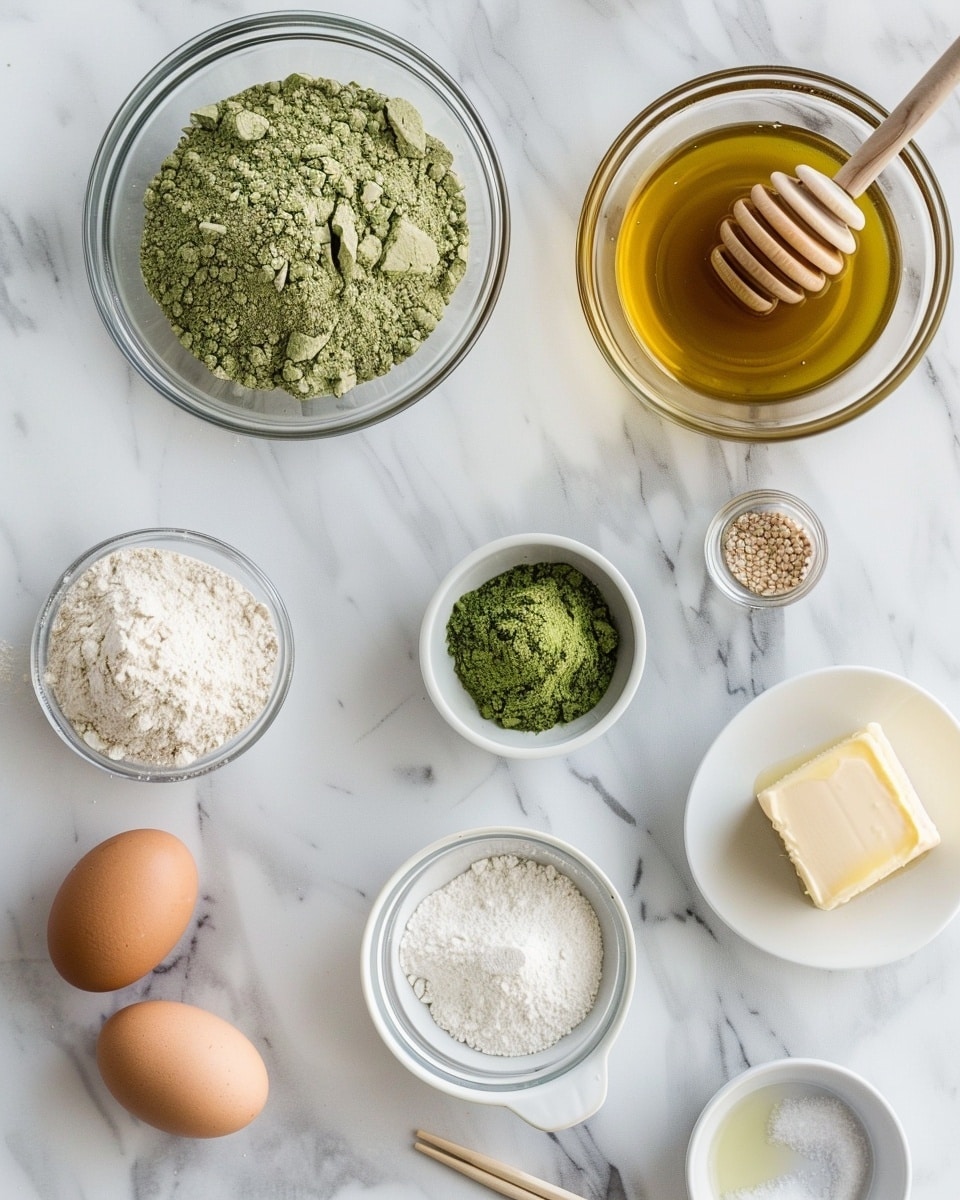
Gather these wonderful ingredients that each bring their own character to the final treat: from the soft, buttery almond flour to the vibrant and aromatic matcha powder, every element is here for a purpose.
- 1 ½ cup almond flour: Provides a moist, nutty base with delicate texture perfect for no-bake sweets.
- 1 ½ tablespoon matcha powder: Offers that signature earthy flavor and lush green color that dazzle both eyes and palate.
- 3 tablespoon honey: Adds natural sweetness and a hint of floral fragrance to tie all flavors together.
- 1 teaspoon toasted sesame oil: Brings a warm, roasted aroma enhancing the almond and matcha notes.
- ⅛ teaspoon fine sea salt: Balances sweetness and amplifies the freshness of matcha.
- 1 teaspoon matcha powder (for dusting molds): Prevents sticking while adding a pretty matte finish and richer color.
- 1 teaspoon cornstarch (optional): Combined with dusting matcha to help if the dough feels sticky; rice flour works just as well.
Ingredient Substitutions & Tips
- Almond flour: You can swap in finely ground cashew or hazelnut flour for a slightly different nutty flavor.
- Honey: Maple syrup or agave nectar can be used for a vegan alternative, though the flavor will subtly change.
- Toasted sesame oil: Light olive oil or walnut oil make good substitutes if sesame oil is unavailable.
- Matcha powder: Make sure to use a high-quality culinary or ceremonial-grade matcha for the best flavor and vibrancy.
👨🍳 Pro Tips for Perfect Results
- Sift matcha powder and almond flour carefully: This avoids clumps and ensures a silky dough and vibrant color.
- Warm your honey just enough: It should be pourable but never hot, to preserve its delicate floral notes.
- Press firmly into molds: The sharper the imprint, the more stunning your final dasik will look and the less likely it will crumble.
- Dust molds lightly: Using a blend of matcha and cornstarch (or rice flour) prevents sticking without overpowering the flavor.
- Let dasik rest: Allow about 10 minutes at room temperature for the shapes to firm up before storing or serving.
How to Make Matcha Dasik with Almond Flour and Honey Recipe
Step 1: Prepare the dry ingredients
Set a fine mesh sieve over your mixing bowl and gently sift in 1 ½ cups of almond flour, 1 ½ tablespoons of matcha powder, and the fine sea salt. Press through the sieve to break up any clumps—this step is critical because matcha loves to form lumps, and almond flour can be uneven. Discard anything too large to pass through for a smooth, uniform green mixture.
💡 Pro Tip: Discarding large almond pieces improves the texture and prevents a gritty bite.
Step 2: Whisk mixture
Give the sifted ingredients a quick whisk with a fork. This distributes the matcha evenly, painting every bit with that lovely green. You’re aiming for a consistent color without any white specks or dark patches to ensure every sweet is perfectly vibrant.
💡 Pro Tip: A fork works better than a whisk here to be gentle on the light almond flour.
Step 3: Make the dough
If your honey is thick or crystallized, warm it gently on the stove for about a minute or microwave it for 15 seconds, just until it’s pourable—no hotter. Pour it into your almond flour mixture along with the toasted sesame oil. Initially stir with a fork to combine, then switch to your hands and knead for about 2 minutes. It will start crumbly but keep working until it clumps together like slightly damp beach sand.
💡 Pro Tip: Don’t rush the kneading; the oils from the almond flour need time to be released for perfect texture.
Step 4: Test the dough
Pinch a small piece and press it firmly between your fingers. It should hold a sharp shape without cracking. If it crumbles, add honey a little at a time; if too sticky, sprinkle in some almond flour. Achieving this balance guarantees dasik that stays intact and melts gently on your tongue.
💡 Pro Tip: The dough should feel like kinetic sand, compact but pliable.
Step 5: Shape the dasik
Mix your dusting matcha powder with cornstarch in a small dish and lightly brush your molds with this powder. Pinch off about 1 teaspoon of dough and roll it smoothly between your palms. Press it firmly into the mold, making sure you fill every carved detail sharply. The firmer the press, the clearer the pattern.
💡 Pro Tip: Light dusting prevents sticking but adds a subtle matte finish with extra color.
Step 6: Unmold pieces
Flip the mold onto parchment and tap firmly on the back. The dasik should slide out with a crisp pattern. If it sticks, add a bit more dusting powder or adjust dough moisture next time. Don’t fret if the first few tryouts aren’t perfect—each batch improves with practice!
💡 Pro Tip: Press extra hard for the best definition; darik won’t crumble under a firm hand.
Step 7: Repeat for all dough
Continue molding the remaining dough until you have about 24 beautifully patterned pieces. Arrange these on parchment in a single layer to keep their shape pristine. Mooncake presses are a great alternative for shaping if you have them.
💡 Pro Tip: Keep molds dusted and dry between uses for consistent results.
Step 8: Set and store
Let your finished dasik rest at room temperature for around 10 minutes to firm up the surface without smudging. After resting, they’re ready to enjoy or pack into airtight containers layered with parchment paper. The flavors deepen over a few hours, so feel free to prepare ahead for peak tastiness.
💡 Pro Tip: Resting helps achieve a sturdier texture that’s easier to handle.
Step 9: Store properly
Keep your Matcha Dasik at room temperature for up to 5 days or refrigerate for twice as long to enjoy later. Serving straight from the fridge offers a slightly different mouthfeel, which some find delightful.
💡 Pro Tip: Use parchment between layers to prevent sticking and preserve those elegant designs.
Common Mistakes to Avoid
Learn from these common pitfalls:
- Not sifting the dry ingredients: Leads to clumpy dough and uneven coloring.
- Honey too thick or cold: Makes mixing difficult and the dough crumbly.
- Insufficient kneading: Results in fragile pieces that fall apart.
- Pressing dough lightly in molds: Causes blurred patterns and crumbling.
- Overdusting molds: Can dull the color and add a gritty texture.
- Skipping resting time: Dasik may be too soft and prone to smudging or breaking.
Delicious Variations to Try
Once you’ve mastered the classic Matcha Dasik with Almond Flour and Honey Recipe, you can have fun experimenting with flavors and presentation.
Black Sesame Twist
Replace toasted sesame oil with an equal amount of black sesame paste for a deeper, nuttier flavor and striking dark speckles in the dasik.
Rose and Pistachio
Add 1 teaspoon of rose water to the honey mixture and sprinkle crushed pistachios on top for an elegant floral and crunchy surprise. This pairs wonderfully with the green matcha base.
Chocolate Matcha Dasik
Fold in a tablespoon of finely sifted cocoa powder with the almond flour to bring a subtle chocolate note that complements the earthy matcha beautifully.
Spiced Ginger
Mix in ¼ teaspoon of ground ginger or finely grated fresh ginger for a warming spice kick that pairs wonderfully with honey and almond flour.
Fruit Infusion
Consider serving with a side of fresh fruit or even pairing alongside delicate desserts like our Mini Fruit Tarts with Vanilla Pudding and Fresh Fruit Recipe for a light and colorful tea spread.
Nutty Swap
For a different texture and flavor, try swapping almond flour with finely ground walnuts or pecans. Just be mindful of allergies.
How to Serve Matcha Dasik with Almond Flour and Honey Recipe
Garnishes
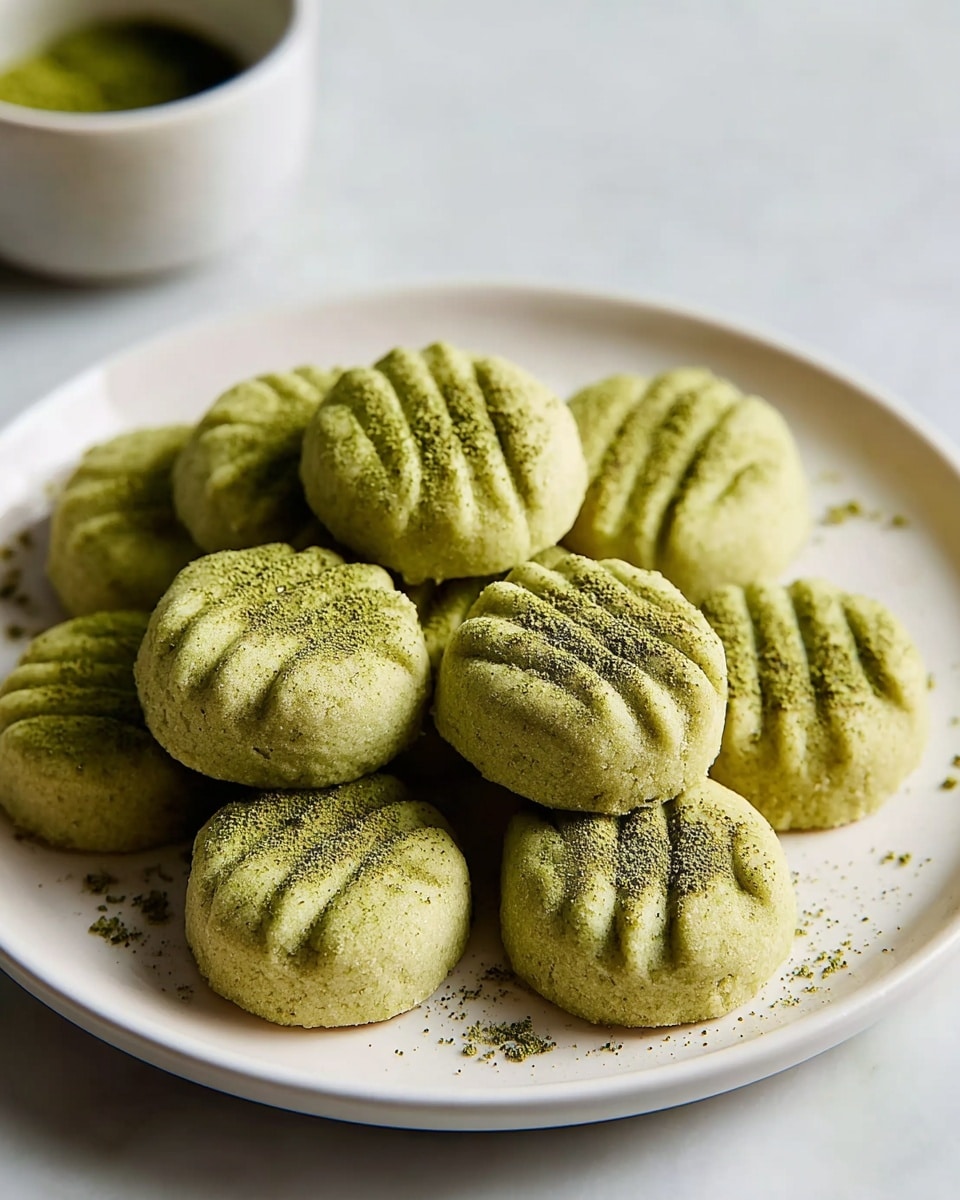
A light dusting of extra matcha powder on top enhances the green contrast beautifully. Alternatively, a few toasted sesame seeds sprinkled on each piece add texture and aroma.
Side Dishes
Serve these delicate sweets with a mild green tea, jasmine tea, or even a lightly sweetened barley tea to complement their subtle sweetness. For a contrasting experience, pair with richer desserts like our Irresistible S’mores Cupcakes Recipe to impress guests with diverse flavors.
Creative Ways to Present
Arrange your Matcha Dasik on elegant ceramic plates lined with parchment or bamboo leaves for a traditional Korean feel. Stack them in a decorative box for gifting, or place between delicate paper doilies for a charming homemade touch.
Make Ahead and Storage
Make-Ahead Instructions
You can prepare the dough and mold the dasik a few hours in advance. Let them rest at room temperature before packing. This recipe is ideal for making ahead as flavors deepen beautifully over time.
Storage
Store dasik in an airtight container layered with parchment for up to 5 days at room temperature or refrigerate up to 2 weeks. Avoid humid environments to keep them from softening.
Freezing
While freezing is possible in airtight containers, it’s not recommended as it can affect the delicate texture and imprint of the patterns.
Reheating
No reheating is needed or recommended since this is a no-bake sweet; serve them fresh or chilled according to your preference.
Expert Tips for Success
- Always sift almond flour and matcha powder separately for the finest texture.
- Use high-quality honey for the best flavor impact—it really matters here.
- Warm the honey carefully to avoid overheating and losing its delicate aroma.
- Press the dough firmly into molds to get the sharpest patterns and prevent crumbling.
- Rest the dasik at room temperature for at least 10 minutes to firm up the surface.
- Dust molds lightly with a matcha and cornstarch mix to prevent sticking without adding bitterness.
- Store layered with parchment paper to protect the intricate designs from damage.
Frequently Asked Questions
Can I use a different type of flour instead of almond flour?
While almond flour gives the best flavor and texture, finely ground cashew or hazelnut flour can be interesting substitutes. Other flours won’t mimic the same buttery richness and may alter the final texture.
Is this recipe gluten-free?
Yes! This Matcha Dasik with Almond Flour and Honey Recipe is naturally gluten-free, making it perfect for those avoiding gluten.
How long can I store these sweets?
Stored in airtight containers layered with parchment, they last up to 5 days at room temperature or up to 2 weeks in the fridge.
What if my dough is too sticky or dry?
If too sticky, add a small amount of almond flour; if too dry, add honey gradually. The dough should feel like moist kinetic sand—compact but pliant.
Can I substitute honey for a vegan syrup?
Yes, maple syrup or agave nectar works for a vegan version, though the flavor and texture will be slightly different.
Do I need a special mold to make dasik?
Traditional dasik molds bring the most elegant patterns, but small mooncake molds or even silicone molds with designs can work fine.
Why is dusting the molds important?
Dusting with matcha and cornstarch prevents sticking and adds extra color and texture to each piece, while helping maintain sharp pattern definition.
Final Thoughts
Making Matcha Dasik with Almond Flour and Honey is a joyful dive into Korean tradition with a modern, approachable twist. These bite-sized gems bring a quiet elegance to your table, showcasing the gentle harmony of flavors with every bite. Whether you’re treating yourself to a reflective tea moment or impressing guests with something unique and stunning, this recipe wraps warmth, simplicity, and artistry together in a sweet, unbaked treasure. I can’t wait for you to try making these—once you do, they might just become your new favorite easy dessert!
Related Recipes You’ll Love
If you enjoyed this recipe, you’ll also love these delicious recipes:
- Greek Baklava Recipe – Foodarohub – Dive into layers of flaky phyllo, honey, and walnuts with a hint of cinnamon in this classic Mediterranean dessert.
Matcha Dasik with Almond Flour and Honey Recipe
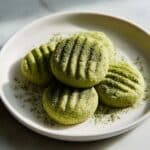
Matcha Dasik is a traditional Korean no-bake sweet made with almond flour, matcha powder, and honey, resulting in delicate, beautifully patterned green tea cookies that are naturally sweetened and perfect for teatime.
- Prep Time: 15 minutes
- Cook Time: 0 minutes
- Total Time: 25 minutes
- Yield: 24 servings 1x
- Category: Snack/Dessert
- Method: No-Cook
- Cuisine: Korean
- Diet: Gluten Free, Vegetarian
Ingredients
Dry Ingredients
- 1 ½ cup almond flour
- 1 ½ tablespoon matcha powder
- ⅛ teaspoon fine sea salt (balances the sweetness and brings out the matcha flavor – a tiny amount makes a real difference)
Dough Ingredients
- 3 tablespoon honey
- 1 teaspoon toasted sesame oil
For Dusting
- 1 teaspoon matcha powder (for dusting the molds to prevent sticking and add extra color)
- 1 teaspoon cornstarch (optional; mix with the dusting matcha if your dough is particularly sticky; rice flour also works)
Instructions
- Prepare the dry ingredients
Set a fine mesh sieve over your mixing bowl. Add the 1 1/2 cups of almond flour, 1 1/2 tablespoons of matcha powder, and the salt. Sift everything together, pressing any clumps through with the back of a spoon. Matcha is notorious for clumping, and almond flour can be uneven, so this step is what gives you that smooth, uniform green color throughout. If any large almond pieces won’t pass through the sieve, just discard them. - Mix dry ingredients
Give the sifted mixture a quick whisk with a fork to make sure the matcha is evenly distributed. You should see a consistent green color with no white streaks or dark green pockets. - Make the dough
If your honey is thick or crystallized, warm it gently in a small saucepan over low heat for about 1 minute, or microwave it for 15 seconds. You want it fluid enough to mix easily – not hot, just pourable. - Combine ingredients
Drizzle the honey and sesame oil into the almond flour mixture. Use a fork to stir everything together initially, then switch to your hands. Knead the mixture right in the bowl for about 2 minutes. At first it will seem crumbly and dry – this is normal. Keep pressing and squeezing. The oils from the almond flour will release as you work it, and the honey will distribute. You’re done when the dough holds together when you squeeze a small amount in your fist without crumbling apart. - Test the dough
Pinch off a small piece and press it firmly between your fingers. It should hold its shape cleanly without cracking at the edges. If it’s too dry and crumbly, add honey half a teaspoon at a time. If it feels wet or oily, add a teaspoon of almond flour. The consistency you’re after is like slightly damp sand that compacts perfectly – think kinetic sand. - Shape the dasik
Mix your dusting matcha with the cornstarch (if using) in a small dish. Use a clean, dry pastry brush or your fingertip to lightly dust the inside of each mold cavity. This prevents sticking and gives the surface of each dasik a beautiful matte finish. Don’t overdo it – a whisper-thin coating is all you need. - Form dasik pieces
Pinch off about 1 teaspoon of dough and roll it into a smooth ball between your palms. Press it firmly into the mold cavity, making sure to push the dough into all the carved details. Really press hard here – the firmer you pack it, the better the pattern will come out and the less likely the dasik is to crumble. The dough should be flush with the top of the mold. - Unmold dasik
To unmold, flip the mold over onto your parchment-lined surface and give it a firm tap on the back. The dasik should pop right out. If it sticks, you may need a touch more dusting powder, or the dough might be slightly too wet. If the pattern isn’t crisp, press harder next time. The first one or two are always a learning curve – don’t worry about it. - Repeat forming
Repeat with the remaining dough. You should get about 24 pieces depending on the size of your mold. Arrange them on parchment paper in a single layer as you go. If you’re using a mooncake press instead of a traditional dasik mold, roll the dough into balls that fit snugly into the press barrel, then push down firmly and eject onto the parchment. - Set and store
Let the finished dasik sit at room temperature for about 10 minutes. This brief rest allows them to firm up slightly and helps the surface dry just enough to handle without smudging the pattern. They won’t change dramatically – they’re no-bake – but this rest makes them sturdier. - Storage
Once set, transfer them to an airtight container with parchment paper between layers. They’re ready to eat immediately, but they actually taste even better after resting for a few hours – the matcha flavor mellows and the honey seems to deepen. Store at room temperature for up to 5 days, or refrigerate for up to 2 weeks.
Notes
- A tiny amount of fine sea salt balances the sweetness and enhances the matcha flavor significantly.
- If your dough is particularly sticky, mix cornstarch (or rice flour) with the dusting matcha powder to prevent sticking.
- The first one or two dasik may be tricky to unmold – this is normal and improves with practice.
- Warming honey gently makes it easier to mix but avoid heating it too much.
- Resting the finished dasik at room temperature for 10 minutes firms them up and helps the surface dry for handling without smudging.
- Matcha flavor mellows and honey flavor deepens if dasik are rested for a few hours before eating.
- Store at room temperature up to 5 days or refrigerate up to 2 weeks in airtight container.
Keywords: Matcha Dasik, Korean tea cookies, almond flour sweets, no-bake matcha dessert, traditional Korean snack