Perfectly Fried Scotch Eggs Recipe
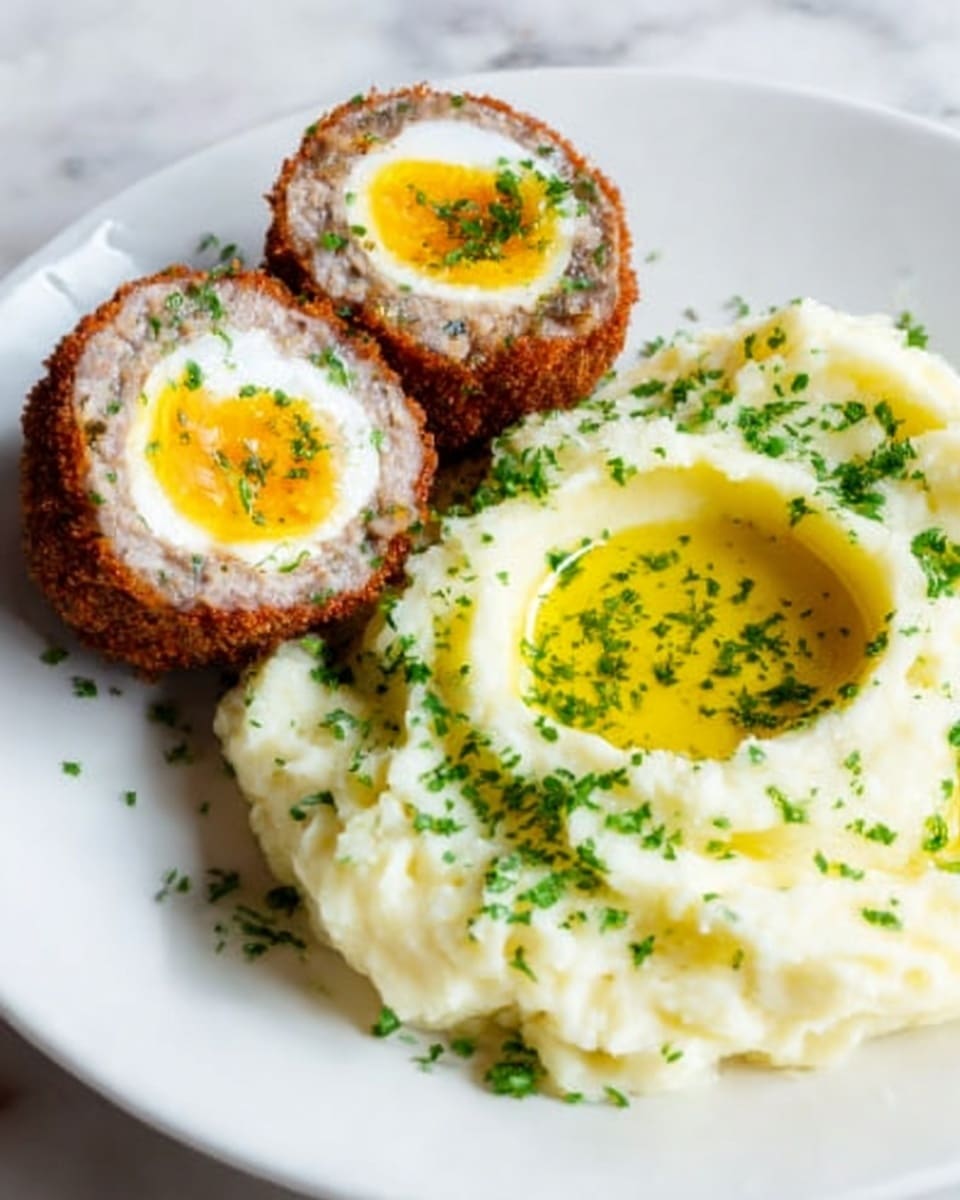
I never thought I’d find a Perfectly Fried Scotch Eggs Recipe easier than this one, and the moment you bite into that crispy, golden crust with the warm, savory sausage wrapped around a tender egg, you’ll feel the magic unfold. Imagine the sizzle of frying oil, the aromatic hint of paprika mingling with breakfast sausage, and the joyful crunch as you slice through these beauties. They make a truly satisfying snack or meal that’s bound to impress both family and friends.
Why You’ll Love This Perfectly Fried Scotch Eggs Recipe
- Rich Flavor Explosion: Each bite features a luscious, hard-boiled egg embraced by seasoned breakfast sausage and enveloped in a crisp breadcrumb coating, creating an irresistible combination of textures and tastes.
- Simple Ingredients: Using pantry staples like all-purpose flour, breadcrumbs, and spices alongside eggs and sausage, this recipe keeps it straightforward without sacrificing flavor.
- Make-Ahead Friendly: Although the total time is around 1 hour and 35 minutes, much of that is passive, allowing you to prep and relax before frying to perfection.
- Impressive Presentation: With their golden, crunchy crust and perfectly sealed sausage, these Scotch eggs look gourmet enough for any occasion.
- Customizable Seasoning: The blend of salt, black pepper, and sweet paprika creates a balanced flavor profile that you can easily tweak to suit your taste buds.
Why This Perfectly Fried Scotch Eggs Recipe Works
This recipe’s success hinges on some clever kitchen moves and ingredient choices. Boiling the eggs just right so the yolks reach your preferred doneness ensures that luscious center. Wrapping the eggs tightly with pork breakfast sausage forms a flavor-packed barrier that locks in juiciness. The triple coating station—flour seasoned with salt, pepper, and paprika; beaten eggs; and crunchy breadcrumbs—builds up that signature crisp shell essential to classic Scotch eggs. Finally, frying these at a steady 350°F allows even cooking and that beautifully golden exterior you’ll adore.
Ingredients You’ll Need
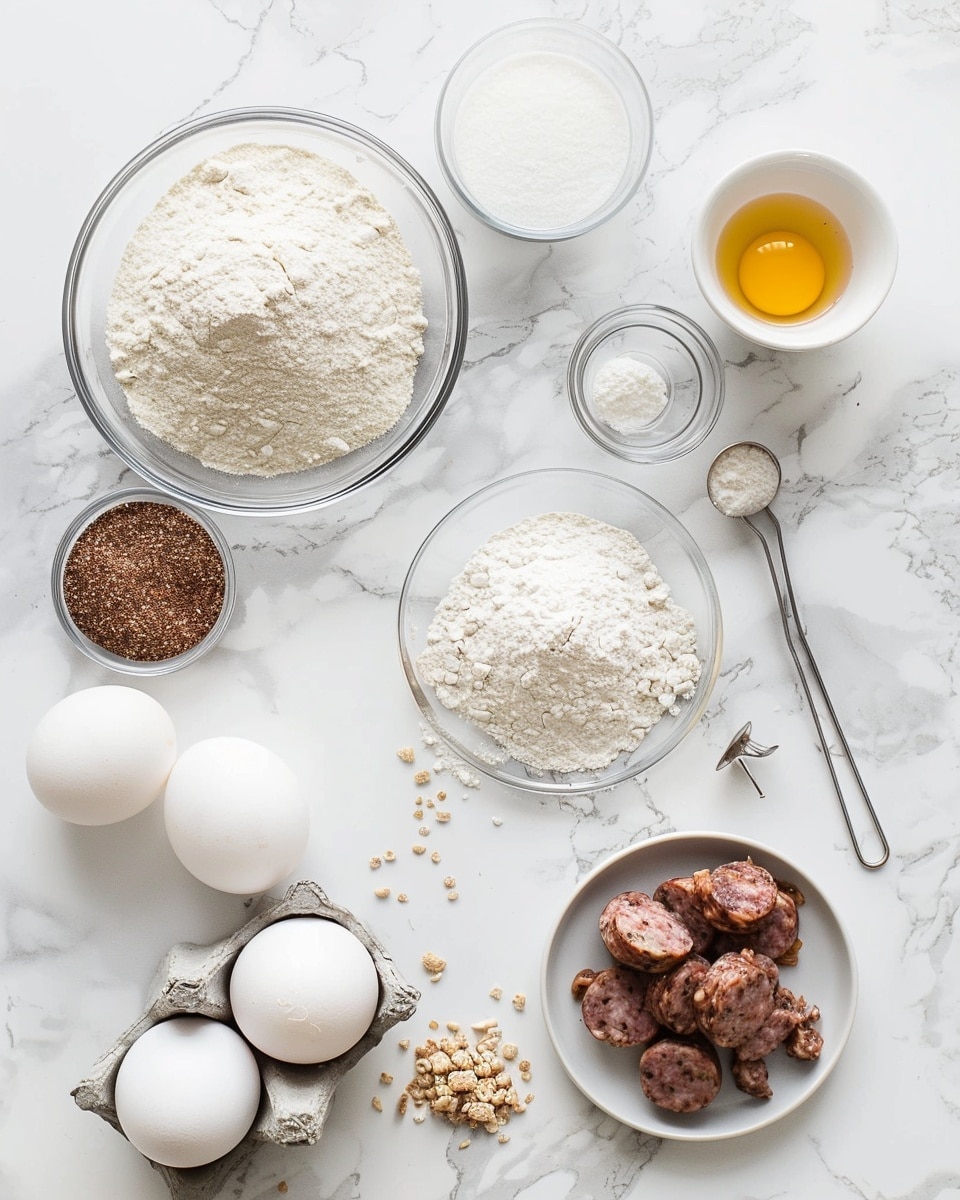
Gather up the essentials for your perfectly fried Scotch eggs and imagine the harmony they’ll create—soft eggs, aromatic sausage, and a crispy golden finish.
- 4 large eggs: The star of the show, boiled just right for your preferred yolk texture.
- 2 large eggs (beaten): Used in the breading process to help the coating stick perfectly.
- ½ cup all-purpose flour: Mixed with spices to add flavor and help the coating adhere.
- 1 teaspoon salt: Seasoning to enhance all the flavors.
- ½ teaspoon black pepper: Adds a gentle kick to the seasoned flour.
- ½ teaspoon sweet paprika: Brings warmth, color, and subtle sweetness to the coating.
- 1 cup breadcrumbs: Delivers the satisfying crunch on the outside.
- 1 pound breakfast sausage: The flavorful outer wrap around the eggs that cooks juicy and tender.
- Vegetable oil: For deep frying with about 2 inches depth to crisp the Scotch eggs evenly.
Ingredient Substitutions & Tips
- Breakfast sausage: You can swap for ground turkey sausage or chicken sausage for a lighter twist, keeping the flavor profile rich yet leaner.
- Breadcrumbs: Panko works beautifully if you crave extra crunch, or gluten-free breadcrumbs if preferred.
- All-purpose flour: Cornstarch can be used for a slightly lighter coating, but be aware it fries a bit differently.
- Seasonings: Feel free to experiment with smoked paprika or a pinch of cayenne for more heat and depth.
👨🍳 Pro Tips for Perfect Results
- Tip 1: Cooling the eggs quickly in an ice water bath stops the cooking instantly, making peeling easier and keeping yolks perfect.
- Tip 2: Seal the sausage around the egg completely—any gaps will cause splitting during frying.
- Tip 3: Maintain oil temperature at 350°F for even browning and thorough cooking without greasy results.
- Tip 4: Use a slotted spoon to gently turn the eggs as they fry, ensuring an even golden crust all over.
- Tip 5: Let your fried Scotch eggs rest on paper towels for a few minutes to drain excess oil and develop that irresistible crunch.
How to Make Perfectly Fried Scotch Eggs Recipe
Step 1: Boil the Eggs
Place your 4 large eggs in a saucepan and cover them with cold water. Bring to a lively boil over medium-high heat. When bubbling, reduce heat and simmer for 4-5 minutes for delightfully soft yolks or 7-8 minutes for those full hard-boiled centers. Immediately plunge into an ice water bath to halt cooking and chill completely.
💡 Pro Tip: The cold bath is your secret weapon for peel-perfect eggs that won’t crack prematurely.
Step 2: Prepare the Coating Station
This step is crucial because organizing your breading station sets the stage for smooth assembly. Mix your flour with salt, black pepper, and sweet paprika to season. Line up three shallow bowls side-by-side: one for the seasoned flour, one for the beaten eggs, and one for the breadcrumbs. This arrangement will keep your workflow clean and efficient.
💡 Pro Tip: Keep each bowl close — you’ll thank yourself when breading swiftly without reaching all over the counter.
Step 3: Form Sausage Patties Around Eggs
Divide the pound of breakfast sausage into four equal parts. Flatten each into a round patty, large enough to wrap snugly around an egg. Nestle each peeled egg in the center and mold the sausage carefully all around. Make sure no egg is peeking through—that seal keeps the sausage juicy and intact during frying.
💡 Pro Tip: Use wet hands to prevent sticking when shaping these protein pillows.
Step 4: Bread the Sausage-Wrapped Eggs
First, roll each sausage ball in the seasoned flour, coating every surface. Dunk the flour-covered egg into the beaten eggs to add stickiness. Then, cover it thoroughly with breadcrumbs for that perfect crunch. You want an even, complete coating so the frying finishes with golden, crisp glory.
💡 Pro Tip: Don’t rush the coating—pat the breadcrumbs gently to ensure they stick firmly.
Step 5: Fry the Scotch Eggs
Heat about 2 inches of vegetable oil in a deep pan to a steady 350°F (175°C). Gently lower your prepared Scotch eggs into the bubbling bath of oil. Fry each one for 5-6 minutes, turning carefully with tongs every now and then, ensuring a gorgeous, even golden color all around. The sausage inside will cook through, and the breadcrumbs will become delightfully crisp.
💡 Pro Tip: Keep an eye on the temperature to avoid burning or undercooking—an instant-read thermometer is your friend here.
Step 6: Drain and Cool
Lift the Scotch eggs from the oil with a slotted spoon and rest them on paper towels to drain excess grease. Allow them to cool just enough to enjoy their perfect texture and the full burst of flavors in every bite.
💡 Pro Tip: Letting them rest is essential—hot-on-hot results in soggy crust, but a slight cool-down locks in crispness.
Common Mistakes to Avoid
Learn from these common pitfalls:
- Under-sealing the sausage: If the sausage isn’t fully wrapped around the egg, it will split open and leak during frying.
- Skipping the ice bath: Not cooling eggs immediately makes peeling messy and yolks overcooked.
- Oil too hot or cold: Too hot and the crust burns before cooking inside; too cold and the Scotch eggs absorb excess oil and become greasy.
- Coating too thin: A light breadcrumb layer won’t achieve that satisfying crunch you crave.
- Not drying eggs properly before wrapping: Wet eggs can cause sausage to slip off or breading to clump.
- Skipping resting after frying: Serving immediately reduces crispness and flavor development.
Delicious Variations to Try
Once you’ve mastered the classic Perfectly Fried Scotch Eggs Recipe, why not shake things up with some tantalizing twists?
Herbed Sausage Edition
Add fresh chopped herbs like parsley, thyme, and chives to your sausage mixture for a vibrant, aromatic boost.
Cheese-Stuffed Scotch Eggs
Press a small cube of melty cheese into the sausage before wrapping the egg for a gooey surprise inside.
Spicy Paprika Coating
Enhance the breadcrumb mix with a dash of cayenne or smoked paprika for that smoky heat sensation.
Vegetarian Scotch Eggs
Try a plant-based sausage alternative, or swap breakfast sausage with seasoned mashed chickpeas for a creative meat-free variant.
Crunchy Zucchini Side
Serve your Scotch eggs alongside Crispy Baked Keto Zucchini Fries for a crunchy, healthy complement.
Cheesy Muffin Pairing
A soft, savory bite such as Chicken, Cheese, and Zucchini Muffins makes a perfect companion snack or brunch partner.
How to Serve Perfectly Fried Scotch Eggs Recipe
Garnishes
Brighten your plate with freshly chopped parsley, a sprinkle of flaky sea salt, and maybe a drizzle of tangy mustard or a dollop of aioli to complement the crispy snacks.
Side Dishes
Pair these with lightly dressed mixed greens or a vibrant tomato salad for refreshing contrast. Potato wedges or roasted vegetables also work beautifully.
Creative Ways to Present
Slice the Scotch eggs in halves or quarters to showcase the colorful layers inside. Arrange them on a rustic wooden board with an assortment of pickles and chutneys for a show-stopping appetizer spread.
Make Ahead and Storage
Make-Ahead Instructions
Prepare your Scotch eggs fully through the breading stage, then refrigerate them un-fried for up to a day, tightly wrapped, so you can fry them fresh when ready to serve.
Storage
Store cooked Scotch eggs in an airtight container in the refrigerator for up to 3 days to keep their flavors vibrant and the coating crisp.
Freezing
These do freeze well! Wrap individually and freeze for up to a month. Thaw overnight in the fridge before reheating.
Reheating
For the best crispy texture, reheat in an oven or air fryer rather than a microwave to avoid sogginess. Heated at 350°F for 8-10 minutes usually works wonders.
Expert Tips for Success
- Use fresh sausage with a good fat content to keep the Scotch eggs juicy and flavorful.
- Pat dry your boiled eggs before wrapping to ensure the sausage adheres properly.
- Don’t overcrowd the fryer—give each egg enough space for even heat circulation and browning.
- Maintain consistent oil temperature to avoid greasy or burnt results.
- Let the oil fully reheat between batches for uniform frying.
- Try a slotted spoon or spider strainer for easy handling and turning during frying.
- Serve warm with a dollop of mustard or chutney for authentic British flair.
Frequently Asked Questions
Can I use soft-boiled eggs instead of hard-boiled?
Absolutely! The recipe includes timing options for soft-boiled yolks (4-5 minutes) or fully hard-boiled (7-8 minutes). Soft yolks add a luscious, creamy center that many love.
What if I don’t have breakfast sausage?
Ground pork seasoned with salt, pepper, and a few spices will work well. Alternatively, turkey or chicken sausage can be swapped for a leaner option.
How do I know when the oil is ready for frying?
Use a thermometer to target 350°F. Without one, test by dropping a small breadcrumb into the oil; it should sizzle and rise steadily.
Can I bake the Scotch eggs instead of frying?
While traditional Scotch eggs are fried for that perfect crisp, you can bake them at 375°F for around 25-30 minutes, turning halfway, but the crust may be less crunchy.
What’s the best way to peel boiled eggs without damage?
Cooling eggs in an ice bath immediately after boiling and peeling under running cold water helps remove shells cleanly and reduces frustration.
Are these Scotch eggs suitable for a picnic?
Definitely! They hold up well at room temperature and make a delicious snack or lunch on the go.
Can I prepare these vegan or vegetarian?
Traditional Scotch eggs use meat and eggs, but you can explore veggie sausage alternatives or plant-based recipes, though the authentic flavor and texture will differ.
Final Thoughts
There’s something truly comforting and special about serving up a batch of these Perfectly Fried Scotch Eggs Recipe—crispy, hearty, and utterly delicious. They bring the warmth of a cozy British snack with the ease of simple ingredients and satisfying techniques. Whether for a snack, brunch, or a crowd-pleasing appetizer, these Scotch eggs are sure to become a favorite you revisit again and again. So go ahead, take your time, enjoy each step, and savor every crunchy, tender bite!
Related Recipes You’ll Love
If you enjoyed this recipe, you’ll also love these delicious recipes:
- Chicken, Cheese, and Zucchini Muffins | Easy Savory Snack Recipe – Foodarohub – Wholesome, cheesy muffins packed with shredded chicken and fresh zucchini, perfect for a savory snack.
- Crispy Baked Keto Zucchini Fries Recipe – Foodarohub – Crispy, guilt-free zucchini fries with Parmesan and garlic for a healthy side or snack option.
Related Recipes You’ll Love
If you enjoyed this recipe, you’ll also love these delicious recipes:
- Easy Quesadilla Recipe (Customize with Any Filling!) Recipe – Foodarohub – Simple, melty quesadillas that you can customize with your favorite fillings for an easy snack or meal.
Perfectly Fried Scotch Eggs Recipe

These perfectly fried Scotch eggs feature soft or hard-boiled eggs wrapped in seasoned breakfast sausage, coated in a crisp breadcrumb crust, and fried to golden perfection for a delicious savory treat.
- Prep Time: 20 minutes
- Cook Time: 15 minutes
- Total Time: 1 hour 35 minutes
- Yield: 4 servings 1x
- Category: Appetizer
- Method: Frying
- Cuisine: British
- Diet: Halal
Ingredients
Ingredients
- 4 large eggs
- 2 large eggs (beaten)
- ½ cup all-purpose flour
- 1 teaspoon salt
- ½ teaspoon black pepper
- ½ teaspoon sweet paprika
- 1 cup breadcrumbs
- 1 pound breakfast sausage
- Vegetable oil (for frying, about 2 inches deep)
Instructions
- Boil the Eggs Place the 4 large eggs in a saucepan and cover with cold water. Bring to a boil over medium-high heat. Once boiling, reduce heat and simmer for 4-5 minutes if you want soft-boiled yolks, or 7-8 minutes for fully hard-boiled eggs. Transfer eggs immediately to an ice water bath to stop cooking and cool completely. Peel the eggs carefully and set aside.
- Prepare the Coating Station In a medium bowl, mix the flour with salt, black pepper, and sweet paprika for seasoning. Set up three shallow bowls side-by-side: one with the seasoned flour, one with the beaten eggs, and one with the breadcrumbs. This setup will streamline the breading process.
- Form Sausage Patties Around Eggs Divide the breakfast sausage into 4 equal portions. Flatten each portion into a thin, round patty large enough to wrap around an egg. Place a peeled egg in the center of each patty and carefully mold the sausage around the egg, ensuring it’s completely sealed to prevent splitting during frying.
- Bread the Sausage-Wrapped Eggs Roll each sausage-wrapped egg first in the seasoned flour, coating all sides. Next, dip it into the beaten eggs to create a sticky surface, then coat thoroughly with breadcrumbs. Make sure each Scotch egg is evenly coated for a crisp texture.
- Fry the Scotch Eggs Heat about 2 inches of vegetable oil in a deep saucepan or frying skillet to 350°F (175°C). Gently lower each coated Scotch egg into the hot oil. Fry for 5-6 minutes, turning occasionally with tongs to ensure even cooking and a golden-brown exterior. The sausage should be cooked through, and the crust crisp.
- Drain and Cool Remove the Scotch eggs using a slotted spoon and place them on a paper towel-lined plate to drain excess oil. Allow them to cool slightly before serving to enjoy the perfect texture and flavor.
Notes
- Use an ice water bath immediately after boiling eggs to stop cooking and make peeling easier.
- Ensure sausage is completely sealed around the egg to avoid splitting during frying.
- Maintain oil temperature at 350°F for optimal frying results and crispiness.
Keywords: Scotch eggs, fried Scotch eggs, sausage wrapped eggs, British appetizer, crispy Scotch eggs